Matte TV Screens Explained: Reduce Glare for Better Viewing
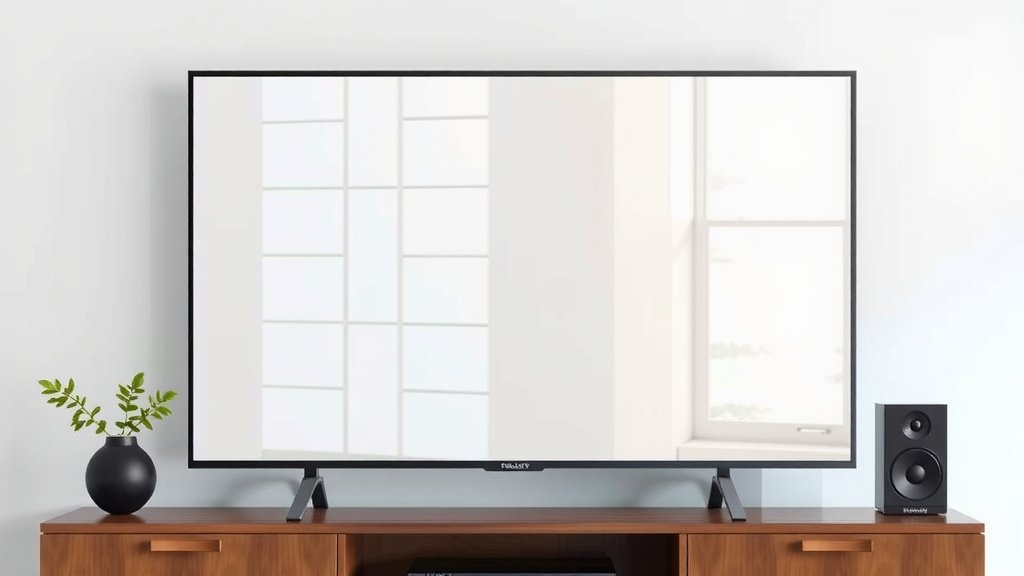
A matte TV screen is a type of display designed to reduce glare and reflections. Unlike glossy screens, which can act like mirrors, a matte finish diffuses light. This makes your viewing experience much better, especially in bright rooms. You’ll notice fewer distracting shiny spots on your screen.
This special coating is crucial for improving picture quality and eye comfort. It helps colors appear more vibrant and details sharper by preventing ambient light from washing out the image. Many people find matte screens a big improvement over glossy ones for everyday watching.
- Matte TV screens reduce glare and reflections.
- They use a special coating to diffuse light.
- This makes watching TV easier in bright rooms.
- Colors and details can look much clearer.
- It’s a great feature for a more comfortable viewing experience.
Let’s dive into what makes a matte screen so special and if it’s the right choice for your home.
Understanding Your TV Screen’s Finish: Matte vs. Glossy
You’re probably wondering what makes a matte TV screen different from the glossy ones you see everywhere. Think of it like the difference between a satin paint finish and a high-gloss enamel. A matte finish is designed to scatter light. This is a big deal for your viewing experience. It means fewer distractions on your screen.
How a Matte Finish Tackles Reflections
The secret lies in the screen’s surface texture. A matte screen has a slightly rougher, diffused finish. When light hits it, instead of bouncing straight back like a mirror, it scatters in many directions. This makes it much harder for reflections to form a clear, distracting image on your screen. It’s like looking at a frosted window versus a clear one.
The Science of Light Diffusion
This diffusion process is a physical property of the screen coating. Manufacturers apply a special layer. This layer creates tiny imperfections on the surface. These imperfections disrupt the path of light. Instead of a single, strong reflection, you get many weaker ones. This is why the glare is so much less noticeable.
Why This Matters in Bright Rooms
This anti-glare property is a lifesaver. Most living rooms have windows or lamps. These light sources create reflections on TV screens. A glossy screen will show these reflections quite clearly. You might see a perfect mirror image of your lamp. This can make it hard to see what’s happening on screen. A matte screen drastically reduces these issues. You can enjoy your shows even with lights on or during the day. It’s a huge win for daytime viewers.
The Advantages of a Matte TV Screen
Beyond just cutting down glare, matte screens offer several benefits. These can really enhance how you enjoy your favorite content. Let’s break down what makes them a popular choice for many households.
Improved Picture Clarity and Contrast
When light reflects off a glossy screen, it can wash out the picture. This reduces contrast and makes colors appear duller. A matte screen prevents this light bleed. The result is a **sharper, more vibrant image**. You can see finer details more easily. Blacks appear deeper, and whites look brighter.
A More Natural Viewing Experience
Research indicates that reducing ambient light interference improves perceived picture quality (Journal of Display Technology). Matte screens naturally reduce this interference. This leads to a viewing experience that feels more natural. You’re not fighting against screen glare. You can focus on the content itself. This is especially true for watching movies or sports where subtle details matter.
Reduced Eye Strain and Fatigue
Constantly battling reflections can be tiring for your eyes. Your brain tries to process both the on-screen image and the distracting reflections. This constant effort can lead to eye strain. Matte screens offer a more comfortable viewing environment. By minimizing these visual disruptions, your eyes can relax more. This makes longer viewing sessions much more pleasant. Many users report feeling less tired after watching TV on a matte screen.
Comfort for All Viewers
Children and older adults can particularly benefit. Their eyes might be more sensitive to glare. A matte screen provides a gentler experience. It’s about creating a viewing setup that’s comfortable for everyone in the family. This focus on comfort is a key selling point for many.
Matte vs. Glossy: A Direct Comparison
To help you decide, let’s put matte and glossy screens side-by-side. Each has its strengths and weaknesses. Knowing these will help you pick the right TV for your home.
| Feature | Matte Screen | Glossy Screen |
|---|---|---|
| Glare Reduction | Excellent; diffuses light. | Poor; acts like a mirror. |
| Picture Vibrancy | Good; true colors. | Excellent; deeper blacks and brighter whites (in dark rooms). |
| Best Environment | Bright rooms, daytime viewing. | Dark, controlled lighting rooms. |
| Eye Comfort | High; less strain. | Lower; can cause fatigue. |
| Scratch Resistance | Generally good. | Can show scratches more easily. |
Where Each Screen Type Shines (and Struggles)
If your TV room is naturally bright or you often watch TV during the day, a matte screen is likely your best bet. You won’t be constantly annoyed by window glare. On the other hand, if you have a dedicated home theater with blackout curtains, a glossy screen might offer slightly more striking contrast. However, even in dark rooms, some people find the reflections distracting.

Is a Matte Screen Right for Your Setup?
Considering a matte screen for your next TV purchase? Here are a few things to think about:
- Your Viewing Environment: How much ambient light is in the room?
- Viewing Habits: Do you watch TV mostly during the day or at night?
- Sensitivity to Glare: Do reflections bother you easily?
- Picture Quality Priorities: Is perfect black level in a dark room your main goal, or is clear viewing in varied light more important?
Making the Final Decision
For the average home, especially those without a dedicated dark room, a matte screen offers a more versatile and comfortable viewing experience. It strikes a great balance. You get good picture quality without the headache of constant glare. Many experts recommend matte finishes for general use (Consumer Reports).
A Simple Checklist for Choosing:
- Check how bright your room gets.
- Think about when you watch most often.
- Consider if you get headaches from glare.
- Do you prefer vibrant colors or perfect blacks?
- Will you use the TV in a controlled dark room?
Ultimately, the best screen finish is the one that makes your TV-watching experience the most enjoyable. For many people, that means saying goodbye to annoying reflections with a matte screen.
Conclusion
You’ve learned how a matte TV screen works to reduce glare. It uses a special coating to diffuse light, making your viewing much better. This means fewer distractions and a more comfortable experience, especially in bright rooms. While glossy screens can offer deep blacks in dark settings, matte screens provide a versatile solution for everyday viewing. Consider your room’s lighting and your viewing habits. If you want a TV that performs well without fighting reflections, a matte screen is likely the smart choice for your home. Take a moment to assess your room before you buy.
Frequently Asked Questions
Will a matte TV screen make my colors look dull?
Generally, no. While glossy screens can make colors pop more in a perfectly dark room, matte screens offer true-to-life colors without the interference of reflections. You’ll find they provide excellent vibrancy. This is because ambient light can wash out colors on glossy displays, but a matte finish prevents that.
Are matte screens better for gaming?
Yes, matte screens are often preferred for gaming. Gamers frequently play in rooms with ambient light. The reduced glare means you won’t see distracting reflections of lamps or windows over your game. This allows you to focus on the action on screen without interruption.
Do all “anti-glare” TVs have matte screens?
Not necessarily. While a matte finish is the most common and effective way to achieve anti-glare properties, some manufacturers might use other technologies. However, when you see a screen described as having an anti-glare coating or being matte, it’s usually referring to the same diffusion method that reduces reflections.
Can I make my glossy TV screen matte?
There are aftermarket anti-glare screen protectors that can give a glossy screen a matte-like finish. However, these can sometimes slightly reduce picture clarity or color vibrancy. They are a good option if you can’t get a new TV, but they may not perform as well as a built-in matte screen.
Is a matte screen more durable?
Matte screens are generally quite durable. The textured coating can help resist minor scratches and smudges better than a smooth, high-gloss surface. While not scratch-proof, you’ll likely find them to be a robust choice for regular use in a typical household environment.