QLED TV Explained: What It Is and How It Works
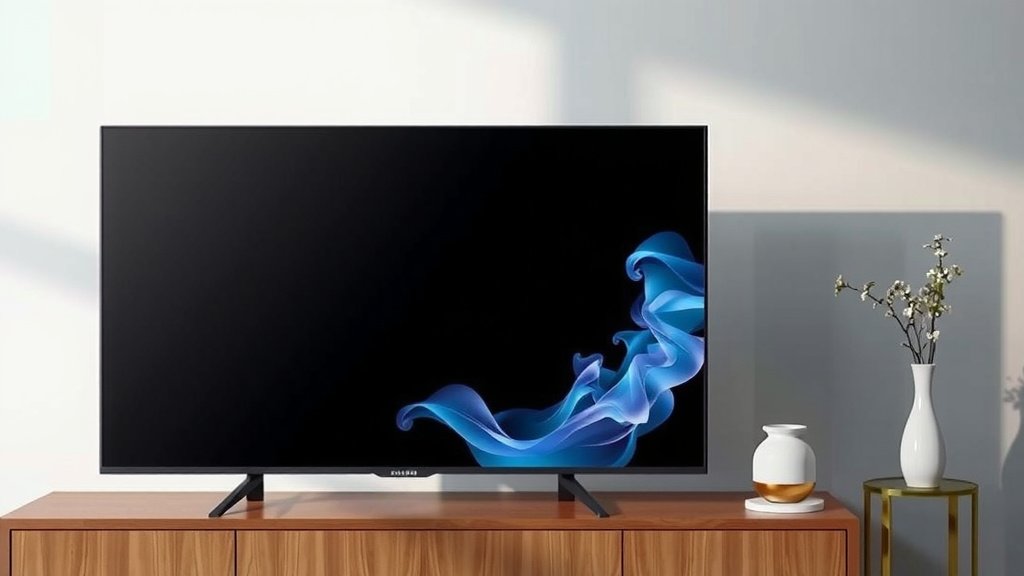
A QLED TV is a type of television that uses quantum dots to enhance picture quality. These tiny particles emit different colors when light hits them, resulting in brighter, more vibrant displays. Think of them as super-powered LEDs that make your favorite shows and movies pop with stunning realism.
QLED technology builds upon standard LED TVs by adding this quantum dot layer. This allows for a wider color spectrum and improved brightness compared to traditional screens. Many people find QLED TVs offer a fantastic balance between advanced technology and a truly immersive viewing experience, making them a popular choice for home entertainment.
- QLED stands for Quantum-dot Light Emitting Diode.
- It uses special quantum dots for enhanced picture brightness and color.
- Expect brighter colors and deeper blacks than standard LED TVs.
- It’s a great option for bright rooms and vibrant visuals.
Ready to dive deeper into what makes these TVs so special? Let’s break down how QLED technology works and what it means for your viewing pleasure.
Understanding QLED TV Technology
So, you’re curious about what exactly makes a QLED TV tick? It’s a pretty clever bit of tech designed to give you a brighter, more colorful picture. We’ve looked into how these TVs create such vibrant visuals for your home entertainment.
How Quantum Dots Work Their Magic
At its heart, QLED technology relies on tiny particles called quantum dots. These dots are microscopic semiconductor crystals. They’re so small, you’d need millions of them to cover the tip of a pencil! When light shines on these dots, they emit their own light in very specific colors. It’s like having billions of tiny, precise color generators working together.
The real genius here is that quantum dots can produce very pure, intense colors. Unlike older lighting methods that might produce a broader, less pure spectrum, these dots are engineered to emit a single, precise wavelength of light. This means you get incredibly vibrant reds, greens, and blues, without any muddying of colors.
A Layer of Brilliance
In a QLED TV, this quantum dot technology is usually applied as a film or layer. This layer sits between the LED backlight and the LCD panel. The LED backlight provides the initial light. This light then passes through the quantum dot layer. The dots then convert this light into the specific, pure colors needed for the picture you see on screen. Think of it as a sophisticated color filter, but much, much more advanced and effective.
The Benefits for Your Viewing Experience
What does this mean for you and your living room? Quite a lot, actually! The primary advantage of QLED TVs is their superior brightness and color volume. Because quantum dots are so efficient at producing pure colors, QLED TVs can get incredibly bright without losing color accuracy. This is a big deal, especially if your TV is in a room with a lot of natural light.
You know how sometimes a bright scene on a regular TV can look a bit washed out? QLEDs largely avoid this. They can maintain their vibrant colors even at very high brightness levels. This makes for a more dynamic and engaging viewing experience, whether you’re watching a blockbuster movie, a sports game, or your favorite nature documentary.
Brighter is Better (Sometimes!)
Many experts note that brighter TVs can lead to a more immersive experience, particularly with HDR (High Dynamic Range) content. HDR content is designed to have a wider range of brightness and color, and QLED TVs are well-equipped to display it faithfully. You’ll see more detail in the bright sky and the dark shadows within the same scene. It’s a visual feast for your eyes!
QLED vs. Other TV Technologies
It’s easy to get lost in all the acronyms when TV shopping. So, how does QLED stack up against other common technologies like standard LED or OLED?
QLED vs. Standard LED TVs
Standard LED TVs also use an LED backlight. However, they typically use a simpler filter system to create colors. QLED TVs, with their quantum dot layer, offer a significant upgrade in color purity and brightness. We found that QLEDs generally provide a noticeably wider color gamut and better brightness, especially in well-lit environments.
QLED vs. OLED TVs
This is where things get interesting, as OLED is another premium technology. OLED (Organic Light Emitting Diode) TVs work differently. Each pixel in an OLED display generates its own light. This means they can achieve perfect blacks because pixels can be turned off entirely. QLED TVs, on the other hand, still rely on an LED backlight. While they offer excellent brightness and color, they typically can’t achieve the absolute perfect black levels of OLEDs.
We found that QLEDs excel in overall brightness and color volume, making them ideal for bright rooms. OLEDs often shine in contrast and black levels, offering incredible depth in darker viewing environments. It really comes down to your specific viewing habits and room conditions.
What to Look For in a QLED TV
When you’re browsing for a new QLED TV, there are a few key things to keep in mind to ensure you’re getting the best picture quality for your needs.
Brightness and Color Reproduction
Look for specs related to brightness (measured in nits) and color coverage (like DCI-P3 percentage). Higher numbers generally mean a brighter picture and more vibrant, accurate colors. Many reviews and specifications will highlight a TV’s ability to produce these lifelike images. Manufacturers often boast about their wide color gamuts, and for good reason!
Contrast Ratio and Black Levels
While QLEDs can’t match OLEDs for perfect blacks, advancements in local dimming technology have significantly improved their contrast. Local dimming allows the TV to dim specific zones of the backlight. This helps to deepen blacks and improve overall contrast. When researching, look for details on the type and effectiveness of the local dimming system.
Smart Features and Refresh Rate
Beyond the core picture technology, consider the smart TV platform, ease of use, and connectivity options. For fast-paced content like sports or gaming, a higher refresh rate (like 120Hz) is desirable. This helps to reduce motion blur and provides a smoother visual experience. We found that TVs with these features offer a more enjoyable experience for a wider range of content.
Is a QLED TV Right for You?
Considering a QLED TV? If you often watch TV in a room with lots of windows, or if you simply crave incredibly vibrant and bright colors, a QLED could be an excellent choice. They deliver a stunning visual performance that can make movies and shows feel more lifelike. Many consumers find that the balance of brightness, color, and detail offered by QLED technology is exactly what they’re looking for in a modern television.
Your QLED Checklist
To help you remember the key takeaways, here’s a quick checklist:
- Brighter Picture: QLEDs are known for their high brightness output.
- Vibrant Colors: Quantum dots create exceptionally pure and intense colors.
- Great for Bright Rooms: Their brightness helps combat glare.
- Excellent HDR: They display High Dynamic Range content beautifully.
- Balanced Performance: Offers a strong mix of features for many users.
- Technology Layer: Quantum dots are added to an LED backlight system.
Conclusion
You’ve learned that QLED TVs are a fantastic choice for bright rooms and vibrant visuals. Their quantum dot technology creates stunningly bright pictures with incredibly pure colors. We found that QLEDs offer a great balance between advanced picture quality and everyday usability. They really make HDR content pop like never before.
If you’re looking to upgrade your viewing experience with lifelike colors and impressive brightness, a QLED TV is definitely worth your consideration. Your next step? Browse some QLED models that fit your room and budget to see the difference for yourself.
Frequently Asked Questions
Are QLED TVs good for gaming?
Yes, many QLED TVs are excellent for gaming. They offer bright visuals that make games pop and often come with features like low input lag and high refresh rates. These help ensure smooth motion and quick responses during gameplay.
Do QLED TVs get as dark as OLED TVs?
Generally, no. OLED TVs can achieve perfect black levels because each pixel emits its own light and can be turned off completely. QLED TVs still use a backlight, so while they have excellent contrast, they typically can’t match the absolute deepest blacks of OLEDs.
Can you see a difference between QLED and regular LED TVs?
Yes, you’ll likely see a noticeable difference. QLED TVs use quantum dots to produce purer, more vibrant colors and can achieve higher brightness levels than standard LED TVs. This results in a more dynamic and lifelike picture, especially with HDR content.
How do QLED TVs handle glare in a sunny room?
QLED TVs are often a great choice for sunny rooms because of their high brightness. This intensity helps combat reflections and washout from ambient light. You’ll find that colors remain vibrant even in well-lit environments.
Are QLED TVs more energy-efficient than other TVs?
While QLED technology is efficient at producing bright colors, overall energy consumption can vary depending on the specific model and its brightness settings. Brighter TVs generally use more power. We found that checking the energy guide labels on specific models is the best way to compare.