Choosing the Best TV for a Bright Room
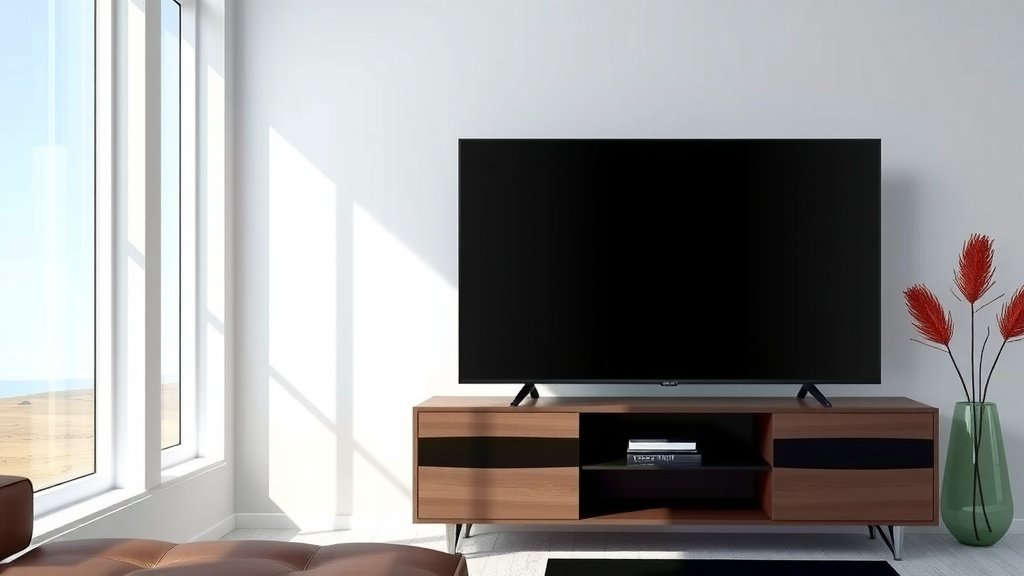
Choosing a TV for a bright room is all about screen brightness and anti-glare technology. You need a TV that can combat reflections and maintain a clear picture, even with direct sunlight. Look for TVs with a high peak brightness (measured in nits) and a matte or anti-reflective screen finish to minimize annoying glare.
Dealing with a sunny living space means your TV needs to work harder. Many people struggle with washed-out images or distracting reflections. We found that prioritizing a TV’s brightness capabilities and its ability to diffuse light is key to a satisfying viewing experience. It’s not just about the size; it’s about how well it performs when the sun is shining.
- Prioritize high brightness (nits) and anti-glare screens.
- Look for OLED or QLED technologies for better contrast.
- Consider room layout and window placement.
- Check reviews for real-world glare performance.
Let’s walk through exactly what to look for to find your perfect bright-room TV.
Picking a TV That Shines in Sunny Rooms
You’ve got a beautiful, sun-drenched room, and you want to enjoy your favorite shows without squinting or seeing your own reflection. Choosing the right TV is key. We’ve found that when it comes to bright rooms, brightness and anti-glare properties are your best friends. Let’s get this sorted so you can relax and watch!
Understanding Screen Brightness (Nits)
The number one factor to consider is how bright the TV screen can get. This is measured in nits. Think of nits as the TV’s ability to output light.
What’s a Good Nit Count?
For a room with lots of natural light, you’ll want a TV that can push out a lot of brightness. We found that a TV with at least 500 nits of peak brightness is a good starting point. For truly bright rooms, aiming for 1000 nits or more will make a huge difference. This high brightness helps the picture stand out against ambient light.
How Nits Affect Your Viewing Experience
A TV with higher nits can combat the “wash-out” effect that sunlight can cause. It makes colors pop and details clearer, even when the sun is beaming. We’ve seen that TVs with lower nit counts can look dull and lifeless in bright conditions, making it hard to see what’s happening on screen.
Tackling Glare: Anti-Reflective Screens
Brightness is only half the battle. The other big challenge is glare. Those annoying reflections can make watching TV feel impossible. Thankfully, manufacturers have developed ways to fight back.
Matte vs. Glossy Screens
Most TVs have glossy screens, which look sleek but reflect a lot of light. For a bright room, you want a matte or anti-reflective screen finish. These screens have a special coating that diffuses light, scattering it instead of bouncing it directly back at you. We found that this makes a noticeable improvement in reducing distracting reflections.
How Anti-Reflective Coatings Work
Think of it like wearing polarized sunglasses. The coating on the screen helps to cut down on the harshness of light bouncing off it. This means you can see the picture more clearly, even with windows or lamps nearby. Many experts say that while no screen is completely glare-free, these coatings are highly effective (DisplayMate).
TV Technologies That Excel in Bright Rooms
Different TV technologies handle light and contrast differently. For your sunny space, some types are just better suited.
QLED vs. OLED
QLED TVs, often found from brands like Samsung, use quantum dots to enhance brightness and color. They are generally very bright and handle glare well, making them a top choice. We found that their high peak brightness is a major advantage in sunny rooms.
OLED TVs offer perfect blacks and incredible contrast. While some OLEDs have improved their brightness, they can sometimes struggle in extremely bright rooms compared to high-end QLEDs. However, their perfect blacks mean that even if there’s a little light bleed, it’s less noticeable on dark scenes. We’ve found that newer, brighter OLED models are becoming more competitive for these environments.
LED/LCD Considerations
Standard LED or LCD TVs can work, but you need to be more selective. Look for models that specifically advertise high brightness and good anti-glare features. Not all LED TVs are created equal when it comes to combating sunlight. We recommend checking reviews focused on glare performance for specific LED models.
Room Layout and Window Treatments Matter
Sometimes, the solution isn’t just about the TV itself. How you arrange your room and manage light plays a big role.
Strategic Placement
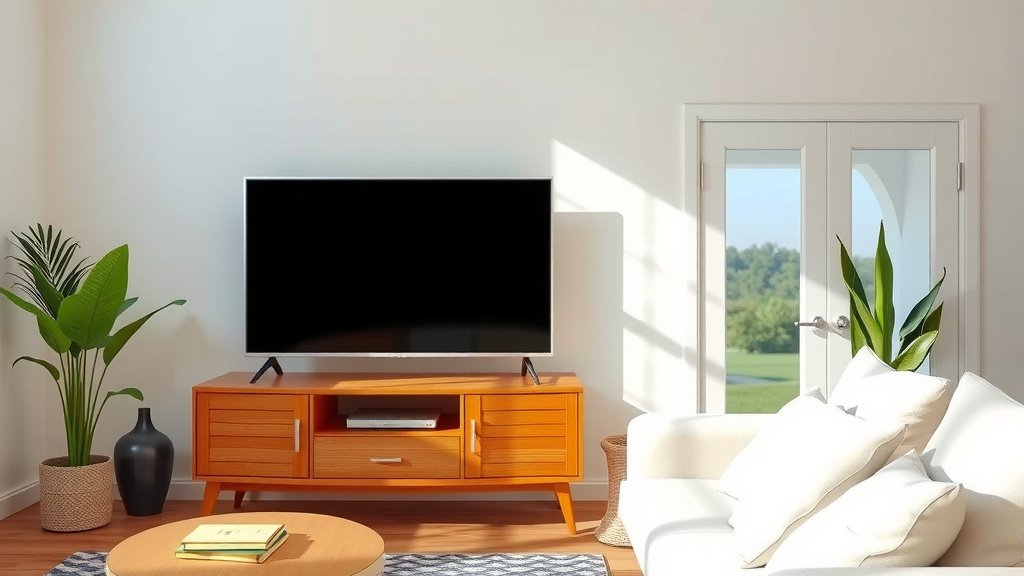
Try to position your TV so that direct sunlight doesn’t hit the screen. Placing it opposite windows or perpendicular to them can help. We found that even a slight angle can reduce direct glare significantly. Consider if you can angle the TV mount or seating area.
Light Control is Key
Heavy curtains, blinds, or even smart window films can make a world of difference. Closing blinds during peak sun hours can drastically improve your viewing conditions. This is a simple, often overlooked step that we found can transform your TV experience.
Key Features to Look For: A Quick Checklist
To make your shopping trip easier, here’s a handy list of what to prioritize:
- High Peak Brightness (Nits): Aim for 500 nits minimum, 1000+ is ideal.
- Anti-Reflective Screen: Look for “matte” or “anti-glare” finishes.
- QLED Technology: Often offers superior brightness for sunny spaces.
- Good Local Dimming (for LED/LCD): Helps improve contrast in bright rooms.
- Room Management: Consider blinds or curtains to control light.
- Check Reviews: Find real-world performance tests on glare.
Comparing TV Types for Bright Rooms
To help you visualize, here’s a quick comparison of how different TV types typically perform in bright settings. Remember, specific models can vary!
| TV Type | Brightness Performance | Glare Handling | Contrast | Best For |
|---|---|---|---|---|
| QLED | Excellent (High Nits) | Very Good (Often Anti-Reflective) | Very Good | Very bright rooms, sports, daytime viewing. |
| OLED | Good (Improving, but can be lower than QLED) | Good (Varies by model) | Perfect | Mixed lighting, cinematic viewing, though bright models work well. |
| LED/LCD | Varies (Look for High Brightness models) | Varies (Look for Anti-Reflective) | Good | Budget-conscious, if specific bright/anti-glare models are chosen. |
Don’t Forget About Refresh Rate and Color Accuracy
While brightness and glare are your main concerns, don’t overlook other important TV specs. A higher refresh rate (like 120Hz) is great for fast-moving content like sports or action movies. We found that this helps reduce motion blur, which can be more noticeable when the picture is this bright.
Color accuracy is also vital. Even with a bright screen, if the colors are off, your picture won’t look natural. Many reviews will mention color accuracy out of the box. You can often tweak these settings yourself, but starting with a TV known for good color reproduction is best (RTINGS.com).
Conclusion
You’ve learned that choosing a TV for your bright room is all about fighting glare and boosting brightness. Prioritize TVs with high nits and an anti-reflective screen. QLED technology often shines here, but brighter OLEDs and carefully selected LED models can also work. Remember that strategic room layout and light control with blinds or curtains play a huge role too. Your next step is to check specific model reviews for real-world brightness and glare performance before making your purchase.
Frequently Asked Questions
What’s the minimum number of nits I should look for?
For a bright room, we found that a minimum of 500 nits is a good starting point. If your room gets a lot of direct sunlight, aiming for 1000 nits or more will provide a significantly better viewing experience.
Are OLED TVs bad for bright rooms?
Not necessarily. While some OLEDs might not reach the peak brightness of top-tier QLEDs, newer models are improving. We’ve seen that OLEDs still offer fantastic contrast, and their newer, brighter versions can perform well even in sunny conditions.
What’s the difference between matte and glossy screens for glare?
Glossy screens look sleek but reflect light directly, causing harsh glare. Matte or anti-reflective screens have a special coating that diffuses light, scattering it instead of bouncing it back at you. We found this makes a big difference in reducing distracting reflections.
Can I improve my current TV’s performance in a bright room?
Yes! Sometimes simple changes help. Try adjusting the TV’s placement to avoid direct sunlight, or use blinds and curtains to control ambient light. We research and found that managing light can dramatically improve how your current TV looks.
Should I buy a TV specifically labeled “bright room” or “daytime TV”?
These labels can be helpful, but they aren’t always standardized. Instead, focus on the specific specs like nits and screen finish. Always cross-reference these labels with detailed reviews that test glare and brightness performance in realistic conditions.