Is a Curved TV Worth It? Your 2026 Buyer’s Guide
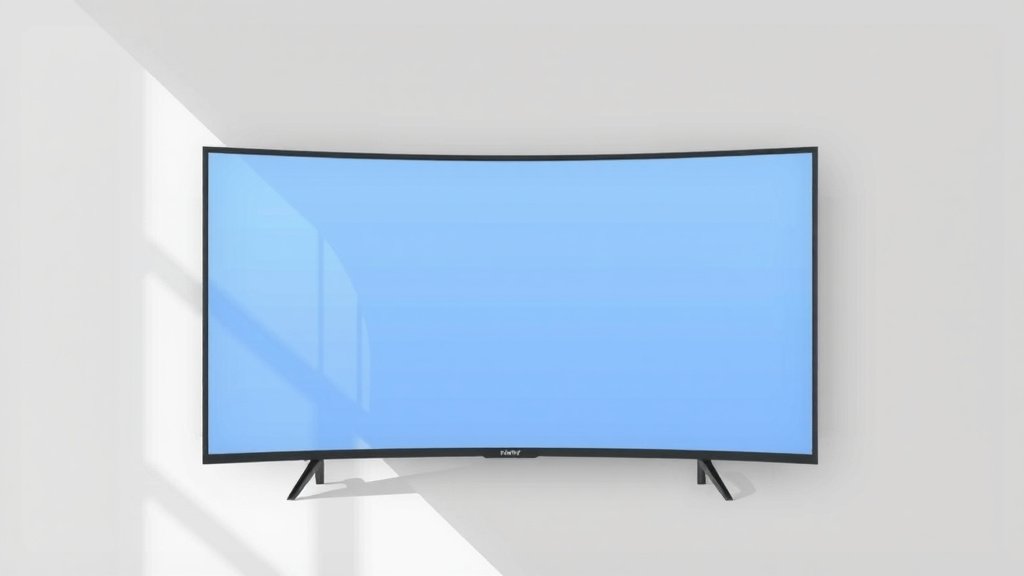
So, you’re wondering if a curved TV is worth it for your home theater setup. Many consumers find that curved TVs offer a more immersive viewing experience, especially for larger screen sizes. While they might cost a bit more, the enhanced visual depth can make a noticeable difference.
The appeal of a curved screen lies in its ability to draw you into the picture. It can help reduce glare and improve viewing angles for viewers positioned directly in front of the screen. However, if you often watch with a large group spread out, a flat screen might be a better choice for everyone.
- Curved TVs can offer a more immersive viewing experience.
- They may help reduce glare A matte TV screen can help reduce glare, which is a benefit for any TV setup. and improve focus.
- Best suited for viewers sitting directly in front of the screen.
- Consider your room size and typical viewing setup.
Let’s dive into what makes a curved TV unique and whether it’s the right upgrade for your living room.
Are Curved TVs Worth Your Investment?
Deciding if a curved TV is the right choice for your home can feel like a big decision. We understand you want the best viewing experience without breaking the bank. Let’s break down what makes these TVs special and if they truly deliver on their promise.
The Science Behind the Curve: How It Works
Have you ever felt like a flat screen just doesn’t quite pull you into the action? A curved TV aims to fix that. The slight inward curve is designed to mimic the natural way your eyes see the world.
Visual Immersion and Depth
The curve essentially brings the edges of the screen closer to you. This creates a sense of greater depth. It can make you feel more surrounded by the picture, almost as if you’re inside the scene itself. Many find this effect particularly noticeable on larger screen sizes, where the flat surface might otherwise seem too distant.
Enhanced Viewing Angles (When Seated Centered)
When you sit directly in front of a curved TV, the screen’s arc aligns better with your peripheral vision. This means more of the screen is directed towards your eyes. Research indicates that this can lead to a more consistent brightness and color experience across the entire display for a single viewer (Rtings.com).
Glare Reduction and Focus
A flat screen can catch reflections from windows or lights from various angles. The inward curve of a curved TV helps to direct these reflections away from your eyes. This means less distracting glare and potentially a clearer picture, especially in rooms with less-than-ideal lighting conditions.
Potential Downsides to Consider
While curved TVs offer some appealing benefits, they aren’t perfect for every situation. It’s important to weigh these against the advantages.
Viewing Angles for Multiple Viewers
This is a big one. If you regularly host movie nights with a crowd, a curved TV might not be the best choice for everyone. People sitting off to the sides may experience distorted images or a less immersive view. The curve is optimized for one or two people centered in front of the screen.
Room Size and Wall Mounting
Curved TVs can take up more space due to their shape. If you plan to wall-mount your TV, a curved model might protrude more from the wall than a flat one. Also, the immersive effect is most pronounced when you’re seated at an optimal distance, which is usually closer than with a similarly sized flat screen. If your room is very small, a very large curved TV might feel overwhelming.
Potential for Geometric Distortion
In some rare cases, viewers might notice slight geometric distortion, especially with straight lines in content. Think of looking through a wide-angle lens; sometimes straight lines can appear a bit bowed. Most modern TVs have technology to minimize this, but it’s something to be aware of.
Curved vs. Flat TV: A Quick Comparison
Let’s put the two side-by-side to help you visualize the differences. Think of it like looking at a panorama versus a postcard.
| Feature | Curved TV | Flat TV |
|---|---|---|
| Immersion | High, especially for single viewers | Moderate |
| Glare Reduction | Generally better for centered viewers | Varies by anti-glare coating |
| Viewing Angles (Off-Center) | Can be compromised | Generally wider and more consistent |
| Wall Mounting | May stick out more | Flush mount is common |
| Best For | Home theaters, single viewers, larger screens | Living rooms, group viewing, varied lighting |

Who Benefits Most from a Curved TV?
If you’re nodding along to these points, a curved TV might be your perfect match. We found that certain types of users get the most bang for their buck.
The Solo Movie Buff
If your ideal night involves curling up alone or with a partner to watch films, the immersive quality of a curved screen can be a game-changer. It truly pulls you into the narrative.
The Gaming Enthusiast
Gamers often appreciate the sense of depth and immersion that a curved display provides. It can make fast-paced games feel even more engaging.
Those with Dedicated Viewing Rooms
If you have a dedicated home theater or a room where you can control the lighting and seating arrangement, a curved TV can shine. It allows you to optimize the viewing experience for that specific space.
Making Your Final Decision: A Checklist
To help you decide, consider these points before you commit. This should give you a clear picture of what’s best for your home.
- Measure your viewing distance. Is it optimal for a curve?
- Assess your typical viewer count. Do you watch alone or with many others?
- Consider your room’s lighting. How much glare do you deal with now?
- Think about wall mounting. How much space do you have?
- Compare prices. Are curved models significantly more expensive for the size you want?
- Read reviews for specific models. Every TV is different!
Ultimately, whether a curved TV is worth it depends on your personal preferences and viewing habits. For many, the enhanced immersion is a significant upgrade. For others, the flexibility of a flat screen might be more practical.
Conclusion
So, is a curved TV worth it for your home? We found that for many, the answer can be a resounding yes, especially if you prioritize immersive viewing. Curved screens offer a unique depth and can reduce distracting glare for those seated directly in front. Consider if your viewing habits align with these benefits – think solo movie nights or gaming sessions. If you often watch with a large group spread out or plan to mount your TV very flush, a flat screen might still be your best bet. Ultimately, weigh the enhanced immersion against your room setup and typical audience to make the right choice for your space.
Frequently Asked Questions
Do curved TVs look weird in a room?
Some people find the curved shape adds a sleek, modern look to their entertainment setup. Others prefer the more traditional, unobtrusive profile of a flat screen. It really comes down to your personal aesthetic and how the TV fits with your existing decor. The curve is designed to be subtle but can be more noticeable than a flat panel.
Can I use a curved TV for regular cable or news?
Yes, you can absolutely watch regular cable, news, or any other content on a curved TV. While the immersive effect is often highlighted for movies or games, it doesn’t negatively impact standard programming. You’ll still get good picture quality. You might just not notice the “wrap-around” effect as much with less dynamic content.
Are curved TVs harder to clean than flat ones?
Cleaning a curved TV is very similar to cleaning a flat screen. You’ll want to use a soft, dry microfiber cloth to wipe away dust. For tougher smudges, a slightly damp cloth with water or a screen-safe cleaner works well. You just need to be mindful of the screen’s shape when cleaning the edges.
What is the ideal viewing distance for a curved TV?
The ideal viewing distance for a curved TV is generally a bit closer than for a flat screen of the same size. This allows the curve to better engage your peripheral vision. For larger screens, like 65 inches and up, a distance of around 5-8 feet often provides the best immersive experience. Check the manufacturer’s recommendations for your specific model.
Will a curved TV look bad if I’m not sitting directly in front?
If you’re sitting significantly off to the side, you might notice some image distortion or a less uniform picture compared to sitting center. The further off-angle you are, the more pronounced this can be. For this reason, curved TVs are best suited for smaller groups or individuals who can sit in the “sweet spot” directly facing the screen.