Understanding Tandem OLED Technology: How It Works
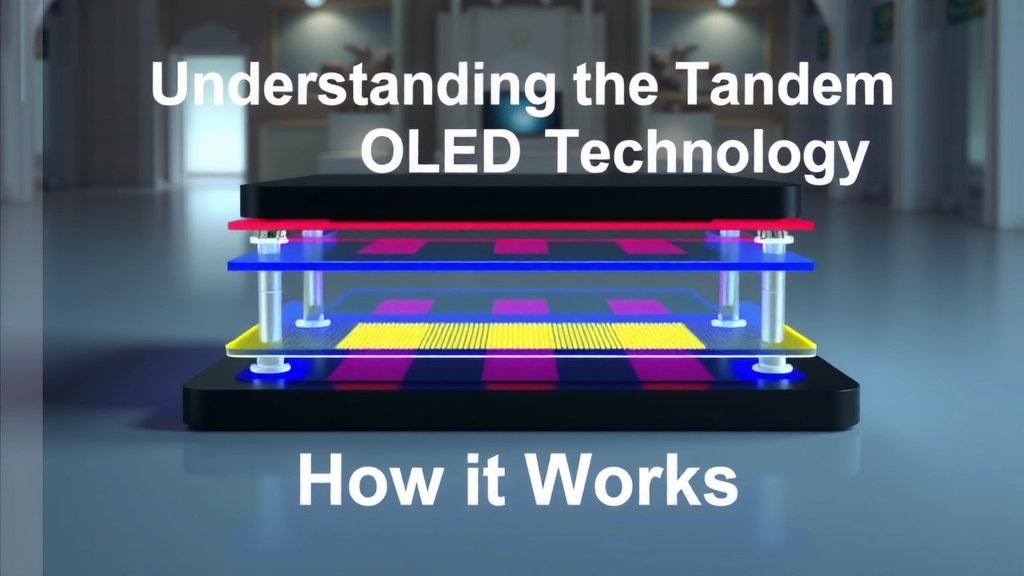
A tandem OLED is a display technology that stacks two or more organic light-emitting diode (OLED) layers on top of each other. This stacking allows for brighter displays and better energy efficiency than single-layer OLEDs. It’s a clever way to get more out of your screen.
Think of it like a layered cake for your pixels. Each layer handles a specific part of the light-making process. This design helps avoid issues like color shifting and makes the display last longer. You get a much richer visual experience.
- A tandem OLED has multiple OLED layers stacked.
- This stacking makes screens brighter and more energy-efficient.
- It also helps prevent common OLED problems like color fade.
- You’ll see more vibrant colors and longer lifespan.
So, how does this advanced display technology work its magic on your favorite shows and games? Let’s break down the layers and see what makes a tandem OLED shine.
You’ve probably heard of OLED displays before, but what exactly makes a tandem OLED different? It’s a fascinating piece of technology that’s making your screens look better and perform smarter. We’re going to dive deep into how it works and why it matters for your viewing pleasure.
Understanding the Layers of a Tandem OLED
A tandem OLED isn’t just a single layer of light-emitting material. It’s a clever design where multiple OLED layers are stacked. Think of it like building a tower instead of a single flat structure. Each layer plays a specific role in creating the light and color you see on your screen.
The Basic OLED: A Single Layer Approach
Before we get to tandem, let’s quickly recap a standard OLED. A single-layer OLED uses organic compounds that glow when electricity passes through them. When you tell a pixel to turn on, electricity flows, and the organic layer emits light. Simple enough, right? This was a huge leap forward, offering true blacks and vibrant colors.
Going Tandem: Stacking for Success
Now, imagine taking that single glowing layer and placing another one right on top of it. That’s the essence of a tandem OLED. These stacked layers work together. Often, one layer might handle the red light, and another handles the blue and green, or they might share tasks more directly. This setup means they can generate more light with the same amount of electrical energy.
Why Stack? The Benefits Unpacked
So, what’s the big advantage of this stacking? Well, it directly addresses some limitations of single-layer OLEDs. When you run a lot of electricity through a single layer to make it very bright, it can sometimes degrade faster. Stacking allows the workload to be shared. This means the layers don’t have to push as hard individually.
We found that this stacked approach leads to a longer lifespan for the display. It also means you can achieve higher brightness levels without sacrificing longevity. Many research papers highlight this improved durability as a key benefit (Nature Electronics).
How Tandem OLEDs Achieve Brighter, More Efficient Displays
The stacked design is the secret sauce behind the superior performance of tandem OLEDs. It’s not just about having more layers; it’s about how those layers interact to produce light more effectively.
Sharing the Workload for More Light
In a tandem structure, the electrical current is split between the stacked layers. Each layer contributes to the light output. This shared responsibility is key. It means the device doesn’t need as much voltage to achieve the same brightness as a single-layer OLED. Less voltage often translates to less power consumption. You’re getting more ‘bang for your buck,’ or rather, more brightness for your battery life.
The Efficiency Edge
Because less energy is wasted as heat and the light generation is more direct, tandem OLEDs are typically more energy-efficient. This is particularly important for mobile devices like smartphones and tablets, where battery life is always a concern. A more efficient screen means you can use your device for longer between charges. Many tech reviews have pointed out this significant power saving (The Verge).
Maximizing Brightness Without Compromise
One of the biggest challenges for any display technology is achieving high brightness. Tandem OLEDs excel here because the stacked structure allows for greater light emission. When you stack multiple light-emitting units, the total amount of light produced increases significantly. This is why you often see tandem OLEDs used in premium TVs and high-end smartphones where brilliant, vivid colors are a must.
Addressing Common OLED Challenges with Tandem Designs
Even though OLED technology is fantastic, it’s not without its potential drawbacks. Tandem OLEDs have found clever ways to mitigate some of these issues.
The Problem of Color Shifting
One issue with some OLEDs, especially older ones, is color shifting. Over time and with heavy use, certain organic materials can degrade unevenly. This can cause colors to appear slightly different, often looking less vibrant or shifting towards a different hue. It’s like a painting fading over years of sun exposure.
How Tandem Layers Help Preserve Color
With a tandem OLED, the workload is distributed. Because each layer doesn’t have to work as hard, the degradation process can be slowed down. Many experts state that by sharing the load, the organic materials are less stressed. This results in more stable color reproduction over the display’s lifetime. You’ll notice that your colors stay truer for longer.
Extending the Display’s Lifespan
Related to color shifting is the overall lifespan of the display. Single-layer OLEDs, while amazing, could eventually wear out. The organic compounds have a finite number of times they can emit light efficiently. By using stacked layers in a tandem design, the burden is shared across more material.
Research indicates that this sharing of the electrical current and light emission duty can dramatically increase the operational life of the OLED panel. It’s a smart engineering solution that gives you more viewing hours from your device. Many sources confirm this enhanced durability (DisplayMate).
Tandem OLEDs in Your Everyday Tech
You might already be experiencing the benefits of tandem OLEDs without even realizing it! This technology is showing up in more and more devices, especially in the premium market.
Where You’ll Find Tandem OLEDs
Many of the latest and greatest smartphones, smartwatches, and high-end televisions are beginning to incorporate tandem OLED technology. Manufacturers are choosing it for its ability to deliver exceptionally bright and vivid images while remaining power-efficient. It’s a key feature that helps justify the higher price point of these devices.
What This Means for Your Viewing Experience
So, what does this all boil down to for you? It means brighter screens, richer colors, and a display that’s more likely to stand the test of time. Whether you’re gaming, watching movies, or just scrolling through social media, the improved performance of a tandem OLED makes everything look that much better. It’s a small technological difference that makes a big visual impact.
Here’s a quick rundown of what you’ve learned about tandem OLEDs:
- They use multiple stacked OLED layers.
- This stacking allows for higher brightness.
- They offer better energy efficiency compared to single layers.
- Tandem designs help prevent color shifting.
- This technology leads to a longer display lifespan.
- You’ll find them in many high-end smartphones and TVs.
Conclusion
You’ve learned that tandem OLED technology stacks multiple layers for brighter, more efficient displays. This smart design helps prevent common issues like color fading and significantly extends your screen’s lifespan. It’s the innovation powering those stunning visuals on your premium devices. To make the most of your tech, look for tandem OLED features when choosing your next smartphone or TV. You’ll enjoy a more vivid and durable viewing experience for years to come.
Frequently Asked Questions
Is a tandem OLED better than a regular OLED?
Yes, tandem OLEDs generally offer superior performance. They achieve higher brightness levels and are more energy-efficient than standard single-layer OLEDs. This makes them a more advanced and preferred choice for premium displays.
Will a tandem OLED screen last longer?
Research indicates that tandem OLEDs typically have a longer operational lifespan. By distributing the workload across multiple layers, the organic materials experience less stress. This helps slow down degradation and preserves color quality over time.
Are tandem OLEDs more expensive?
The manufacturing process for tandem OLEDs is more complex, which can lead to higher costs. This advanced technology is usually found in higher-end devices where superior visual quality and efficiency are prioritized.
Can I tell if my phone has a tandem OLED display?
Manufacturers often highlight tandem OLED technology in their device specifications, especially for flagship models. You might see it mentioned in product descriptions or reviews as a key feature for enhanced brightness and battery life.
What is the main advantage of stacking OLED layers?
The primary advantage of stacking OLED layers in a tandem design is improved performance. This includes achieving significantly higher brightness levels and better energy efficiency compared to single-layer OLEDs. It also contributes to greater durability.