Your Guide to RV TVs: What They Are & How They Work
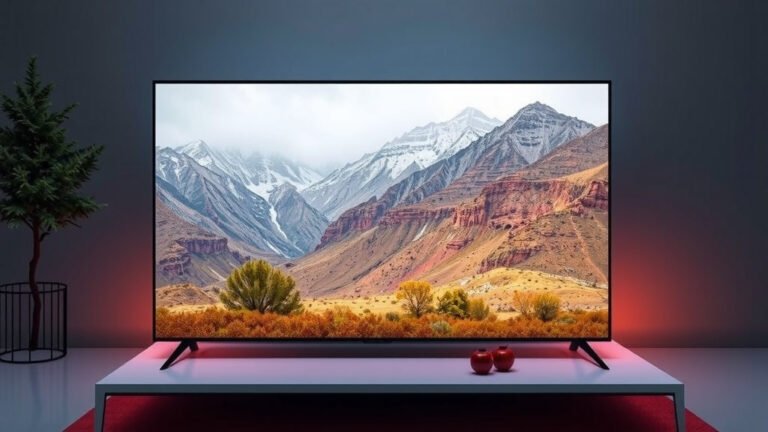
An RV TV is a specialized television designed to withstand the rigors of travel and operate effectively within the unique environment of a recreational vehicle. These TVs are built with features like vibration resistance and wide voltage ranges, making them ideal for life on the road.
Unlike home televisions, RV TVs are engineered for durability. They often come with wider viewing angles so everyone can see the screen, no matter where they’re sitting. Many are also designed to work with both AC and DC power sources, providing flexibility when you’re parked off the grid.
- RV TVs are built tough for travel.
- They resist vibration and work with different power sources.
- Enjoy wide viewing angles for the whole family.
- They’re a great upgrade for your mobile entertainment.
Let’s break down what makes an RV TV different and why it might be the perfect fit for your adventures.
So, you’re curious about RV TVs and what makes them different from the TV in your living room, right? It’s a fair question! Your recreational vehicle is basically a rolling home, and it needs electronics that can handle the journey. That’s where an RV TV comes in.
Understanding the Unique Needs of an RV Television
An RV TV is essentially a television built specifically for the mobile environment of a recreational vehicle. Think of it as a TV that’s been toughened up and made more adaptable. It’s designed to handle the bumps and shakes of travel. It also needs to work with different power situations you’ll encounter on the road.
Built for the Bumps: Vibration Resistance
One of the biggest differences is how they’re constructed. RVs experience a lot more jostling than a stationary house. That’s why RV TVs are built with internal components that are secured. This helps prevent damage from constant vibrations. You won’t find loose parts rattling around inside. We found that this robust construction is key to their longevity on the road.
Powering Up Anywhere: AC and DC Compatibility
Power is a big consideration for RVers. You’ll often be plugged into shore power at a campground (AC). But you might also be boon-docking or dry camping, relying on your RV’s battery system (DC). RV TVs are commonly designed to run on both. This flexibility is a major advantage. You can watch your favorite shows whether you’re connected to the grid or off it. Many units can handle a wide voltage range, typically from 12V DC up to 110V AC. This makes them incredibly versatile.
Clear Views for Everyone: Wide Viewing Angles
When you’re in an RV, seating arrangements can be a bit cozy. You might have people watching from the dinette, the sofa, or even the driver’s seat. Standard TVs can look washed out or distorted when viewed from an angle. RV TVs often feature wider viewing angles. This means the picture stays clear and vibrant, no matter where you’re sitting. It ensures everyone gets a good view of the screen without everyone having to huddle in one spot.
Key Features That Set RV TVs Apart
Beyond the core durability and power features, RV TVs come with other thoughtful additions. These are designed to enhance your mobile entertainment experience. They consider the unique challenges and conveniences of RV living.
Durability Beyond the Norm
We found that manufacturers emphasize the shock and vibration resistance. This isn’t just a minor tweak; it’s a fundamental part of the design. Screens are often made with tempered glass to resist cracking. Internal circuitry is hardened to withstand movement. Think of it like this: your home TV is meant to sit still. An RV TV is ready for a road trip, even when it’s on!
Optimized for RV Electrical Systems
RV electrical systems can be a bit different from home systems. They might have voltage fluctuations. Many RV TVs are engineered to handle these variations gracefully. They often have built-in surge protection. This safeguards the TV from unexpected power spikes. This is a smart feature that can save you from costly repairs. Many guidelines suggest checking your RV’s power output before purchasing any new electronics (RVIA).
Compact and Lightweight Designs
Space is always at a premium in an RV. RV TVs are often designed to be more compact and lighter than their residential counterparts. This makes them easier to install and mount. Plus, they take up less valuable space. Many come with VESA mounting patterns, so you can easily attach them to RV-specific wall mounts. This helps secure them during travel and allows for flexible positioning.
Built-in Entertainment and Connectivity
Modern RV TVs come packed with features. You’ll find smart TV capabilities on many models. This means you can connect to Wi-Fi and stream your favorite shows from apps like Netflix or Hulu. They also typically include multiple HDMI ports for connecting gaming consoles, Blu-ray players, or other devices. Some even have built-in DVD players, which can be a nice convenience.
Choosing the Right RV TV for Your Needs
When you’re looking to upgrade your RV’s entertainment, picking the right TV is important. Consider these points:
- Screen Size: Measure your available space. Don’t buy a TV that’s too big to fit or too small to enjoy.
- Resolution: Most modern RV TVs offer HD or 4K resolution for a crisp picture.
- Power Consumption: If you’re running on batteries often, look for models with lower power draw.
- Features: Do you need smart TV functions? How many HDMI ports do you require?
- Mounting: Ensure the TV has VESA compatibility if you plan to wall-mount it.
A quick checklist to keep in mind:
- Is it vibration-resistant?
- Does it support both AC and DC power?
- Does it have wide viewing angles?
- Is the size appropriate for your RV?
- Does it have the connectivity you need?
By understanding these specific features, you can find an RV TV that not only entertains but also stands up to the demands of your adventurous lifestyle. It’s about bringing a little bit of home comfort to your travels, built tough.
Conclusion
You’ve learned that an RV TV is much more than just a television; it’s a travel companion built for your adventures. Its specialized design means it can handle the bumps, power fluctuations, and viewing needs unique to RV life. Upgrading to an RV-specific model ensures you’re not just bringing entertainment along, but bringing durability and reliability. Ready to enhance your mobile living experience? Take measurements of your current space and start browsing RV TV models that fit your needs.
Frequently Asked Questions
Can I just use a regular TV in my RV?
While you technically can, it’s generally not recommended for long-term use. Regular TVs aren’t built to withstand the constant vibrations of travel, which can damage internal components over time. You might also run into issues with power fluctuations common in RVs.
What’s the main difference in power for RV TVs?
The key difference is their ability to run on both AC (shore power) and DC (battery power). This flexibility allows you to watch TV when plugged into an electrical pedestal at a campground, or when you’re dry camping and relying on your RV’s batteries.
Are RV TVs more durable than regular TVs?
Yes, they are significantly more durable. Manufacturers build RV TVs with robust internal components and often use tempered glass screens to resist damage from shaking and movement that occurs while you’re driving or parked on uneven terrain.
Do RV TVs have built-in Wi-Fi or smart features?
Many modern RV TVs come equipped with smart capabilities, similar to residential smart TVs. This means you can connect to your RV’s Wi-Fi to stream content from popular apps like Netflix, Hulu, or YouTube directly on your TV.
How do I know what size RV TV will fit my space?
Always measure the available space where you plan to install the TV, including height, width, and depth. Also, check the TV’s specifications for its VESA mounting pattern if you intend to use a wall mount, ensuring compatibility with RV-specific mounts.