Movie Looks Like Soap Opera? Causes & Fixes
Your movie looks like a soap opera because the video footage was likely shot at a If motion smoothing isn’t the issue, our guide to adjust TV sharpness can help refine your picture.high frame rate, often called the “soap opera effect.” This makes motion appear extremely smooth and hyper-realistic, which isn’t how traditional films are typically made. It’s a common issue when motion smoothing settings are on.
This effect happens when your TV or video player tries to make the motion in a movie look more fluid than intended. Filmmakers usually choose a lower frame rate for a more cinematic feel. When video frames are artificially inserted, it can create that distinct, ultra-smooth look associated with daytime dramas and high-end sports broadcasts.
- High frame rate footage is the main culprit. Understanding different picture modes can also help you achieve a more cinematic look for your movies.
- Motion smoothing settings on your TV can cause this.
- Traditional movies use a lower frame rate.
- Turning off motion smoothing often fixes it.
Let’s dive into why this happens and how you can get your movie looking like a movie again.
Understanding Why Your Movie Looks Like a Telenovela
Did you sit down to enjoy a movie and find yourself staring at something that looks more like a live broadcast of a dramatic daytime series? You’re not alone! This common visual effect, often called the “soap opera effect,” can make even the most epic films feel oddly artificial. It’s usually tied to how motion is handled.
The Heart of the Matter: Frame Rates Explained
The main reason behind this peculiar look is the frame rate. Think of a movie as a flipbook. Each page is a frame, and when you flip through them quickly, you see motion. The number of frames shown per second is the frame rate.
Traditional movies shot for cinemas typically use 24 frames per second (fps). This specific rate has been a standard for decades. It creates a certain motion blur that our brains associate with cinematic storytelling. It feels natural for a big-screen experience.
What’s Happening on Your Screen? Motion Smoothing Technology
Many modern TVs have a feature designed to make motion look smoother. They often call it something like “Motionflow,” “TruMotion,” or “Auto Motion Plus.” This technology inserts extra frames between the original ones. For example, it might take a 24fps movie and create 60fps or even 120fps footage.
When your TV inserts these extra frames, it makes the movement appear incredibly fluid. This is great for fast-paced sports or video games. But for movies, which are designed at a lower frame rate, it can look unnatural. It’s like watching a play where the actors move with impossibly smooth, gliding steps. That’s the soap opera effect in action.
Why 24fps Feels “Cinematic”
The 24fps standard wasn’t just an arbitrary choice. Early filmmakers discovered this rate offered a good balance. It was smooth enough to convey motion without being too expensive to film or project. More importantly, it developed a distinct look that audiences came to associate with movies.
This frame rate creates a slight motion blur. It gives visuals a softer, more dreamlike quality. It’s part of the artistic intention behind filmmaking. When that blur is eliminated by motion smoothing, the image can look too sharp and clear, almost like a live video feed.
The Technology Behind the “Soap Opera Effect”
Let’s get a little more technical, but keep it simple! Your TV’s processing power is what’s actually doing this. It’s designed to enhance your viewing experience across different types of content.
Frame Interpolation: The Secret Sauce
The core technology is called frame interpolation. Your TV analyzes the original frames. Then, it uses complex algorithms to predict what the motion *between* those frames should look like. It then generates new frames based on these predictions.
For example, imagine a ball moving across the screen. In a 24fps film, you see the ball in position A, then position B, then C. Frame interpolation might insert frames showing the ball in positions A.1, A.2, B.1, B.2, and so on. This fills the gaps and creates the ultra-smooth flow.
Different Content, Different Needs
Manufacturers include these features because they are beneficial for certain types of content. Live sports, for instance, benefit immensely from high frame rates. The fast action of a football game or a tennis match looks much clearer and more engaging when motion is smoothed out.
Video games also often take advantage of higher frame rates. Smoother motion can improve your reaction time and the overall gaming experience. It’s these applications where motion smoothing truly shines. Unfortunately, it doesn’t translate well to cinematic content.
| Content Type | Typical Frame Rate | Effect of Motion Smoothing |
|---|---|---|
| Traditional Movies | 24 fps | Creates “soap opera effect,” looks unnatural |
| TV Shows (some) | 30 fps or 60 fps | Can look smoother, but still sometimes artificial |
| Live Sports | 60 fps or higher | Enhances clarity and action |
| Video Games | 60 fps to 240+ fps | Improves responsiveness and realism |
The “Cinematic” Look You’re Missing
That slightly less smooth motion in films isn’t a flaw; it’s a feature! It’s part of the artistic choice made by directors and cinematographers. They want to transport you into a story, and the 24fps look helps achieve that. It allows your eyes to blend the images naturally.
The deliberate motion blur helps convey depth and realism in a way that hyper-smooth video can’t. It’s a visual language that filmmakers have used for over a century. When your TV overrides this, it removes a key element of the intended viewing experience.
How to Fix the “Soap Opera Effect” and Reclaim Your Movie Night
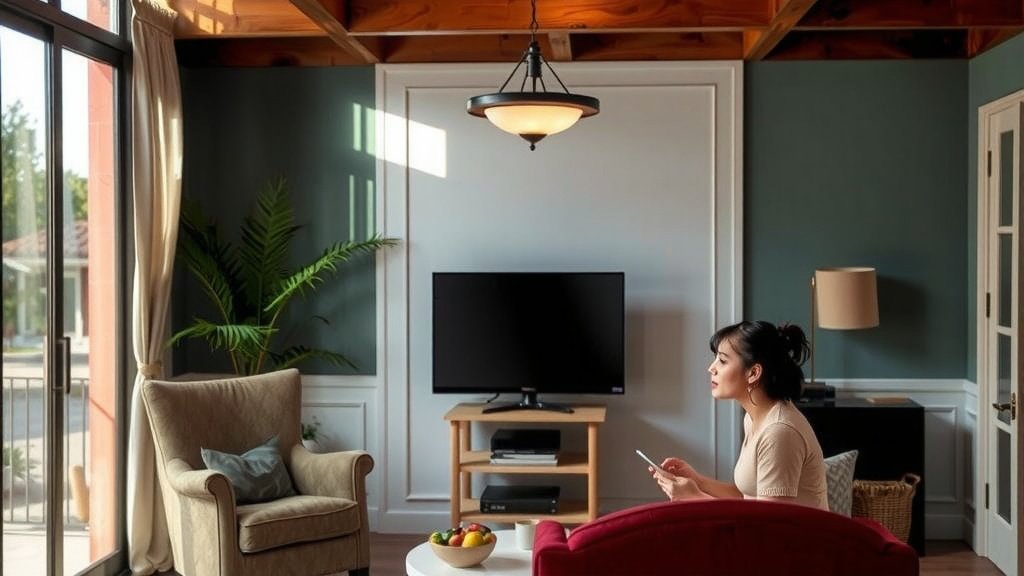
The good news is that this is usually a very simple fix! You just need to find the right setting on your TV or playback device.
Locating and Disabling Motion Smoothing Settings
The exact name and location of these settings vary by TV brand. You’ll typically find them in your TV’s picture settings menu. Look for terms like:
- Motion Smoothing
- Motion Interpolation
- Clear Action
- TruMotion
- Auto Motion Plus
- Natural Motion
Once you find the setting, the goal is to turn it off or set it to its lowest possible value. Some TVs even have a “Cinematic” or “Filmmaker Mode” which may automatically disable these settings for you.
Checking Your Blu-ray Player or Streaming Device
While less common, some Blu-ray players or streaming devices also have motion settings. If disabling the setting on your TV doesn’t quite do the trick, check the settings menu on your player as well. Ensure any motion enhancement features are turned off there too.
A Quick Checklist for Troubleshooting
To get your movie looking right, try these quick steps:
- Identify the motion setting on your TV.
- Turn off “Motion Smoothing” or similar features.
- Look for “Cinematic” or “Filmmaker Mode” in picture settings.
- Check settings on your Blu-ray player or streaming box.
- Restart your TV and playback device after making changes.
- Test with different movies to see the difference!
By understanding frame rates and how your TV processes motion, you can easily switch back to the cinematic look you love. It’s all about telling your TV to step aside and let the movie play as it was intended.
Conclusion
So, if your movies are looking a bit too smooth, you now know it’s likely your TV’s motion smoothing working overtime. Filmmakers carefully choose a 24fps frame rate to give movies that classic, cinematic feel. By adding frames, your TV creates a look better suited for sports or video games, not your favorite drama. The good news is you can easily take back control. Your next step is to dive into your TV’s picture settings and disable those motion enhancement features. You’ll be amazed at how much better your movies look!
Frequently Asked Questions
Will turning off motion smoothing hurt my TV’s performance?
No, turning off motion smoothing won’t hurt your TV. In fact, it allows the TV to display movies as the filmmakers intended. For content like sports or video games where smooth motion is beneficial, you can always turn it back on.
Is the “soap opera effect” bad for my eyes?
The effect itself isn’t typically harmful to your eyes. However, the unnaturally smooth motion can feel jarring or distracting for some viewers. Many people find that returning to the standard cinematic frame rate makes for a more comfortable viewing experience.
Can different streaming services cause this effect?
Streaming services themselves don’t usually cause the effect. The “soap opera effect” happens on your display device, like your TV, which interprets the video signal. Your streaming device sends the movie signal, and your TV’s settings then process it.
My TV has a “Filmmaker Mode.” Should I use that?
Yes, many TVs offer a “Filmmaker Mode” or a similar setting. These modes are designed to disable most of the TV’s picture enhancements, including motion smoothing, to present the content as accurately as possible to the director’s original vision.
What if I can’t find the motion smoothing setting on my TV?
If you’re struggling to locate the setting, consult your TV’s user manual. You can usually find it by searching online for “[Your TV Brand] [Your TV Model] motion smoothing setting.” Sometimes the feature might be named differently, like “noise reduction” or “digital reality creation.”