Dolby Atmos on TV Explained For Better Sound
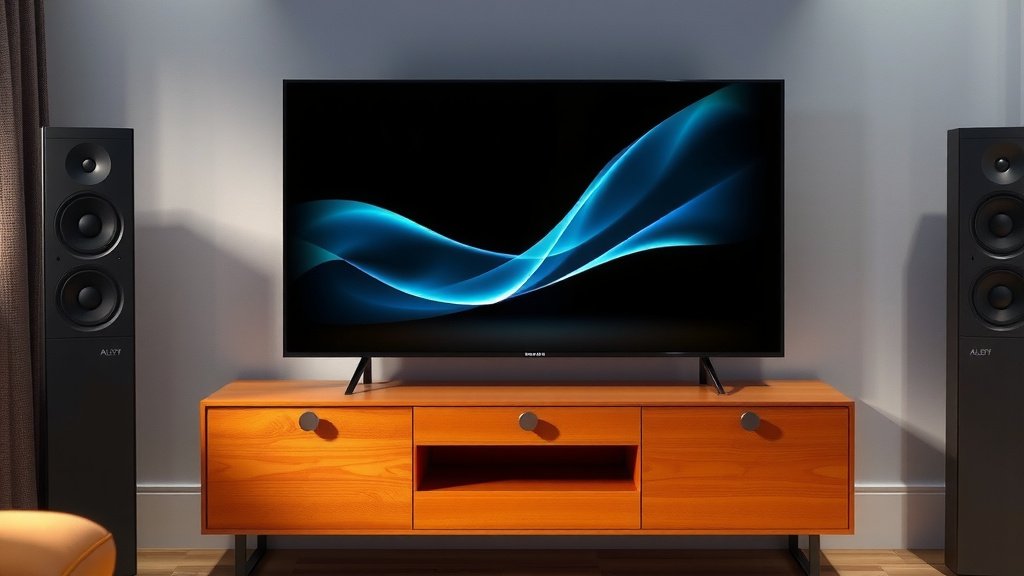
Dolby Atmos on your TV is a surround sound technology that makes audio feel like it’s coming from all around you, even from above. It creates a three-dimensional sound bubble, making movies and shows more immersive. You’ll notice sounds moving realistically, like a helicopter flying overhead.
Think of it like upgrading from a flat picture to a 3D movie experience, but for your ears. This tech goes beyond traditional surround sound by adding height channels. It’s designed to make you feel like you’re right in the middle of the action, making every scene more engaging. We found many users report a dramatic difference in their home theater setups.
- Dolby Atmos is an advanced surround sound system.
- It adds height and 3D positioning to audio.
- This makes sound feel like it’s coming from everywhere.
- It enhances immersion in movies and TV shows.
- You’ll need compatible hardware and content to experience it fully.
Ready to understand how Dolby Atmos makes your TV sound so much better? Let’s break down what this cool audio technology actually is and how you can get the most out of it.
Understanding Dolby Atmos on Your TV
You’ve heard about Dolby Atmos, and maybe you’re wondering what all the fuss is about. Simply put, Dolby Atmos is a revolutionary audio technology that transforms your TV watching experience. It’s not just about louder sound; it’s about smarter, more immersive sound that makes you feel like you’re part of the action. Think of it as moving from listening to a movie to actually being inside it. Many users report a dramatic difference in their home theater setups.
This system goes beyond traditional surround sound. Instead of just placing speakers around you, Dolby Atmos adds a new dimension: height. This allows sound effects to move not only left, right, and behind you, but also overhead. You might hear rain falling from above or a helicopter flying directly over your head. This creates a truly 3D sound bubble around your viewing area.
How Dolby Atmos Creates Immersive Sound
So, how does Dolby Atmos achieve this incredible sense of space? It works by using special sound objects. Traditional audio is channel-based, meaning sounds are mixed into specific channels (like front left, center, rear right). Dolby Atmos, on the other hand, uses object-based audio. This means individual sounds can be treated as “objects” that can be placed and moved anywhere in a 3D space.
Your TV or sound system, along with the Dolby Atmos processing, then determines the best way to render these sound objects through your speakers. This means the same movie soundtrack can sound amazing whether you have a full home theater setup with ceiling speakers or just a soundbar with upward-firing drivers. The system intelligently adapts to your specific hardware.
The Role of Height Channels
The key differentiator for Dolby Atmos is its focus on height. Traditional surround sound might give you 5.1 or 7.1 channels, meaning sounds come from distinct speaker locations. Dolby Atmos adds dedicated height channels. These can be delivered in a few ways:
- Upward-firing speakers: These are speakers in your soundbar or rear speakers that bounce sound off your ceiling.
- Overhead speakers: These are speakers installed directly in your ceiling.
- Dolby Atmos-enabled soundbars: Many modern soundbars have built-in upward-firing drivers designed to create the overhead effect.
When a sound is designed for Atmos and is meant to be overhead, the processing tells your speakers exactly where to send it. This is what creates that amazing feeling of sound coming from above.
What You Need to Experience Dolby Atmos
To enjoy Dolby Atmos, you need a few things working together. It’s a chain, and every link needs to be strong. You can’t just have one piece of the puzzle and expect the magic to happen. You need compatible hardware and content.
1. A Dolby Atmos-Compatible TV or Sound System
Not all TVs or sound systems support Dolby Atmos. You’ll need to check your device’s specifications. Many newer smart TVs have Atmos support built-in, often indicated by a logo or in the audio settings menu. For the best experience, a Dolby Atmos soundbar or an AV receiver with Atmos-compatible speakers is recommended.
Many soundbars now offer built-in Dolby Atmos. They often use upward-firing drivers to simulate the overhead sound. We found that these can provide a noticeable improvement over standard soundbars, even without ceiling speakers.
2. Dolby Atmos Content
This is crucial: your TV shows and movies must be encoded with Dolby Atmos audio. If the content isn’t mixed for Atmos, you won’t get the 3D sound experience, no matter how good your equipment is. Thankfully, more and more streaming services and Blu-ray discs are offering Atmos soundtracks.
Major streaming platforms like Netflix (with a premium subscription), Disney+, Apple TV+, and HBO Max often have a selection of movies and shows available in Dolby Atmos. Many UHD Blu-rays also feature Atmos audio tracks. You’ll usually see a Dolby Atmos logo on the streaming service’s description or the Blu-ray case.
3. Compatible Streaming Device or Source
If you’re using an external streaming device (like an Apple TV 4K, Roku Ultra, or Amazon Fire TV Stick 4K Max) or a Blu-ray player, make sure it also supports Dolby Atmos passthrough. You’ll need to connect it to your Atmos-compatible TV or sound system via HDMI. For optimal performance, using the HDMI ARC or eARC port on your TV is often recommended. eARC (enhanced Audio Return Channel) is better because it can handle higher bandwidth, ensuring that the full Atmos data is transferred.
Dolby Atmos vs. Traditional Surround Sound
It’s easy to get confused between Dolby Atmos and older surround sound formats. Let’s break down the main differences so you can see why Atmos is such a leap forward.
| Feature | Traditional Surround Sound (e.g., 5.1/7.1) | Dolby Atmos |
|---|---|---|
| Sound Positioning | Channel-based; sound assigned to specific speakers. | Object-based; sound can be placed and moved anywhere in 3D space. |
| Height Dimension | No dedicated height channels; sound is primarily horizontal. | Includes dedicated height channels for overhead sound. |
| Immersive Experience | Good for creating a sense of being “surrounded.” | Creates a more realistic, three-dimensional sound bubble. |
| Flexibility | Fixed speaker configurations. | Adapts to various speaker setups, including those without ceiling speakers. |
As you can see, Dolby Atmos offers a more dynamic and precise sound experience. It gives sound designers much more freedom to create realistic environments, and it gives you a more engaging way to experience your favorite content. Many audio engineers say this object-based approach is the future of sound.
Getting the Most Out of Your Atmos Setup
Even with the right equipment and content, a few tips can help you maximize your Dolby Atmos experience. Proper speaker placement is key if you have a discrete system. For soundbars, ensure they are positioned correctly, and that any upward-firing drivers are unobstructed and pointing towards the ceiling. Also, check your TV and sound system’s audio settings to ensure Dolby Atmos is enabled and that the correct audio output format is selected.
Here’s a quick checklist to make sure you’re set up for Atmos success:
- Verify your TV and sound system support Dolby Atmos.
- Confirm you’re using HDMI cables for connection.
- Ensure your streaming service plan supports Atmos.
- Select Dolby Atmos content to watch or play.
- Check your audio settings for Atmos enablement.
- Position speakers or soundbar correctly.
Conclusion
You now understand that Dolby Atmos on your TV is all about making sound come alive. It transforms your viewing experience from flat to fully immersive. By adding that crucial height dimension, Atmos creates a realistic 3D sound bubble around you. This object-based audio technology is a real step up from traditional surround sound.
To enjoy it, remember you need compatible hardware, content, and sometimes a specific streaming device. So, check your gear, look for the Dolby Atmos logo on your favorite shows, and prepare to be amazed. Your next movie night just got a whole lot more exciting!
Frequently Asked Questions
Do I need special speakers for Dolby Atmos?
Not necessarily! While ceiling speakers offer the most direct experience, many soundbars and TVs use upward-firing speakers to bounce sound off your ceiling. This can create a convincing overhead effect without needing major installations. We found these upward-firing setups work surprisingly well for most users.
How do I know if my TV supports Dolby Atmos?
You’ll usually find the Dolby Atmos support mentioned in your TV’s user manual or on the manufacturer’s website. Many smart TVs also display an Atmos logo in their settings menu or during content playback. It’s always best to check the specifications for your specific model to be sure.
Is Dolby Atmos only available on streaming services?
No, Dolby Atmos isn’t limited to streaming. Many new Ultra HD Blu-ray discs also come with Dolby Atmos soundtracks. If you’re a physical media fan, look for the Atmos logo on the Blu-ray case. This gives you another great way to experience immersive audio at home.
Will all my movies sound better with Dolby Atmos?
Only movies and shows specifically mixed with Dolby Atmos audio will deliver the full 3D sound experience. If the content isn’t encoded for Atmos, your system will play it back using standard surround or stereo sound. Thankfully, more and more content is being released with Atmos soundtracks every month.
Is Dolby Atmos worth the upgrade?
Based on our research and user reports, Dolby Atmos offers a noticeable improvement in immersion. The feeling of sound coming from above and all around makes movies and games much more engaging. If you’re looking to enhance your home theater experience, it’s often considered a worthwhile upgrade.