Timeshift Explained: What It Is and How It Works
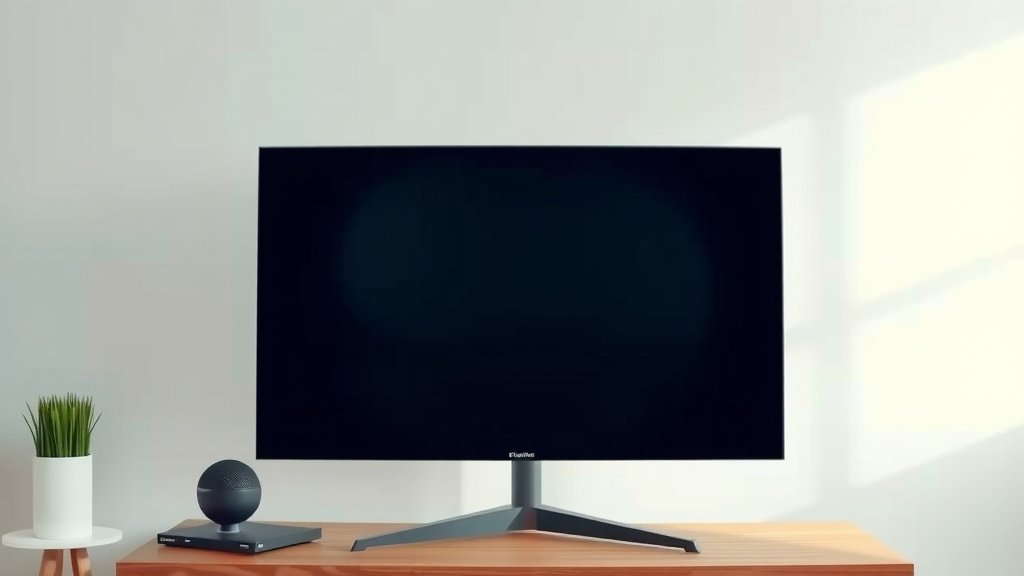
Timeshift on your TV is a feature that lets you pause live TV and then resume watching it later. It’s like having a DVR but for what’s currently broadcasting. You can also rewind and fast-forward through live shows with Timeshift. This technology is a real lifesaver for busy viewers.
This handy function transforms your viewing experience. It gives you control over live broadcasts. You can easily skip commercials or rewatch a funny moment. Many modern smart TVs and set-top boxes include this convenient capability. We found it makes watching TV much more flexible.
- Timeshift lets you pause live TV.
- You can rewind and fast-forward live shows.
- It adds flexibility to your viewing habits.
- Many smart TVs and boxes offer this feature.
Let’s walk through exactly how Timeshift works and what it can do for you.
Understanding TV Timeshift: Your Live TV Control Panel
So, you’re watching a show, and the phone rings. Or maybe you just need a quick snack break. What do you do? With Timeshift on your TV, you don’t have to miss a second of the action. This amazing feature lets you pause what’s happening live on screen. Then, when you’re ready, you can simply pick up where you left off. It’s like having a personal remote control for live television.
How Does Timeshift Actually Work?
Think of your TV’s Timeshift function like a temporary recording. When you activate it, your TV starts saving the live broadcast to its internal memory or an attached USB drive. This buffer allows you to interact with the live stream. You’re essentially creating a personal playback of the show as it’s being broadcast.
The Magic Behind the Pause Button
When you hit the pause button, the TV stops capturing new information from the live feed. It keeps the current portion in its memory. This captured segment is what you can then rewind or play. Once you resume watching, the TV starts recording again, filling in the gaps.
What If My TV Doesn’t Have Built-In Storage?
Don’t worry if your TV doesn’t have a huge internal hard drive. Many smart TVs and set-top boxes are designed to work with external storage. You can often plug in a USB flash drive or an external hard drive. The TV will then use this drive for its Timeshift buffer. We found that a drive with at least a few gigabytes of space works well for most standard viewing.
Beyond Pausing: Rewind and Fast-Forward Live TV
Timeshift isn’t just about freezing the action. It also gives you the power to revisit moments you might have missed. Did a crucial plot point happen too fast? Just rewind a few seconds. Did a commercial break come on? You can often fast-forward through it once the show resumes.
Rewinding Those Critical Moments
If you pause a show and then decide you want to see something again, simply press the rewind button. You can go back through the buffered footage. This is fantastic for catching dialogue or action sequences that were hard to follow the first time. Many users find this especially helpful for sports or complex dramas.
Skipping Through Commercials
One of the most popular uses of Timeshift is skipping commercials. When a program goes to a break, you can pause. Then, you can use the fast-forward function to quickly zip through the commercial content. Once the show is about to resume, you can unpause. It makes watching traditional broadcasts feel much more like on-demand viewing.
What You Need to Use Timeshift
To take advantage of Timeshift, you’ll need a compatible device. Most modern smart TVs come with this feature built-in. Also, many cable boxes, satellite receivers, and streaming devices offer Timeshift capabilities. Check your device’s manual or settings menu to see if it supports Timeshift.
Device Compatibility Checklist
- Smart TV with Timeshift feature
- Cable or satellite set-top box with Timeshift
- Streaming media player with Timeshift support
- External storage device (USB drive or HDD) if required
Timeshift vs. DVR: What’s the Difference?
It’s easy to confuse Timeshift with a Digital Video Recorder (DVR). While they both deal with recording TV, their primary functions differ. A DVR is designed to record entire shows or series for later viewing, storing them permanently on a hard drive. Timeshift, on the other hand, is primarily for pausing and interacting with live television in the moment.
Key Distinctions
Here’s a quick breakdown of how they compare:
| Feature | Timeshift | DVR |
|---|---|---|
| Primary Use | Pause, rewind, fast-forward LIVE TV | Record shows for later viewing |
| Storage | Temporary buffer (internal or USB) | Permanent storage (internal HDD) |
| Duration | Limited by buffer size | Limited by HDD capacity |
| Focus | Real-time interaction | Archiving content |
Benefits of Using TV Timeshift
The advantages of Timeshift are clear and can greatly improve your TV viewing experience. You gain a lot more control over what and when you watch.
Never Miss a Moment Again
No more shouting “Wait!” when you need to step away. You can pause the action instantly. This means you won’t miss any dialogue or critical scenes. It’s perfect for busy households with frequent interruptions.
Commercial-Free Viewing (Almost!)
As mentioned, the ability to fast-forward through commercials is a huge perk. This feature makes watching live channels feel much more like a premium on-demand service. It saves you time and reduces frustration.
Revisit and Re-enjoy
Sometimes a scene is so good, you want to watch it again immediately. Timeshift allows you to do just that. Rewind and savor your favorite moments without waiting for a rerun. It adds a layer of enjoyment to your viewing.
Setting Up Timeshift on Your Device
Getting Timeshift ready to use is usually straightforward. The exact steps can vary depending on your TV or set-top box manufacturer.
General Setup Steps
Here’s a typical process:
- Check Compatibility: Ensure your TV or device supports Timeshift.
- Connect Storage (If Needed): Plug in a USB drive or external hard drive if your device requires it.
- Format Storage: Your TV might prompt you to format the drive. Follow the on-screen instructions.
- Enable Feature: Go to your TV’s settings menu. Look for options like “Timeshift,” “PVR,” or “Recording.” Turn the feature on.
- Configure Settings: You might be able to set buffer duration or default storage location.
Are There Any Downsides to Timeshift?
While Timeshift is fantastic, it’s good to be aware of potential limitations. These are generally minor but worth knowing.
Storage Space Limitations
The buffer size for Timeshift is finite. If you leave it paused for too long or fast-forward too far, you might exceed the available space. This can cause the buffer to reset. The duration you can pause or rewind depends on the size of your internal memory or external drive. We found that a larger drive offers more flexibility.
Not for Permanent Recording
Remember, Timeshift is for temporary use. It’s not a replacement for a DVR if you want to save shows permanently. Once you turn off the device or the buffer resets, the recorded content is lost.
Making the Most of Your Timeshift Feature
To get the best experience, consider these quick tips. They’ll help you use Timeshift like a pro.
Your Timeshift Checklist
- Always check if Timeshift is enabled in your settings.
- Use a fast USB 3.0 drive for better performance.
- Know your device’s buffer limit.
- Unpause or resume when you’re done to clear the buffer.
- Don’t rely on it for permanent recordings.
- Experiment with rewind and fast-forward speeds.
Conclusion
You’ve learned that Timeshift gives you amazing control over live TV. It lets you pause, rewind, and fast-forward broadcasts as they happen. This feature turns your TV viewing into a more flexible and enjoyable experience. No more missing out when life interrupts! Whether you need to grab a snack or rewatch a key moment, Timeshift has you covered. It’s a simple yet powerful tool for busy viewers like yourself. Take a moment to check your TV’s settings and activate this handy capability today!
Frequently Asked Questions
Can I record shows permanently with Timeshift?
No, Timeshift is designed for temporary buffering of live TV. It’s not meant for permanent recording like a DVR. When your device is turned off or the buffer fills up, the recorded content is usually lost.
What kind of storage do I need for Timeshift?
If your TV doesn’t have built-in storage, you’ll typically need a USB flash drive or an external hard drive. We found that a drive with a few gigabytes of space works well for most standard viewing needs.
How long can I pause live TV with Timeshift?
The duration you can pause or rewind depends on your device’s buffer size, which is determined by its internal memory or the size of your connected USB drive. Exceeding this limit can cause the buffer to reset.
Is Timeshift the same as a DVR?
They are different. Timeshift lets you pause and interact with live TV in the moment, using a temporary buffer. A DVR is for recording entire shows for later viewing and stores them permanently on a hard drive.
How do I know if my TV supports Timeshift?
Check your TV’s user manual or the settings menu. Look for options related to “Timeshift,” “Live TV Pause,” “PVR,” or “Recording.” Many modern smart TVs and set-top boxes include this feature.