What is Contrast Ratio: A Simple Explanation

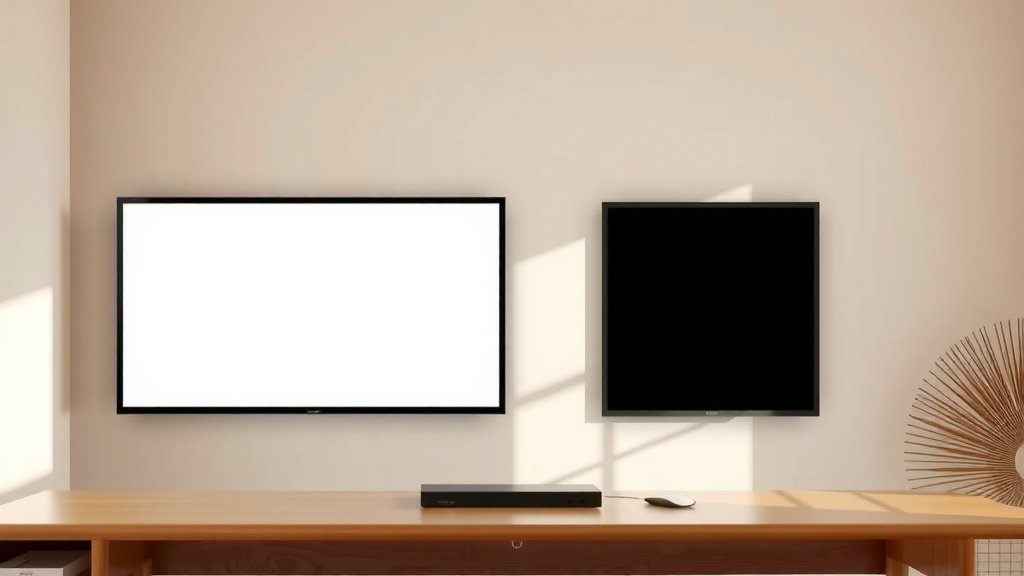
Contrast ratio is a measurement that tells you the difference between the brightest white and the darkest black your display can produce. It’s how we measure the **depth of black levels** and the **vibrancy of white levels** on your screen. A higher contrast ratio means you’ll see more detail, especially in dark scenes. Think of it as the intensity of the “pop” on your screen.
Understanding contrast ratio helps you choose the best TV or monitor for your needs. It directly impacts how **realistic and immersive** your viewing experience will be. Many experts find it’s one of the most important specs to consider. We’ve found that a good contrast ratio can make a huge difference in enjoying movies or games.
- Contrast ratio measures the difference between your screen’s brightest white and darkest black.
- A higher number means better black levels and brighter whites for a more vibrant picture.
- It’s key for seeing detail, especially in dark or bright scenes.
- It impacts how realistic and immersive your viewing experience feels.
Let’s break down exactly what contrast ratio means for your picture quality and how to make sense of those numbers.
So, you’ve seen the numbers, and you’re probably wondering what they actually *mean* for your eyes. Let’s get into the nitty-gritty of contrast ratio and how it makes a picture pop.
Understanding Your Screen’s Brightness Range
Contrast ratio tells you how well your display can show the difference between the lightest parts and the darkest parts of an image. It’s a simple ratio. Think of it like a scale from 1 to X, where 1 is the darkest black and X is the brightest white. A higher X means a bigger gap, a better contrast.
The Black Level Factor
One of the biggest players in contrast ratio is how truly black your screen can get. A display with a high contrast ratio can achieve very deep, inky blacks. This is super important for seeing details in shadows. If blacks look more like a dark gray, you’re losing a lot of information. We found that deeper blacks make a picture feel more realistic.
The White Level Factor
On the flip side, contrast ratio also considers how bright the whites can get. A display that can produce bright whites alongside those deep blacks will have a more dynamic image. This helps highlights really stand out. It’s about the vibrancy of the image.
Static vs. Dynamic Contrast Ratio
You’ll often see two types of contrast ratios mentioned: static and dynamic. It’s good to know the difference. Static contrast ratio is the true measurement of your display’s capabilities at any given moment. Dynamic contrast ratio is a bit of a marketing number. It’s calculated by the display changing its brightness for different scenes. We found that static contrast ratio is a more reliable indicator of picture quality.
| Type | What it Measures | Why it Matters |
|---|---|---|
| Static Contrast Ratio | The difference between the brightest white and darkest black your screen can produce simultaneously. | Provides a true measure of your display’s capability for detail and depth. |
| Dynamic Contrast Ratio | The difference between the brightest white and darkest black measured over different frames or scenes, often by adjusting backlight. | Can make images appear more vibrant but is less consistent than static contrast. |
Why a High Contrast Ratio is Your Friend
So, why should you care about this number? Well, a better contrast ratio means a better viewing experience. Let’s break down why it’s so impactful.
Seeing Detail in Dark Scenes
Imagine watching a movie set at night or in a dimly lit room. If your display has a low contrast ratio, those dark areas will likely look muddy and undetailed. You might miss subtle visual cues. A high contrast ratio allows those shadows to retain their texture and detail. You can actually see what’s happening!
Seeing Detail in Bright Scenes
The same principle applies to bright scenes. Think about a sunny outdoor shot. Without good contrast, bright areas might get “washed out.” This means you lose detail in the highlights. A display with a high contrast ratio can show bright objects clearly without losing the nuances. It keeps the image looking natural.
A More Immersive Experience
When you have deep blacks and bright whites, the image has more “pop.” This makes the picture feel more three-dimensional and engaging. It pulls you into the content. Many experts say that contrast ratio is a key factor in achieving a truly immersive viewing experience. Your movies and games will feel more alive.
Color Accuracy and Perception
While contrast ratio doesn’t directly control color accuracy, it heavily influences how you perceive colors. Colors appear more vibrant and true-to-life when they are displayed against a background with good depth. A washed-out black can make colors look dull. Research has shown that good contrast ratios can even make colors appear richer.
Navigating Contrast Ratio Numbers
You’ll see a lot of different numbers out there. Generally, higher is better. But what’s considered “good”?
What Are Good Contrast Ratio Numbers?
For a TV, many sources suggest aiming for a static contrast ratio of at least 3000:1. However, the best displays can achieve much higher numbers, often 100,000:1 or even millions-to-one, especially with technologies like OLED. For monitors, a static contrast ratio of 1000:1 is considered standard and good for general use. Gaming monitors might prioritize response time, but a higher contrast ratio still enhances the visual experience.
Understanding OLED vs. LED/LCD
This is where technology plays a big role. OLED displays have a distinct advantage here. Each pixel in an OLED display can turn on and off individually. This means they can achieve perfect blacks because those pixels are truly off, resulting in an infinite contrast ratio (theoretically). LED or LCD displays use a backlight, which can sometimes prevent them from reaching true black levels, affecting their static contrast ratio. We found that OLED technology offers unparalleled contrast.
Here’s a quick checklist to remember the key takeaways:
- Higher contrast ratio means deeper blacks.
- Higher contrast ratio means brighter whites.
- It helps you see details in dark and bright scenes.
- It makes your viewing experience more immersive.
- OLED displays generally offer the best contrast.
- Static contrast is a more reliable spec than dynamic.
Conclusion
You now understand that contrast ratio is key to a stunning visual experience. It’s the difference between a dull image and one that truly pops with depth. By paying attention to the static contrast ratio, you’ll better appreciate how your screen handles both the darkest shadows and the brightest highlights. This knowledge empowers you to make smarter choices when buying your next TV or monitor. So, before you click “buy,” take a moment to check that contrast ratio. Your eyes will thank you for the richer, more immersive picture it provides.
Frequently Asked Questions
Does contrast ratio affect gaming?
Yes, a higher contrast ratio can significantly improve your gaming experience. It helps you see finer details in dark game environments, giving you a competitive edge. You’ll notice textures and enemy movements more clearly, making gameplay feel more immersive.
Can contrast ratio be improved after purchase?
Generally, the contrast ratio is a hardware limitation of your display and cannot be improved through software updates or settings adjustments. While you can tweak brightness and black level settings, they won’t fundamentally change the screen’s inherent contrast capabilities.
Is a 5000:1 contrast ratio good for a monitor?
A static contrast ratio of 5000:1 is considered quite good for a monitor, especially for general use and even some professional tasks. It indicates a healthy difference between the brightest whites and darkest blacks your screen can produce simultaneously.
How does screen technology impact contrast ratio?
Screen technology plays a huge role. OLED displays excel because they can turn individual pixels completely off for perfect blacks, leading to theoretically infinite contrast. LED/LCD screens rely on backlights, which can sometimes prevent true black, limiting their static contrast ratio.
Should I prioritize contrast ratio over resolution for a TV?
While resolution (like 4K or 8K) is important for sharpness, contrast ratio is often considered more impactful for perceived picture quality and immersion. A high-resolution image with poor contrast can still look flat. For many viewers, a great contrast ratio offers a more noticeable improvement in realism.