What is a TV Backlight and How Does It Work
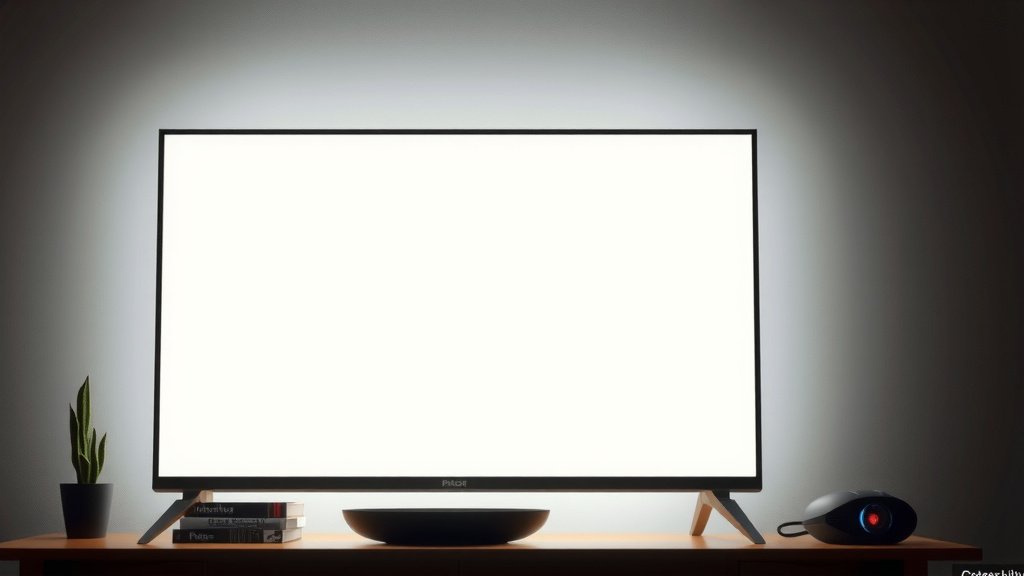
A TV backlight is the lighting source behind your TV screen. It helps create the image you see by illuminating the pixels. Without it, your screen would just be dark and blank, no matter how exciting the show.
Think of it like the stage lighting for actors. The backlight is essential for making your picture bright and colorful. Different types of backlights can really change how your TV looks, especially when you’re watching movies in a dim room.
- It’s the light source that makes your TV picture visible.
- It illuminates the pixels to show you images.
- Different types affect picture quality and cost.
- It’s a key part of how your TV displays color and contrast.
Let’s dive into what a TV backlight is and why it matters for your viewing experience.
You know that glowing screen you stare at for hours? It’s not magic! Behind every bright, colorful picture is a TV backlight. This hidden hero is essential for showing you everything from your favorite sitcoms to the latest blockbuster movies.
How Your TV Lights Up: Understanding the Backlight System
Think of your TV screen like a window. The backlight is the light source shining from behind that window. It makes sure the picture you see is bright and clear. Without this light, the pixels on your screen wouldn’t be able to show any image at all. It’s the foundation for all the visuals you enjoy.
The Basic Job: Illuminating Pixels
Your TV screen is made up of millions of tiny dots called pixels. These pixels create the image by controlling color and brightness. But they don’t produce their own light. They need something to shine through them. That’s where the backlight steps in. It provides the consistent light that passes through the pixels, allowing you to see the picture.
The brightness and uniformity of this light source directly impact how good your picture looks. A weak or uneven backlight can lead to a dull or patchy image. Many experts agree that a good backlight is **fundamental for a great viewing experience**.
Why Backlight Technology Matters for Picture Quality
Not all backlights are created equal. The type of backlight technology your TV uses can make a big difference in several key areas:
Contrast and Black Levels
This is a big one. How well can your TV show deep blacks and bright whites at the same time? The backlight plays a huge role here. If the backlight is always on at full power, it’s hard to get true blacks. This can make dark scenes look more like dark gray. Better backlight systems allow for more control over the light.
Color Accuracy and Vibrancy
The light from the backlight also influences the colors you see. Some backlights are better at producing a wider range of colors. This means your movies and shows will look more lifelike and vibrant. You’ll notice richer reds, deeper blues, and more natural skin tones.
Brightness and Uniformity
A good backlight ensures the screen is lit evenly. You don’t want to see bright spots or dark corners. It also provides enough brightness, especially for rooms with a lot of natural light. This makes your TV **visible and enjoyable** even during the day.
Different Types of TV Backlights: What’s Behind the Screen?
There are a few main types of TV backlight technologies. They each have their own pros and cons. Understanding these can help you appreciate the technology behind your favorite screen.
Edge-Lit LED
This is a very common type. With edge-lit LEDs, the lights are placed around the edges of the TV screen. A diffuser panel spreads the light evenly across the display. It’s a cost-effective design that allows for very thin TVs.
However, it can sometimes struggle with uniform brightness and achieving perfect black levels. We found that some edge-lit TVs may show a slight glow in dark scenes. This is because the light has to travel across the screen.
Direct-Lit LED (or Full-Array LED)
Direct-lit TVs have LEDs placed directly behind the entire screen. This setup offers much better control over brightness and contrast. Many experts say this is a significant improvement over edge-lit designs.
A more advanced version of this is called “local dimming.” This allows the TV to turn off or dim specific zones of LEDs. This drastically improves black levels and contrast. You get deeper blacks and brighter whites. This is a **popular choice for enhanced picture quality**.
QLED and Mini-LED
QLED TVs are a type of LED TV that uses Quantum Dots. These are tiny semiconductor particles that glow when light hits them. This technology, combined with a good backlight system, can produce incredibly bright and vibrant colors. Many reviews show QLEDs excel in color volume.
Mini-LED is an evolution of direct-lit technology. Instead of hundreds of LEDs, Mini-LED TVs use thousands of much smaller LEDs. This allows for many more dimming zones. The result is even better contrast and black levels, approaching the performance of OLED TVs.
OLED Technology (Self-Emissive Pixels)
It’s worth mentioning OLED, though it works differently. OLED (Organic Light-Emitting Diode) screens don’t have a separate backlight. Each individual pixel creates its own light. This means pixels can be turned off completely.
This allows for **perfect black levels** and infinite contrast. When a pixel is off, it’s truly black. This technology is often seen as the gold standard for picture quality, especially for dark room viewing. We found OLEDs are highly praised for their motion handling as well.
Making the Right Choice: What to Look For
When you’re shopping for a new TV, the backlight technology is a key factor. It directly influences how your favorite content will look. Consider these points:
- Budget: Edge-lit TVs are generally more affordable. Direct-lit, Mini-LED, and OLED will usually cost more.
- Viewing Environment: If you watch in a bright room, you’ll want a TV with a powerful, bright backlight. For dark rooms, contrast and black levels are more critical.
- Content Type: For movies with many dark scenes, local dimming or OLED can make a big difference. For general TV watching and sports, a good edge-lit or direct-lit might be perfectly fine.
Do your research based on these technologies. We found that understanding the backlight is half the battle when choosing a great TV.
Here’s a quick checklist to help you remember the key takeaways:
- Backlight illuminates the pixels for image visibility.
- Edge-lit is common and budget-friendly.
- Direct-lit offers better contrast with local dimming.
- Mini-LED uses many tiny LEDs for superior control.
- QLED enhances color brightness and vibrancy.
- OLED pixels light themselves, offering perfect blacks.
Conclusion
Now that you understand what a TV backlight is, you know how vital it is to your viewing experience. From making your pictures bright and clear to influencing deep blacks and vibrant colors, the backlight truly shapes what you see. We’ve seen how edge-lit, direct-lit, Mini-LED, and even OLED technologies offer different benefits.
Your next step is to consider your own viewing habits and budget. Think about your room’s lighting and the kinds of shows or movies you enjoy most. This knowledge will help you pick a TV that delivers the stunning picture quality you deserve.
Frequently Asked Questions
Does the TV backlight affect how bright my screen can get?
Yes, absolutely. The brightness of the backlight is a primary factor in how bright your TV screen can appear. A stronger backlight is essential for watching TV in a well-lit room without glare.
Can a TV backlight impact the depth of black colors?
Definitely. How well a TV displays black levels is closely tied to its backlight technology. Systems with more advanced control, like local dimming or self-emissive pixels in OLEDs, can achieve much deeper blacks.
Is there a difference in color quality between different backlight types?
Yes, there can be. Certain backlight technologies, especially those using Quantum Dots like QLEDs, can enhance color vibrancy and accuracy. The light source directly influences how colors are produced on screen.
Are edge-lit TVs bad because of their backlight?
Not necessarily bad, but they do have limitations. Edge-lit TVs are often more affordable and allow for slimmer designs. However, they may struggle with uniform brightness and achieving the deepest black levels compared to direct-lit or OLED TVs.
Should I worry about the backlight if I mainly watch TV in a dark room?
If you watch in a dark room, you’ll definitely want to pay attention to backlight features that improve contrast and black levels. Technologies like local dimming, Mini-LED, and OLED are particularly beneficial for creating an immersive experience without washed-out dark scenes.