Curved TVs Explained: Your Guide to the Immersive Display
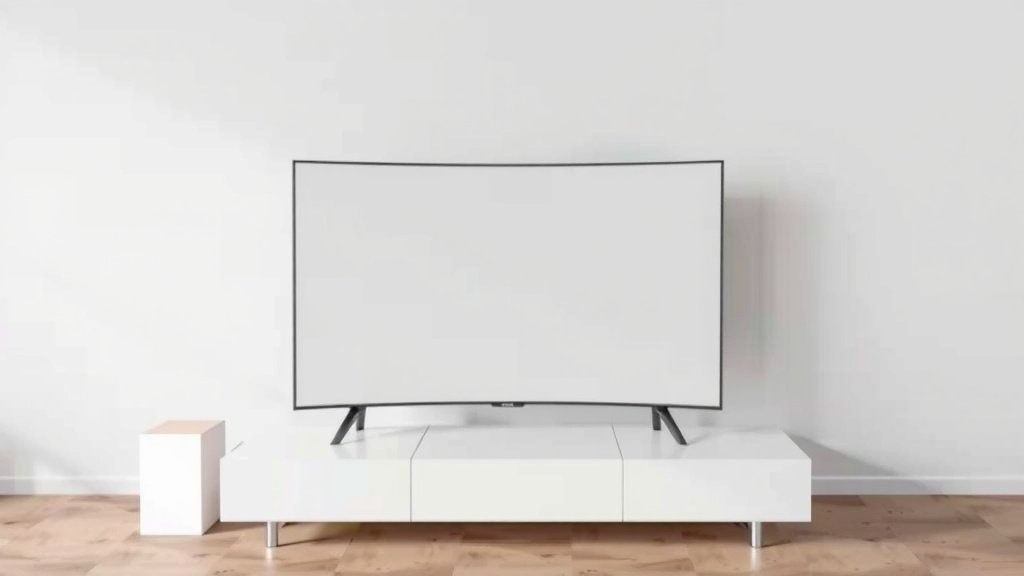
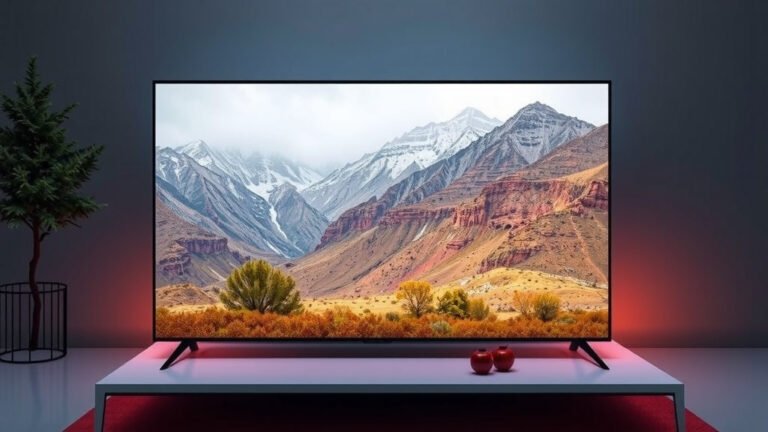
A curved TV is a television with a gently bowed screen that wraps around your viewing area. It’s designed to provide a more immersive viewing experience. This subtle curve can make the picture seem larger and more engaging.
Many people wonder if the curve really makes a difference. Research and user reports suggest it can enhance depth perception. It also helps reduce glare from ambient light. This can make watching movies feel more like being in a theater.
- Curved TVs have screens that bend inward slightly.
- This shape is meant to wrap the picture around you.
- It aims for a more immersive and captivating view.
- Some users find it reduces glare effectively.
- It can also create a sense of greater depth.
Ready to find out if a curved TV is the right choice for your home entertainment? Let’s dive into what makes them unique.
Understanding the Bend: What Makes a Curved TV Different?
So, you’ve seen them – those TVs that don’t just sit flat against the wall. They have a subtle, gentle bend, like a shy smile. But what’s the big deal? Essentially, a curved TV has a screen that gently bows inward. This design choice is all about changing how you experience what’s on screen.
Instead of a flat surface facing you, the screen wraps around you a bit. Think of it like sitting in the front row of a movie theater versus sitting way back. The goal is to pull you into the picture. It’s designed to make the viewing experience feel more encompassing and less like you’re just looking at a screen.
The Science Behind the Curve: How It Affects Your View
You might be wondering if this curve actually does anything. Does it really make a difference, or is it just a fancy design? Well, research and user feedback suggest there are some tangible benefits. The inward curve plays a trick on your eyes in a good way.
Enhanced Immersion and Field of View
One of the main claims is that a curved screen makes the picture feel bigger. The bend helps to extend the picture’s reach to your peripheral vision. This can make you feel more like you’re part of the action. It’s like the screen is wrapping around you, creating a more engaging surround.
Many viewers report that the sense of depth is noticeably improved. Objects on screen can appear to have more three-dimensionality. This is especially true when watching content that has a lot of visual depth already. The curve helps enhance that natural feeling.
Reducing Glare: A Brighter Picture
Let’s talk about glare. We all know how annoying it can be when light reflects off your TV screen. This is where the curve can really shine. Because the screen is not flat, it directs reflections away from your eyes. The angled surface can scatter ambient light more effectively than a flat screen.
We found that in rooms with multiple light sources or windows, this can be a big win. It means you might not have to constantly adjust your seating position or the curtains. A consistent, clear picture is easier to achieve. It’s a smart design feature for many living room setups.
Viewing Angles: Who Benefits Most?
Curved TVs are often said to offer the best experience when you’re sitting directly in front of the screen. This is where the immersive effect is strongest. The curve is designed for that sweet spot. When you’re centered, the image can appear to wrap around you perfectly.
However, we found that for viewers sitting off to the sides, the effect can be less pronounced. Sometimes, the picture might even seem a bit distorted from extreme angles. If you often have a large group watching TV from various seats, this is something to consider. A flat screen might offer a more consistent viewing angle for everyone.
Curved vs. Flat Screens: A Quick Comparison
To help you decide, let’s break down the key differences. It’s not just about the shape; it’s about how that shape impacts your viewing habits and environment.
| Feature | Curved TV | Flat TV |
|---|---|---|
| Immersion | High – Wraps around you for a theater-like feel. | Standard – Direct viewing experience. |
| Depth Perception | Often enhanced due to the inward curve. | Standard – Relies on content for depth. |
| Glare Reduction | Generally better at scattering ambient light. | More prone to direct reflections from light sources. |
| Viewing Angles | Best when seated directly in front. | Consistent picture quality from wider angles. |
| Wall Mounting | Can be more challenging; may protrude more. | Generally simpler and sits flush. |
| Screen Size Impact | Curve is more noticeable on larger screens (55 inches+). | Works well across all screen sizes. |
Does Screen Size Matter for a Curved TV?
You might think a curve would be great on any TV, big or small. But it turns out, screen size plays a role. Manufacturers often put curves on larger TVs, typically 55 inches and up. Why? Because on a bigger screen, that gentle bend has more surface area to work with.
On smaller screens, the curve can be so slight that you might not even notice it. It might not offer much of an advantage in immersion or glare reduction. For smaller TVs, a flat screen often makes more sense. You get a clear picture without any potential angle issues.
Practicalities: Mounting and Room Setup
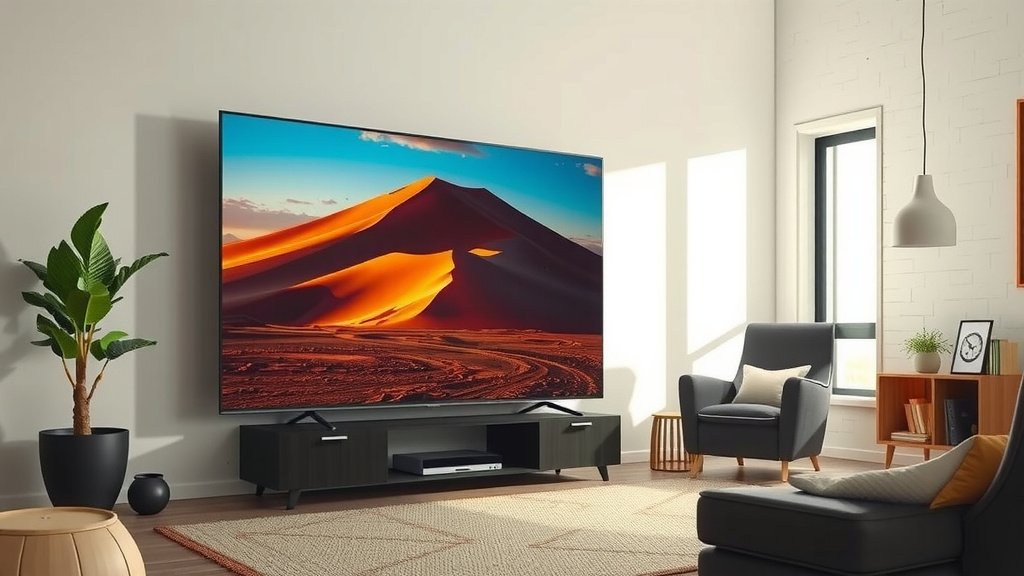
Beyond the picture quality, there are a couple of practical things to think about. How will a curved TV fit into your space? Wall mounting a curved TV can be a bit trickier than a flat one. The bend means it might stick out from the wall more.
You’ll need to make sure your wall mount can accommodate the curve. Some mounts are designed specifically for curved TVs. Also, consider the viewing distance. For the best experience, you want to be at a certain distance to fully appreciate the wrap-around effect. This is often cited as being closer than you might sit for a similarly sized flat screen.
Who Should Consider a Curved TV?
So, who is a curved TV really for? If you’re someone who loves to get lost in the movie or game you’re watching, a curved TV could be a great fit. It’s especially good if you have a dedicated viewing spot where you’re usually sitting right in the middle.
Think about your room. If you have a lot of windows or lights that create distracting reflections on a flat screen, the curve’s glare-reducing properties might be very appealing. It’s designed to offer that more cinematic feel without you leaving your couch.
Checklist: Is a Curved TV Right for You?
Let’s quickly review to see if this technology aligns with your needs:
- Do you prioritize an immersive, theater-like experience?
- Do you often watch TV alone or with a small group seated centrally?
- Is glare a frequent problem in your viewing room?
- Do you plan to buy a larger screen TV (55 inches or more)?
- Are you comfortable with potentially more complex wall mounting?
- Do you have a main viewing spot where you’ll be directly in front of the TV?
If you answered “yes” to most of these, a curved TV might just be the ticket for your next home entertainment upgrade. It’s a unique design aimed at enhancing how you connect with your favorite content.
Conclusion
So, you’re looking to enhance your home theater? A curved TV can definitely bring that cinematic feel right into your living room. Its unique shape is designed to pull you into the action, offering greater immersion and often reducing annoying glare. We found it works best when you have a prime viewing spot, especially with larger screen sizes. Consider your room setup and how you usually watch TV. If an immersive experience and better glare control sound appealing, it might be time to see a curved TV in person.
Frequently Asked Questions
Are curved TVs worth the extra cost?
Curved TVs can sometimes be more expensive than their flat counterparts. Whether they are worth it depends on your priorities. If you value the enhanced immersion and glare reduction, and usually sit directly in front of the screen, the added cost might be justified for you. For others, a flat screen may offer better value.
Can you mount a curved TV on the wall?
Yes, you can mount a curved TV on the wall, but it might require specific mounting hardware. Because of the screen’s bend, it may sit further out from the wall than a flat TV. Always check if your wall mount is compatible with curved displays or if you need a special mount designed for them.
Do curved TVs look good from an angle?
Generally, curved TVs provide the best viewing experience when you are seated directly in front of the screen. From extreme side angles, the immersive effect can diminish, and the picture might appear slightly distorted to some viewers. A flat screen usually offers more consistent picture quality across a wider range of viewing angles.
Will a curved TV make my room look smaller?
A curved TV’s design is intended to make the picture *feel* bigger and more immersive, not necessarily to make your room appear smaller. While they can sometimes protrude a bit more from the wall when mounted, their aesthetic impact is typically about drawing you into the screen rather than shrinking your space.
Are curved TVs still being made?
While curved TVs were quite popular a few years ago, the market has shifted. Many manufacturers are now focusing more on flat screen models, especially with advancements in display technology. You can still find curved TVs available, but the selection might be smaller than it once was.