TV Stand vs Wall Mount: Which is Right for Your Home
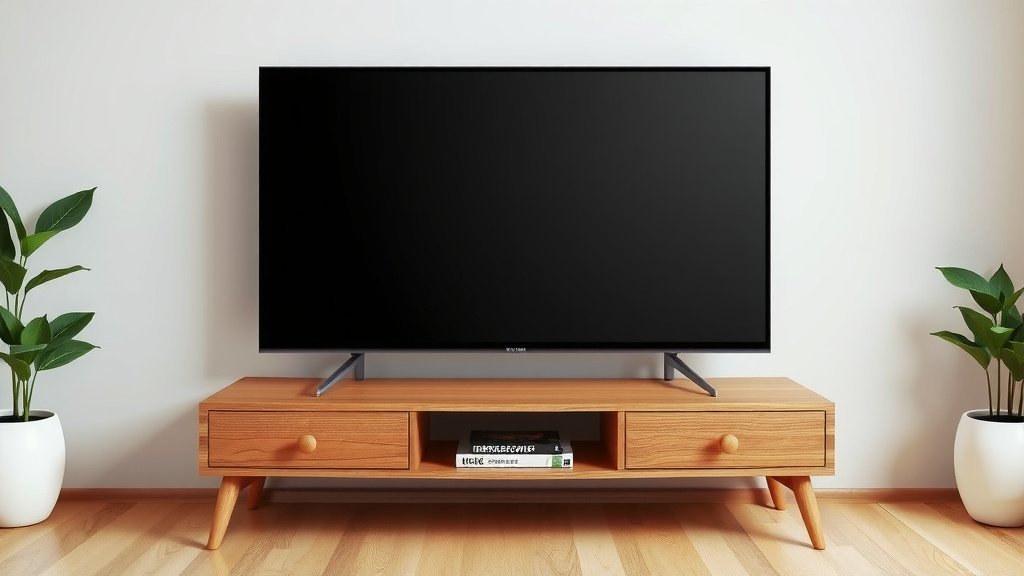
A TV stand is a piece of furniture that holds your television, while a wall mount attaches your TV directly to the wall. Stands offer flexibility and require no installation, whereas wall mounts save space and provide a sleek, modern look. The best choice for your home depends on your space and desired aesthetic.
Choosing between a TV stand and a wall mount involves considering factors like room layout, television size, and how you plan to use your TV. Stands are simpler for quick setup and easy relocation, but wall mounts can offer a more professional and clean finish. Many people find one option better suits their lifestyle.
- TV stands are furniture pieces.
- Wall mounts attach TVs to the wall.
- Stands offer easy setup and movement.
- Wall mounts save floor space and look modern.
- Your choice depends on your space and needs.
Let’s break down the differences between TV stands and wall mounts so you can decide which is best for your viewing setup.
TV Stand vs. Wall Mount: Making the Right Choice for Your Space
You’re ready to set up your new TV, but a question pops up: should it sit on a stand or be mounted on the wall? It’s a common dilemma! Both options have their own charms and practicalities. We found that understanding the core differences helps a lot. A TV stand is like a piece of furniture, a stable base. A wall mount is an attachment, securing your TV directly to the wall surface.
The Case for the TV Stand
Let’s talk about TV stands first. Think of them as the classic, reliable friend for your television. They come in many shapes and sizes, offering a spot for your TV and often extra storage. Stands are fantastic for a few key reasons.
Setup Simplicity and Flexibility
The biggest win for stands? They are incredibly easy to set up. Usually, it’s just a matter of assembling a few pieces and placing your TV on top. No drilling required! This makes them a great choice if you’re renting your home or if you like to rearrange your living space often. You can simply unplug, pick it up, and move it. We found this mobility is a huge plus for many people.
Storage and Organization Solutions
Many TV stands aren’t just about holding the TV. They often come with shelves, drawers, or cabinets. This is perfect for stashing away your cable boxes, gaming consoles, DVDs, or even decorative items. Keeping clutter hidden makes a room feel tidier. We’ve seen how a good stand can really organize your media setup.
Types of TV Stands
When you’re looking at stands, you’ll see a variety:
- Entertainment Centers: These are larger units that can house not just your TV but also surround sound systems and a lot of storage.
- Console Stands: These are the most common type, a long, low piece of furniture perfect for placing a TV on.
- Corner Stands: Designed to fit snugly into a corner, these can save space in some room layouts.
- Mounting Stands: Some stands come with a built-in mount, allowing you to hang the TV from the stand itself, offering height adjustment without wall mounting.
Aesthetics and Style
TV stands contribute to your room’s decor. You can find them in wood, metal, glass, and a rainbow of colors. Whether you love a rustic farmhouse look, a sleek modern design, or something in between, there’s likely a stand to match. It’s a chance to add another functional piece of furniture that fits your personal style.
The Appeal of the Wall Mount
Now, let’s shift gears to wall mounts. These are for those who want a clean, minimalist look and perhaps need to free up floor space. Wall mounting your TV is a way to create a truly modern entertainment zone.
Maximizing Space and Aesthetics
The most obvious benefit of a wall mount is saving floor space. When your TV is on the wall, the area beneath it is free. This can make a small room feel much larger and more open. It also gives your TV a floating appearance, which many people find incredibly sleek and sophisticated. It’s like bringing the cinema experience home with a minimalist vibe.
We found that for rooms with high traffic or limited floor area, a wall mount is often the preferred choice. It prevents accidental bumps and keeps wires more neatly tucked away.
Viewing Angles and Ergonomics
Many wall mounts are adjustable. You can tilt them down, swivel them left or right, or extend them from the wall. This flexibility allows you to get the perfect viewing angle from almost anywhere in the room. It’s especially useful if your seating isn’t directly in front of the TV or if you have multiple seating areas. Some research suggests proper TV placement can improve viewing comfort (Cleveland Clinic).
Types of Wall Mounts
Not all wall mounts are created equal. Here are the main types:
- Fixed Mounts: These hold your TV flat against the wall, like a picture frame. They are the slimmest and often the most affordable option.
- Tilting Mounts: Allow you to tilt the TV up or down, great for reducing glare or improving the angle when mounted higher up.
- Full-Motion (Articulating) Mounts: These offer the most flexibility, allowing you to tilt, swivel, and extend the TV away from the wall. They are ideal for various viewing positions.
Installation Considerations
Wall mounting does require more effort and expertise than setting up a stand. You’ll need to locate wall studs to ensure a secure installation. Many experts recommend consulting the TV’s manual and the mount’s instructions carefully. If you’re not comfortable with DIY projects involving drilling into walls, hiring a professional is a wise step. Safety is key when hanging a potentially heavy object.
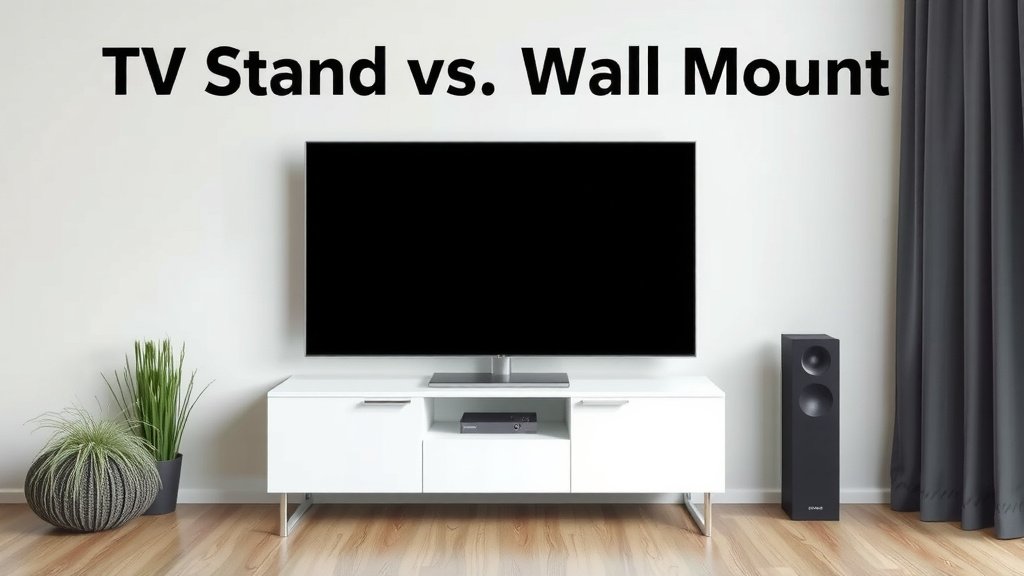
Key Differences at a Glance
To help you visualize, let’s lay out the main distinctions:
| Feature | TV Stand | Wall Mount |
|---|---|---|
| Installation | Easy assembly, no wall damage | Requires drilling into wall studs, can be complex |
| Flexibility | Easy to move and relocate | Permanent fixture once installed |
| Space Saving | Takes up floor space | Frees up floor space, creates open feel |
| Storage | Often includes shelves/cabinets | No built-in storage, wires may need managing |
| Aesthetics | Can be a decorative furniture piece | Sleek, minimalist, “floating” TV look |
| Viewing Angle | Limited by stand position | Often adjustable (tilt, swivel) |
Making Your Decision: A Quick Checklist
Still on the fence? Ask yourself these questions:
- Do you plan to move your TV often?
- Is maximizing floor space a top priority for your room?
- Do you need built-in storage for media devices?
- Are you comfortable with drilling into walls for installation?
- What is your overall desired room aesthetic – cozy furniture or sleek minimalism?
- What size and weight is your TV, and does the chosen option support it securely?
Conclusion
Deciding between a TV stand and a wall mount ultimately comes down to your personal preferences and living situation. If you value easy setup, flexibility, and extra storage, a TV stand is likely your best bet. For a clean, modern look and to maximize your floor space, especially in smaller rooms, a wall mount offers a sleek solution. We found that considering your room layout, how often you might move things, and your desired aesthetic will guide you to the perfect choice. Take a moment to visualize each option in your space, and you’ll know which one fits best.
Frequently Asked Questions
Can I wall mount a TV if I live in a rental property?
Yes, you often can, but it requires careful consideration. You’ll need permission from your landlord before drilling holes in the wall. Make sure to use appropriate anchors if studs aren’t available and be prepared to repair the holes before you move out.
Which option is better for hiding cables?
Wall mounts generally offer a cleaner look for cable management, especially if you use in-wall cable routing solutions. TV stands can hide cables within cabinets or shelves, but you might still see cords connecting to the TV itself unless they are also managed.
What if my TV is very large or heavy?
For larger and heavier TVs, a sturdy TV stand can be a safer and simpler option, especially if you’re not confident in your wall-mounting installation skills. If you opt for a wall mount for a heavy TV, ensure you locate wall studs and use a mount specifically rated for your TV’s size and weight.
Do TV stands offer any protection for the TV?
TV stands provide a stable base that protects your TV from accidental falls, assuming the stand is stable and the TV is placed correctly. A wall mount, when installed properly, also secures the TV, but the risk of bumping into the TV itself is reduced with a stand.
Can a wall mount help with glare on my TV screen?
Yes, tilting wall mounts are specifically designed to help reduce glare. You can angle the screen away from light sources. Fixed mounts offer no glare reduction, while full-motion mounts provide the most flexibility for optimizing viewing angles to combat glare.