Choosing a TV Brand: Your Ultimate Guide
Choosing the right TV brand boils down to matching your budget and desired picture quality to what different manufacturers offer. You’ll want to consider brands known for different strengths, like Samsung for innovation, LG for OLED technology, and Sony for superior image processing. Ultimately, the best TV brand for you depends on your personal viewing habits and how much you want to spend.
It’s easy to feel overwhelmed with so many TV brands out there. We found that many people struggle to know where to start. Think about what’s most important: a bright screen for a sunny room? Amazing colors for movie nights? Or maybe just a reliable set that won’t break the bank? Focusing on these priorities will help narrow down your choices considerably.
- Picture Quality: Look for brands excelling in color accuracy and contrast.
- Budget: Determine how much you’re willing to spend beforehand.
- Smart Features: Consider the ease of use for built-in apps and streaming.
- Reliability: Research brands with good customer reviews for longevity.
- Screen Size: Match the TV size to your room dimensions and viewing distance.
Let’s walk through how to pick a TV brand that’s a great fit for your home.
“`htmlNavigating TV Brands: Finding Your Perfect Match
Choosing a TV brand might seem like picking a favorite color. But really, it’s about understanding what each brand does best. We found that many shoppers focus on picture quality and price first. That’s a smart way to start! Let’s break down what makes different TV brands stand out. This will help you find one that fits your home and your eyes.
Understanding Brand Strengths and Technologies
The Big Names: What They’re Known For
You’ve probably seen the big brands everywhere. Samsung is often praised for its vibrant QLED displays and wide range of models. They tend to pack in a lot of smart features. LG is a big player, especially when it comes to OLED technology. OLED TVs offer perfect black levels and incredible contrast. Sony often stands out for its superior image processing and natural color reproduction. They aim for a very cinematic look.
Then there are brands like TCL and Hisense. These companies have really stepped up their game. They often offer excellent picture quality for the price. You can get a lot of bang for your buck. Vizio is another brand that competes well in the mid-range market. They focus on providing good features without a sky-high cost.
Key Technologies to Consider
When looking at brands, you’ll see terms like QLED, OLED, and Mini-LED. These aren’t just buzzwords. They describe how the TV creates its picture. QLED TVs use quantum dots to enhance color and brightness. They are generally very bright, making them great for sunny rooms. OLED TVs have self-emissive pixels. This means each pixel lights up on its own. This allows for perfect blacks and infinite contrast. Many experts say OLED is the gold standard for picture quality (Rtings.com).
Mini-LED is a newer technology. It uses many more, smaller LED backlights. This allows for better contrast and brightness control than traditional LED TVs. Brands are using Mini-LED in their higher-end QLED and standard LED TVs. It’s a way to bridge the gap between standard LED and OLED.
Picture Quality: What Really Matters?
Color Accuracy and Contrast
How true-to-life do colors look? That’s color accuracy. Some brands are better at this than others. If you love watching nature documentaries or sports, accurate colors are a big deal. Contrast is about the difference between the brightest whites and the darkest blacks. A TV with good contrast will have deeper blacks and brighter whites, making the picture pop. Many reviewers found that OLED TVs excel in this area due to their pixel-level control.
Brightness and HDR Performance
Is your living room super sunny? You’ll need a bright TV. Brighter TVs can overcome glare and make the picture visible even in daylight. High Dynamic Range (HDR) also plays a role here. HDR content, like HDR10 or Dolby Vision, expands the range of colors and contrast. This makes for a more dynamic and lifelike image. Brands that invest in good HDR processing can make a big difference. We found that premium models from most major brands offer excellent HDR.
Smart Features and User Experience
Operating Systems: Navigating Your Apps
Every smart TV has an operating system (OS). This is what powers your apps like Netflix, Hulu, and YouTube. Popular OS options include Samsung’s Tizen, LG’s webOS, Google TV (used by Sony, TCL, Hisense), and Roku TV (used by TCL, Hisense). Each has its own look and feel. We recommend checking out the interface if you can. Some are simpler and faster than others.
Google TV is widely praised for its app selection and integration with Google services. Roku TV is known for its simplicity and ease of use. Tizen and webOS are also quite user-friendly, with good app stores. Think about which system feels most intuitive to you. It’s how you’ll interact with your TV daily.
Voice Control and Connectivity
Most smart TVs now come with voice control. You can use it to search for shows or change settings. Brands often integrate with assistants like Alexa or Google Assistant. Also, consider the number and type of ports you’ll need. Most TVs have plenty of HDMI ports for your game consoles and streaming devices. Make sure the TV you choose has enough for all your gadgets.
Budget and Reliability: Long-Term Value
Getting the Most for Your Money
TV prices vary wildly. You can find a decent basic TV for a few hundred dollars. High-end models with the latest tech can cost several thousand. We found that brands like TCL and Hisense often provide the best value. They offer competitive features at lower price points. If budget is a primary concern, these are great places to start your search. For those willing to spend more, brands like LG, Samsung, and Sony often offer more premium features and build quality.
How Long Will It Last?
Reliability is hard to measure directly. However, general consensus and customer reviews can offer clues. Brands that consistently get good marks for durability are often a safer bet. We found that while all brands can have defects, some tend to have fewer reported issues over time. Looking at reviews from reputable tech sites and customer feedback can help you gauge a brand’s general reliability. Remember that a longer warranty can offer peace of mind, regardless of the brand.
Making Your Final Decision: A Quick Checklist
Ready to narrow it down? Use this checklist:
- Picture Needs: Do you need super bright for a sunny room, or perfect blacks for movies?
- Smart OS Preference: Do you prefer Google TV, Roku, Tizen, or webOS?
- Budget Limit: How much are you truly comfortable spending?
- Sound System: Will you use the built-in speakers, or do you have a soundbar/home theater? (Most brands’ built-in sound is basic.)
- Screen Size: Have you measured your space and determined the ideal screen size?
By considering these points, you’re well on your way to picking a TV brand that will bring you joy for years to come. It’s not just about the name on the box; it’s about what’s inside and how it fits *your* life.
“`Conclusion
You’ve now seen that choosing a TV brand is about aligning your needs with what each manufacturer does best. We’ve covered how brands like LG and Samsung lead with specific technologies, while TCL and Hisense offer excellent value. Remember to focus on picture quality essentials like color accuracy and brightness, and consider which smart TV operating system feels right for you. Before you buy, make sure you’ve used our checklist to confirm your screen size, budget, and sound needs. Your next step is to visit a store or browse online, keeping these key points in mind to make a confident, informed purchase.
Frequently Asked Questions
What’s the difference between QLED and OLED TVs?
QLED TVs, often from Samsung, use quantum dots for brighter colors and are great for sunny rooms. OLED TVs, a strength of LG, use self-emissive pixels for perfect blacks and superior contrast. We found both offer stunning picture quality, but OLED is generally considered top-tier for cinematic viewing.
Are budget TV brands like TCL and Hisense really good enough?
Yes, absolutely! We’ve seen TCL and Hisense brands offer impressive picture quality and smart features at much lower prices. They often provide the best value for your money. You might not get every single premium feature, but they’re a smart choice for most viewers.
Which smart TV operating system is the easiest to use?
Ease of use really depends on personal preference. Roku TV is known for its extreme simplicity, which many users love. Google TV offers a great app selection and smart home integration. LG’s webOS and Samsung’s Tizen are also user-friendly with intuitive interfaces.
Should I prioritize brand name or features when buying a TV?
We recommend prioritizing features that match your viewing habits and budget over just the brand name. While premium brands often have higher build quality, budget brands can offer the exact features you need for less. Always compare specific models and read reviews.
How important is the TV’s refresh rate for casual viewing?
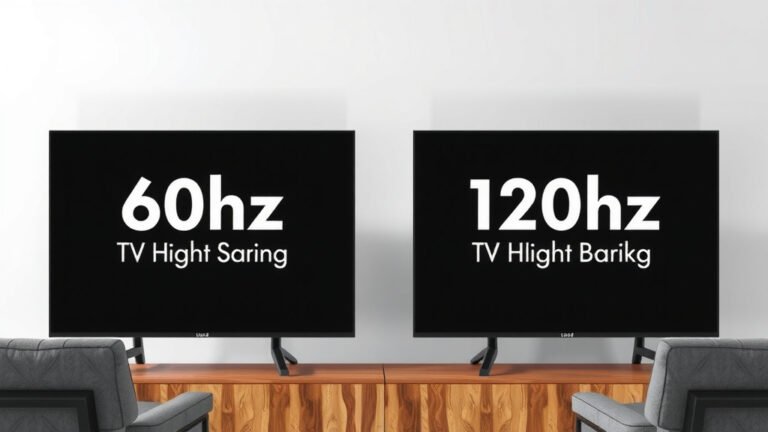
For casual viewing like streaming movies or watching TV shows, a standard refresh rate (like 60Hz) is usually perfectly fine. If you’re a serious gamer or watch a lot of fast-paced sports, a higher refresh rate (120Hz) can make motion look smoother, but it’s not essential for everyone.