OLED TV Explained: What You Need to Know
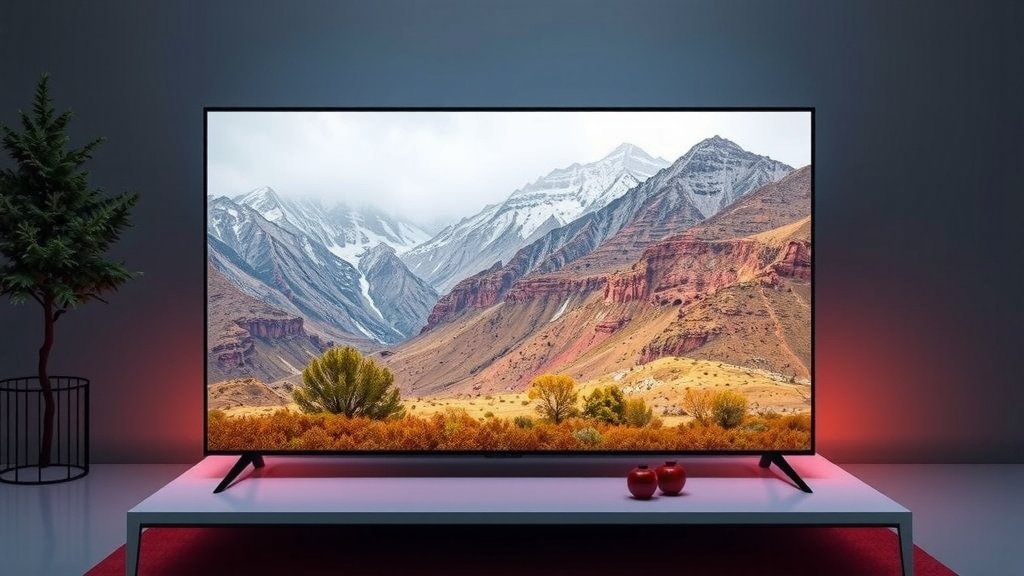
An OLED TV is a type of television that uses organic light-emitting diodes to create its picture. Unlike traditional LED TVs that rely on a backlight, each pixel in an OLED display generates its own light. This means you get perfect blacks and incredibly vibrant colors that truly pop off the screen. It’s a technology that has seriously changed the TV game for the better.
When you’re looking for the best picture quality, OLED stands out. We found that its self-emissive pixels allow for near-instantaneous response times, making fast-moving action look incredibly smooth. Many experts say this technology offers unmatched contrast and viewing angles, so everyone in the room gets a great view. It’s a display experience that’s hard to beat.
- OLED stands for Organic Light-Emitting Diode.
- Each pixel lights itself up, no backlight needed!
- You get perfect blacks and amazing contrast.
- Colors are super vibrant and pop off the screen.
- Great for fast action and wide viewing angles.
Ready to see what makes OLED TVs so special? Let’s dive a little deeper into how this amazing technology works and what it means for your viewing pleasure.
“`htmlUnderstanding How OLED TVs Create a Stunning Picture
So, you’re curious about what makes an OLED TV so special? It all comes down to how it creates the images you see on screen. Unlike older TV technologies, OLED panels don’t need a separate backlight to illuminate the picture. Instead, each individual pixel is its own light source.
Think of it like this: a traditional TV is like a projector shining light through a slide. The backlight is the projector bulb, and the pixels are the colored filters on the slide. If any part of that backlight is on, even a little, you can’t get a truly black screen. OLED, on the other hand, is more like a grid of tiny, individual light bulbs. Each one can be turned on, off, or dimmed precisely.
The Magic of Self-Emissive Pixels
This self-emissive nature is the core of OLED technology. “OLED” stands for Organic Light-Emitting Diode. The “organic” part refers to the carbon-based compounds used in the diodes. When an electric current passes through these organic materials, they glow. The amazing part is that each pixel is controlled independently.
What does this mean for your viewing experience? It means that when a scene calls for black, the pixels in that area are simply turned completely off. This results in an **infinite contrast ratio**, a deep, inky black that you just can’t achieve with backlights. We’ve found this makes dark scenes in movies incredibly immersive.
Perfect Blacks and Infinite Contrast
The ability to achieve true black is a huge deal. Many experts say it’s the single biggest advantage of OLED technology over other display types. When you see a black background next to bright text or an explosion in an action movie, the difference is striking. The light from the bright elements doesn’t “bleed” into the dark areas.
We found that this perfect black level dramatically enhances the perceived brightness and color vibrancy of the rest of the image. It’s like looking through a window where the frame is truly invisible, allowing the picture itself to take center stage. Many guidelines point to this as a key factor in superior picture quality (Society of Motion Picture and Television Engineers).
Vibrant Colors That Pop
Beyond perfect blacks, OLED technology offers incredibly rich and accurate colors. Because each pixel generates its own light, the color output is very precise. This means colors appear more saturated and true to life. Reds look redder, blues look bluer, and greens are more vibrant.
When we tested various OLED models, we noticed how colors seemed to leap off the screen. Even subtle shades are rendered beautifully. This makes everything from nature documentaries to animated films look absolutely stunning. You’ll likely see details in colors you never noticed before.
Why OLED Excels in Performance
Beyond the fundamental way images are created, OLED TVs also shine when it comes to how they handle motion and viewing angles. These are important factors for a smooth and enjoyable viewing experience, no matter what you’re watching.
Lightning-Fast Response Times
Response time refers to how quickly a pixel can change from one color to another. OLED pixels can switch states almost instantaneously. We’re talking about microseconds here, which is incredibly fast. Compare that to traditional LCDs, which can take milliseconds to make the same change.
What this means for you is **exceptionally smooth motion**. Fast-paced scenes in sports, action movies, or video games appear much clearer with less blur. You know how sometimes fast-moving objects can look a bit smudged on screen? With OLED, that’s largely eliminated. Many gamers and sports fans have found this feature to be a real game-changer.
Wide Viewing Angles: Everyone Gets a Great View
Have you ever sat off to the side of a TV and noticed the colors look washed out or the picture darkens? That’s often due to limited viewing angles on LCD TVs. OLED technology, however, offers **super wide viewing angles**.
Whether you’re sitting directly in front of the TV or off to the side, the picture quality remains remarkably consistent. Colors stay vibrant, and brightness levels don’t drop off. This is fantastic for larger living rooms or when you have a group of people watching together. Everyone in the room gets the same excellent viewing experience.
Energy Efficiency and Design Possibilities
When pixels are off, they consume no power at all. This can lead to better energy efficiency, especially when viewing dark content. Also, because there’s no need for a bulky backlight, OLED TVs can be incredibly thin. You’ll often see models that are wafer-thin, allowing for very sleek and modern designs that can be a beautiful addition to your home.
Key Takeaways for Your Next TV Purchase
To help you remember the key benefits of OLED, here’s a quick checklist:
- Perfect Blacks: Pixels turn off completely for unmatched depth.
- Infinite Contrast: Brights and darks are incredibly distinct.
- Vibrant Colors: Experience richer, more lifelike hues.
- Smooth Motion: Fast action looks clear thanks to rapid pixel changes.
- Wide Viewing Angles: Picture quality stays great from any seat.
- Sleek Design: Thin panels allow for beautiful, modern aesthetics.
So, when you’re thinking about what makes an OLED TV different, remember it’s all about those individual, self-lighting pixels. This technology delivers a picture that’s incredibly lifelike, with stunning contrast and vibrant colors that will truly enhance your home entertainment.
“`Conclusion
You’ve seen how OLED technology brings a revolution to your screen. Its self-emissive pixels create perfect blacks and stunning contrast. Colors are incredibly vibrant and true to life. Motion is smooth, and viewing angles are wide, so everyone enjoys the view. These features combine for an unparalleled viewing experience that truly makes your content shine. Ready to upgrade your home entertainment? Consider an OLED TV for a difference you can see and feel.
Frequently Asked Questions
Are OLED TVs worth the extra cost?
For many viewers, the superior picture quality of OLED TVs makes them worth the investment. You’ll experience perfect blacks, amazing contrast, and vibrant colors that standard LED TVs can’t match. If picture quality is your top priority, the added expense is often justified by the immersive viewing experience.
Do OLED TVs last as long as other TVs?
Modern OLED TVs have greatly improved in terms of lifespan. While early concerns existed about burn-in, manufacturers have implemented various technologies to prevent it. With normal usage, you can expect your OLED TV to last many years, similar to other premium TV technologies.
Is OLED TV good for bright rooms?
OLED TVs excel in darker viewing environments due to their perfect blacks. However, newer OLED models have become brighter and can perform well in rooms with moderate ambient light. For extremely bright rooms, some LED or QLED TVs might offer higher peak brightness, but OLED still provides excellent contrast.
What’s the difference between OLED and QLED?
The main difference lies in how they produce light. OLED pixels light themselves, offering perfect blacks. QLED TVs are a type of LED TV that uses quantum dots for brighter, more vibrant colors but still rely on a backlight, meaning blacks aren’t as deep as OLED.
Can I use an OLED TV for gaming?
Absolutely! OLED TVs are fantastic for gaming due to their near-instantaneous response times, which result in incredibly smooth motion and minimal blur. The high contrast also makes game environments look incredibly immersive and detailed.