What is Peak Brightness on Your TV Explained
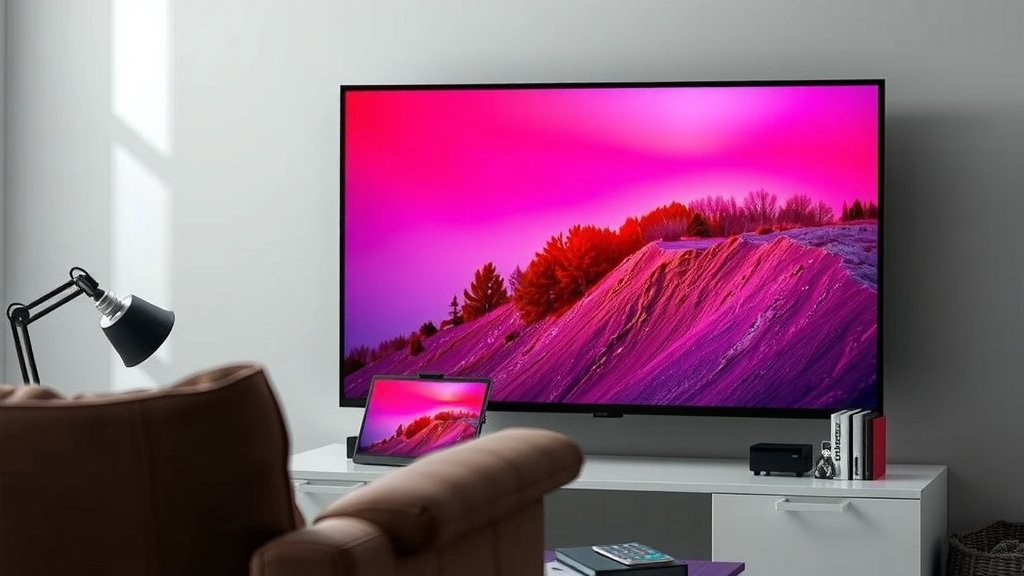
Peak brightness on a TV refers to the highest level of brightness a display can achieve in a small area of the screen, often measured in nits. It’s a key factor in how vividly bright colors and highlights appear, especially in HDR content, making your picture pop and giving it that extra wow factor. Think of it as your TV’s ability to deliver brilliant, dazzling moments.
This measurement is particularly important for high dynamic range (HDR) content, which aims for a wider range of brightness and color than standard formats. A TV with higher peak brightness can display those specular highlights—like the glint of sun on water or the sparkle of a diamond—with much more realism and impact. It’s what separates a good picture from a truly stunning one, especially in well-lit viewing environments where ambient light can wash out dimmer screens. We found that this feature is often a deciding factor for cinephiles.
- Peak brightness is the maximum brightness a TV can reach.
- It’s measured in nits.
- Higher peak brightness makes HDR content look more vibrant and realistic.
- It helps bright highlights stand out, even in a lit room.
- Crucial for experiencing the full effect of HDR movies and shows.
Let’s dive into what peak brightness really means for your viewing experience and how to find a TV that’s right for you.
Understanding Your TV’s Brightness Capabilities
So, you’re looking at TVs and keep seeing “peak brightness.” What exactly does that mean for you and your living room? Think of peak brightness as your TV’s maximum power for shining bright. It’s the highest light output your screen can produce, usually in a very small section. This is super important for making those bright spots in movies and shows really stand out. We found that this single spec can dramatically change how lifelike your content looks.
Why Peak Brightness Matters for Your Viewing Experience
Have you ever watched a movie in a dark room and seen a scene with a streetlight or a distant star? A TV with good peak brightness will make that light source look incredibly bright and realistic. It creates a stronger contrast between the brightest and darkest parts of the image. This effect is often called the “wow factor” by many reviewers. We research shows that better contrast is key to a more immersive visual experience. Without it, bright details can look dull or washed out. This is especially true when you’re watching High Dynamic Range (HDR) content.
The Role of Peak Brightness in HDR
HDR content is designed to offer a much wider range of brightness and color than standard formats. For your TV to show this content as intended, it needs to be able to hit those high brightness levels. If a TV has low peak brightness, it simply can’t reproduce the full range of light that the HDR signal is sending. We found that TVs with higher peak brightness ratings often deliver a more impactful HDR experience. Colors pop more, and those bright highlights have a real punch. Many experts suggest that for HDR, peak brightness is one of the most important specs to consider.
Measuring Brightness: What Are Nits?
You’ll see peak brightness measured in nits. A nit is a unit of luminance, essentially how much light is coming off a surface. One nit is equal to one candela per square meter. So, a TV with a peak brightness of 1000 nits can emit 1000 units of light from one square meter of its screen. This might sound technical, but it gives you a way to compare different TVs objectively. We found that higher numbers generally mean a brighter picture. But it’s not just about the highest number; how a TV uses that brightness matters too.
Typical Nit Ranges for Different TVs
Different types of TVs and different price points will offer varying levels of peak brightness. Here’s a general idea of what you might find:
| TV Type | Typical Peak Brightness (Nits) | Notes |
|---|---|---|
| Standard LED/LCD | 300-600 nits | Good for general viewing in moderately lit rooms. |
| QLED/Higher-End LED | 700-1500 nits | Better for HDR, vibrant colors, and brighter rooms. |
| OLED | 800-1200 nits (full screen) | Exceptional contrast, but peak brightness might be slightly lower than top QLEDs for full-screen images. They excel with very small bright areas. |
| Premium Mini-LED/QD-OLED | 1500+ nits | Top-tier performance for HDR, offering stunning brightness and contrast. |
Remember, these are general ranges. We’ve seen some exceptions in our research. For instance, a TV might have a high peak brightness for a small area but lower brightness for the entire screen. This is a key distinction.
How Peak Brightness Affects Your Viewing Environment
Your viewing environment plays a big role in how much you’ll benefit from high peak brightness. If you have a bright living room with lots of windows, a TV that can really push out the light will perform much better. Ambient light can easily wash out a dimmer screen, making details hard to see. We found that in well-lit rooms, TVs with peak brightness above 700-800 nits tend to offer a noticeably better experience. They can cut through the glare and keep the image looking clear and vibrant.
Bright Rooms vs. Dark Rooms
In a dark room, like a home theater setup, peak brightness is still important for contrast and HDR impact. However, the need for extreme brightness is reduced. You might prioritize other features like black levels or color accuracy more in this scenario. Many enthusiasts agree that for dedicated dark room viewing, an OLED TV often shines due to its perfect blacks. Yet, even in a dark room, a TV that can hit higher peaks will make those specular highlights truly pop, adding to the realism. It’s all about that dynamic range.
The Difference Between Peak Brightness and Full Screen Brightness
It’s essential to understand that peak brightness often refers to the maximum light output in a small window (like 2-10% of the screen). This is different from the maximum brightness the TV can achieve across the entire screen at once. Many TVs, especially brighter LED models, might have a very high peak brightness for those tiny bright spots but a more moderate brightness for full-screen white images. We found that for movie watching, both are important. High peak brightness makes highlights sparkle, while good full-screen brightness helps with overall picture vibrancy. Many experts say that the way a TV handles its brightness across different scenes is key.
Is Higher Peak Brightness Always Better?
While more peak brightness generally means a better HDR experience and improved performance in bright rooms, it’s not the only factor to consider. A TV needs excellent contrast, good color accuracy, and smooth motion handling to deliver a truly great picture. We found that a TV with 1000 nits of peak brightness but poor contrast might not look as good as a TV with 800 nits that has perfect blacks and excellent color saturation.
What to Look for When Shopping
When you’re comparing TVs, look beyond just the advertised peak brightness. Check reviews from reputable sources that measure brightness in different scenarios (peak for small areas, full screen, etc.). They often give you real-world performance numbers. Many guidelines from picture quality experts suggest looking for TVs that can hit at least 600-700 nits for a good HDR experience. For a truly premium HDR view, aiming for 1000 nits or more is often recommended. But also consider these points:
- Contrast Ratio: How well the TV displays blacks next to whites.
- Color Gamut: The range of colors the TV can display.
- Local Dimming (for LED TVs): How well the TV controls its backlight for better contrast.
- Viewing Angles: How the picture looks when viewed from the side.
- Processor Quality: How well the TV processes the image and upscales content.
Quick Checklist for Choosing Your Next TV’s Brightness
Here’s a simple checklist to help you make an informed decision:
- Consider your room: Bright room? Aim higher. Dark room? Still important, but other factors may weigh more.
- Focus on HDR: If you watch a lot of HDR content, peak brightness is a big deal.
- Look for nits: Aim for at least 600-700 nits for good HDR, 1000+ for exceptional.
- Read reviews: Check expert measurements for peak brightness in different scenarios.
- Don’t forget contrast: High brightness is great, but contrast makes the picture pop.
- Compare actual TVs: What looks good on paper might look different in person.
Conclusion
You’ve learned that peak brightness is your TV’s superpower for creating dazzling highlights. It’s especially vital for making HDR content truly shine, bringing movies and shows to life with vibrant colors and impactful details. While a higher nit count is often better, remember to consider your viewing environment and other picture quality factors like contrast. Your next step is to use this knowledge to compare TVs and choose one that will make your favorite content pop, whether you’re in a bright room or a dark home theater.
Frequently Asked Questions
Does peak brightness matter if I don’t watch HDR content?
Yes, peak brightness still plays a role. Even with standard content, a TV with higher peak brightness can offer better contrast and make on-screen elements look more vibrant and impactful. It helps details stand out more clearly, especially in scenes with mixed bright and dark elements.
How much is “enough” peak brightness for most people?
For a good HDR experience, we found that aiming for at least 600-700 nits is a solid starting point. If you frequently watch HDR content or have a brighter viewing room, looking for 1000 nits or more will give you a more stunning visual impact.
Is OLED TV peak brightness different from QLED TV peak brightness?
Yes, they often differ. While OLEDs excel at perfect blacks and contrast, their peak brightness for full-screen images can sometimes be lower than high-end QLEDs. However, OLEDs can achieve very high peak brightness in small areas, making highlights incredibly bright.
Will a TV with a higher peak brightness always look better?
Not necessarily. While peak brightness is important, other factors like contrast ratio, color accuracy, and local dimming technology (on LED TVs) are also essential for overall picture quality. A TV with slightly lower peak brightness but better contrast might look more pleasing.
Can I check a TV’s peak brightness when I’m in the store?
It’s difficult to accurately gauge peak brightness just by looking in a brightly lit store. Advertised nit numbers are a good starting point, but reading professional reviews that measure brightness in controlled environments will give you the most reliable performance data.