How to Recycle an Old TV Responsibly in 2026
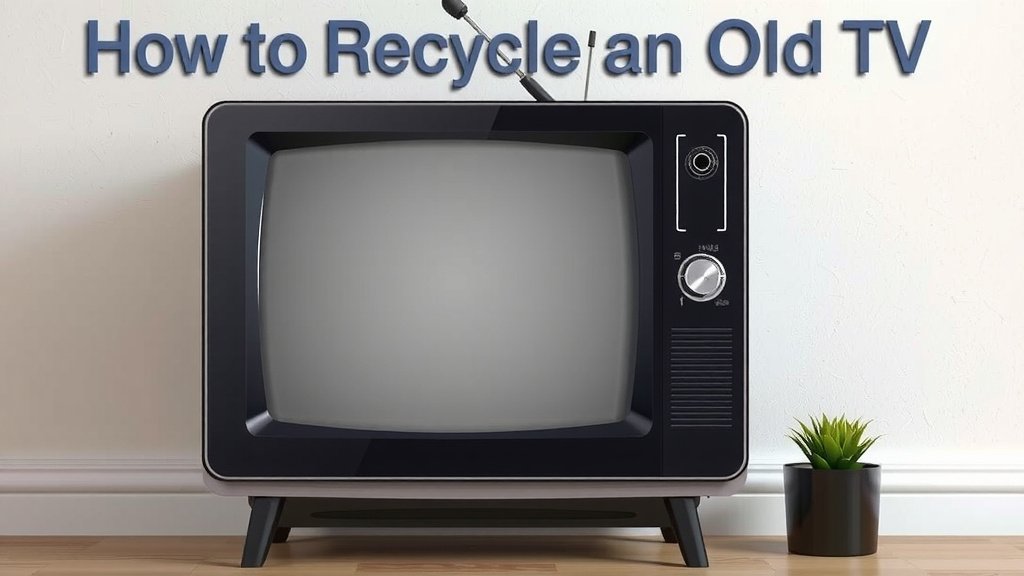
Recycling your old TV is a smart move for both your home and the environment. You can recycle an old TV by taking it to a certified e-waste recycler or a local recycling center that accepts electronics. Many retailers also offer recycling programs for old TVs when you purchase a new one, making it easier than ever to dispose of it responsibly. Don’t just toss it in the trash; these devices contain materials that need special handling.
Old televisions, especially older CRT models, contain hazardous materials like lead and mercury. Proper recycling ensures these harmful substances are kept out of landfills and groundwater. By choosing a responsible recycling option, you’re helping to recover valuable materials like glass, plastic, and metals for reuse. We found that many communities offer convenient drop-off locations, so finding a place to recycle is usually quite manageable.
Here’s a quick rundown of how to recycle your old TV:
- Find a local e-waste recycler or recycling center.
- Check if your TV retailer offers a take-back program.
- Some communities have special collection events.
- Never put old TVs in your regular trash bin.
Let’s walk through your best options for recycling that old TV and what you need to know before you go.
Your Guide to Responsible TV Disposal
So, you’ve got an old TV gathering dust. Maybe it’s a relic from the CRT era, or perhaps it’s just an outdated flat-screen that’s been replaced. Whatever the reason, you’re probably wondering what to do with it. Tossing it in the garbage isn’t an option because these devices contain materials that need special handling. We’re here to help you navigate the best ways to recycle your old TV responsibly.
Why Recycling Your TV Matters
Recycling your old television is more than just decluttering. It’s about protecting our environment and conserving resources. Older televisions, especially those bulky CRT models, often contain hazardous materials like lead and mercury. These substances can leach into the soil and water if they end up in a landfill. Many guidelines point to responsible e-waste recycling as the best way to prevent this environmental contamination (Environmental Protection Agency).
Beyond hazardous materials, your old TV is also a treasure trove of recyclable components. Think glass, plastics, and various metals. Recycling facilities can safely extract these materials and give them a new life. This process reduces the need to mine for new raw materials, saving energy and lowering your carbon footprint. It’s a win-win for your home and the planet.
Finding a Certified E-Waste Recycler
The most direct and often the best way to recycle your TV is to find a certified e-waste recycler. These facilities are specifically equipped to handle electronic waste safely and legally. They follow strict regulations to ensure hazardous materials are managed correctly.
What to Look for in a Recycler
When searching for a recycler, look for certifications like R2 (Responsible Recycling) or e-Stewards. These certifications mean the recycler meets high environmental and safety standards. You can usually find lists of certified recyclers on your state’s environmental agency website or through industry associations. We found that many of these organizations offer online tools to help you locate a facility near you.
It’s also a good idea to check if the recycler charges a fee. Some might have a small charge, especially for older CRT TVs, to cover the cost of handling the hazardous materials. This fee is usually quite reasonable and well worth it for proper disposal. Don’t hesitate to call ahead and ask about their policies and what types of TVs they accept.
Local Recycling Centers and Municipal Programs
Many local governments and municipalities offer electronics recycling programs. These can be a convenient and often free option for residents. You might find dedicated drop-off centers or occasional collection events in your community.
Checking Your Community’s Resources
Your city or county’s website is usually the best place to start. Search for terms like “electronics recycling,” “e-waste drop-off,” or “hazardous waste disposal.” You might be surprised at the resources available right in your area. We discovered that many local programs partner with certified recyclers, so you can be assured of responsible handling.
Some communities hold special collection days a few times a year. These events are perfect for clearing out old electronics. Keep an eye on local news, community boards, or your municipal website for announcements about these events. It’s a fantastic way to get rid of multiple electronic items at once.
Retailer Take-Back Programs
When you’re in the market for a new TV, don’t forget to ask about retailer take-back programs. Many major electronics retailers offer to take your old TV when you purchase a new one. This is incredibly convenient, as they often handle the transportation for you.
How Retailer Programs Work
Policies vary by retailer. Some might offer free removal for large-screen TVs or charge a small fee. Others may only accept TVs if you’re buying a replacement from their store. It’s essential to ask about their specific program when you’re shopping for your new television. We recommend checking the websites of large electronics chains and big-box stores for details on their recycling initiatives.
Some manufacturers also have their own mail-back or drop-off recycling programs for their products. While this might be less common for large items like TVs, it’s always worth checking the manufacturer’s website for any available options. This can be a great solution if you can’t find a local recycler or retailer program.
What About Older CRT TVs?
Those old, bulky cathode ray tube (CRT) televisions require special attention. They contain a significant amount of lead in the glass. Because of this, many standard recycling centers or curbside programs do not accept them. You’ll likely need to find a specialized e-waste recycler or a municipal hazardous waste facility that specifically handles these older units.
Special Considerations for CRTs
The cost to recycle a CRT TV might be slightly higher than for a flat-screen. This is due to the specialized handling and disposal requirements for the leaded glass. But remember, this cost ensures the hazardous materials are managed safely. We found that checking with your local household hazardous waste (HHW) collection site is often the best first step for CRT TVs.
Preparing Your TV for Recycling
Before you drop off your TV, there are a few simple steps you should take. Most recyclers will ask you to remove any accessories. This includes the power cord, remote control, and any stand or mounting hardware. Some of these items may be recyclable separately or have different disposal requirements.
Data Security for Smart TVs
If your TV is a smart TV or has any data storage capabilities, it’s crucial to perform a factory reset. You want to ensure all your personal information is wiped clean before recycling. You can usually find instructions on how to do this in your TV’s user manual or by searching online for your specific model. Protecting your privacy is as important as environmental protection!
What NOT to Do with Your Old TV
We cannot stress this enough: do not put your old TV in your regular household trash or recycling bin. Curbside recycling programs are typically not equipped to handle the complex materials and potential hazards found in televisions. Landfills are not the right place for electronics. Improper disposal can lead to environmental damage and potential fines in some areas.
Understanding E-Waste Regulations
Many states and local municipalities have specific regulations regarding electronic waste disposal. These rules are in place to encourage responsible recycling and prevent harmful materials from entering the environment. Familiarize yourself with your local e-waste laws to ensure you’re complying with all requirements. Ignoring these regulations can sometimes result in penalties.
A Quick Checklist Before You Go
Ready to get that old TV out of your hair? Here’s a handy checklist to make the process smooth:
- Confirm your TV type: CRT or flat-screen? This affects where you can take it.
- Find a recycling location: Certified e-waste recycler, local center, or retailer program.
- Check acceptance policies: Ensure they accept your TV model and condition.
- Inquire about fees: Be prepared for potential small charges, especially for CRTs.
- Prepare your TV: Remove cords, accessories, and factory reset smart TVs.
- Verify transportation: Will you drop it off, or do they offer pickup?
Conclusion
You’ve learned that responsibly recycling your old TV is simpler than you might think. Whether you choose a certified e-waste facility, a local municipal program, or a retailer’s take-back service, your old television can be handled safely. By taking these steps, you’re helping to prevent harmful materials from entering our environment and allowing valuable resources to be reclaimed. Your next step is to check your local resources online to find the closest and most convenient recycling option for your old TV.
Frequently Asked Questions
Do I have to pay to recycle my old TV?
Sometimes there’s a small fee, especially for older CRT TVs. This fee helps cover the costs of safely handling hazardous materials like lead. Many local programs or retailer take-back initiatives offer free recycling, so it’s always worth checking around.
Can I just put my old TV on the curb?
No, you should never put an old TV in your regular trash or curbside recycling bin. These items contain hazardous components that require special processing. Doing so can lead to environmental damage and may even result in fines in some areas.
What should I do if my TV is a smart TV?
Before recycling a smart TV, it’s essential to perform a factory reset. This wipes your personal data and protects your privacy. You can usually find instructions for this in your TV’s manual or by searching online for your specific model.
Are all recycling centers equipped to handle TVs?
No, not all recycling centers can accept televisions, particularly older CRT models. You’ll need to find a certified e-waste recycler or a municipal program specifically designed for electronics. Always confirm they accept TVs before you go.
What’s the difference between recycling a CRT and a flat-screen TV?
CRT TVs contain leaded glass, which requires more specialized handling and disposal methods than flat-screen TVs. Because of this, CRT recycling might involve a higher fee or require a specific hazardous waste facility. Flat-screen TVs are generally easier to process.