Best TV for Movies: Top Picks for 2026
For the absolute best movie-watching experience at home, you’ll want a TV with Our guide to the best TV for movies can help you find the perfect screen.excellent contrast and deep black levels. This is usually found in OLED TVs, but high-end QLED or Mini-LED TVs can also provide stunning movie performance, especially in brighter rooms. Choosing the right TV for movies often boils down to balancing picture quality with your viewing environment and budget.
When we talk about watching movies, we’re really focused on how a TV handles dark scenes, vibrant colors, and smooth motion. Many experts agree that technologies like OLED excel because each pixel can turn off completely, creating true blacks. We also found that TVs with good HDR (High Dynamic Range) support make a huge difference in bringing out the fine details in both bright and dark areas of the picture, just like the filmmakers intended.
- OLED TVs offer the best contrast and black levels for movies.
- QLED and Mini-LED TVs can also be great, especially in bright rooms.
- Look for good HDR support (HDR10, Dolby Vision) for enhanced detail.
- Consider the size of your room and your budget when deciding.
So, how do you pick the perfect screen to bring the magic of the cinema into your living room? Let’s break down what really matters when you’re looking for your next movie-watching companion.
Finding Your Perfect TV for Movie Nights
When you’re settling in for a movie, you want to feel like you’re right there in the scene. That means getting a TV that can really make those cinematic moments shine. We’ve found that the key ingredients for an amazing movie-watching TV are deep blacks and a high contrast ratio.
Understanding Contrast and Black Levels
Think of contrast as the difference between the brightest white and the darkest black on your screen. A TV with a high contrast ratio can show a much wider range of shades between those extremes. This makes pictures look more realistic and immersive. Deep black levels are essential because many movie scenes take place in dark environments. If a TV can’t show true black, those dark scenes can look gray and washed out. This really takes away from the mood and detail of the film.
Why OLED is Often the Top Choice for Movies
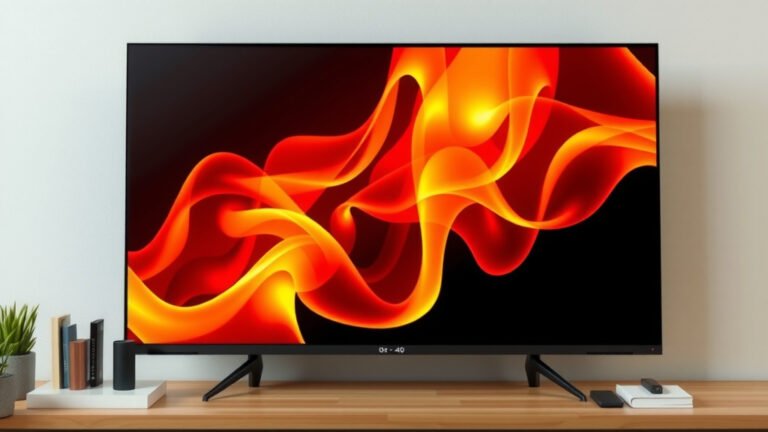
We found that OLED technology is frequently recommended for movie lovers. Why? Because each tiny pixel on an OLED screen can light up or turn off completely on its own. When a pixel is off, it produces a perfect, absolute black. This is called “infinite contrast.”
This ability to achieve true black means that colors pop more vibrantly against the dark background. You’ll notice incredible detail in shadowy areas of the picture that you might miss on other TV types. Many experts agree that for a true cinema-like experience, especially in a dimly lit room, OLED is hard to beat.
When Other Technologies Shine for Movies
While OLED is fantastic, it’s not the only option. If your viewing room gets a lot of natural light, you might want to consider other technologies. High-end QLED and Mini-LED TVs have made huge strides in picture quality.
QLED TVs and Bright Rooms
QLED TVs use quantum dots to produce brighter and more vibrant colors than traditional LED TVs. They can get much brighter than OLEDs. This makes them a great choice if you enjoy watching movies during the day or in a room with lots of windows. They can combat glare effectively.
Mini-LED: A Bright Contender
Mini-LED TVs are a newer innovation. They use thousands of tiny LEDs to backlight the screen. This allows for much finer control over dimming zones. We found that Mini-LED TVs can offer excellent contrast and brightness. They often get very close to OLED’s black levels, especially in brighter settings. They are a strong competitor for movie watching, particularly if you want a larger screen size without the premium cost of some OLEDs.
The Magic of HDR (High Dynamic Range)
No matter which TV technology you choose, look for strong HDR support. HDR expands the range of colors and brightness your TV can display. This means more detail in both the brightest highlights and the darkest shadows of a movie. It’s like turning up the realism knob.
There are a few common HDR formats. HDR10 is the most basic and widely supported. Dolby Vision and HDR10+ are more advanced. They offer dynamic metadata, which means the picture can be adjusted scene by scene, or even shot by shot, for optimal viewing. Many experts recommend looking for TVs that support Dolby Vision for the most consistent and impressive HDR performance.
Screen Size and Your Viewing Space
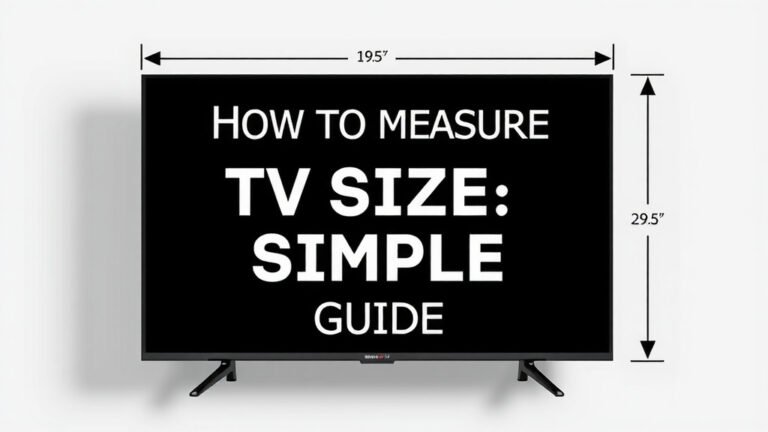
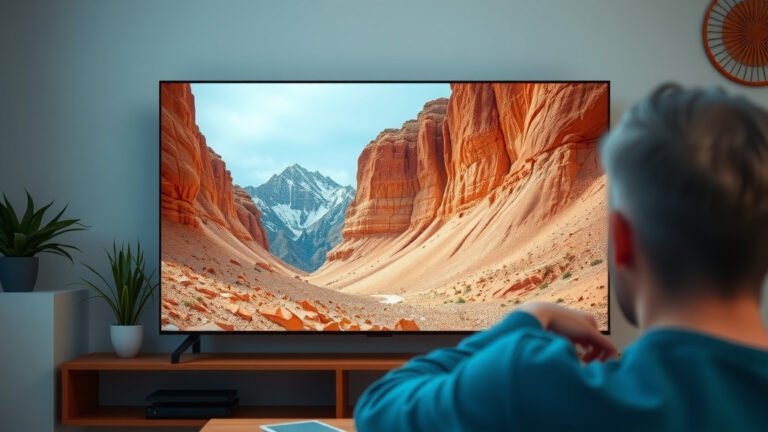
How big should your movie screen be? This really depends on your room and how far away you sit. A general rule of thumb is to sit about 1 to 1.5 times the diagonal screen size away from the TV. For example, for a 65-inch TV, you’d want to be about 5.5 to 8 feet away.
We found that a larger screen can definitely enhance the cinematic feel. However, too large for your space can make the picture look less sharp. Consider the dimensions of your living room. Think about where the TV will be placed. Measure your seating distance. This will help you choose the right size for an immersive experience without feeling overwhelmed.
Sound: Don’t Forget the Audio!
A fantastic picture is only half the battle for movie night. Great sound pulls you into the story. Most built-in TV speakers are decent for casual viewing. However, for a true cinematic experience, you’ll want to consider an external sound system. This could be a soundbar or a full surround-sound setup. To truly enhance your movie experience, consider an external sound system.
We found that even a good soundbar can dramatically improve dialogue clarity and add depth to sound effects. A surround-sound system can place you right in the middle of the action. Look for TVs that support audio formats like Dolby Atmos. This is often a sign of a more premium audio feature set, even if you plan to use external speakers.
Key Features to Look For
When you’re scanning TV specs and reviews for your movie marathon machine, keep these in mind:
- Panel Type: OLED is king for black levels.
- Brightness: Important for HDR and bright rooms (QLED, Mini-LED).
- Contrast Ratio: Aim for high contrast for depth.
- HDR Support: Dolby Vision and HDR10+ are preferred.
- Refresh Rate: Look for 120Hz for smooth motion, especially in action movies.
- Color Accuracy: Wide color gamut means more vibrant, lifelike colors.
Making Your Final Decision
Choosing the best TV for movies is a personal journey. It’s about balancing picture technology with your viewing habits and environment. If you prioritize perfect blacks and contrast, and watch mostly in a dark room, an OLED is likely your top pick.
If you have a brighter room or want a larger screen at a more accessible price point, a high-end QLED or Mini-LED TV could be a fantastic choice. Don’t forget to consider sound quality and screen size. With a little research, you can find a TV that makes every movie night feel like a trip to the cinema.
Conclusion
You’ve now got the key insights to choose your ultimate movie-watching TV. Remember, the best screen for you balances picture quality, especially deep blacks and contrast, with your room’s lighting and your personal preferences. OLED excels in dark rooms, while high-end QLED and Mini-LED are strong contenders for brighter spaces or those seeking excellent performance at a different price point. Don’t forget the importance of HDR support and screen size for true immersion. Your next step is to identify which of these features best aligns with your viewing habits, and then start comparing models within that category. Happy movie watching!
Frequently Asked Questions
Is OLED truly the only good option for watching movies?
No, while OLED is often considered the gold standard for dark-room movie viewing due to its perfect black levels, other technologies can also provide an excellent experience. High-end QLED and Mini-LED TVs offer impressive brightness and contrast that can rival OLED, especially in rooms with ambient light.
How important is HDR support when picking a TV for movies?
HDR support is very important for an immersive movie experience. It significantly expands the range of colors and brightness your TV can display, revealing more detail in both the brightest highlights and darkest shadows. Look for TVs that support advanced formats like Dolby Vision for the best dynamic picture adjustments.
What screen size is best for movies?
The best screen size depends on your room dimensions and seating distance. A common recommendation is to sit about 1 to 1.5 times the diagonal screen size away from the TV. For a more cinematic feel, larger screens are often preferred, but ensure it’s proportional to your viewing space.
Should I worry about refresh rate for watching movies?
While a high refresh rate (like 120Hz) is fantastic for fast-paced gaming and sports, its impact on movie watching is less pronounced. Most movies are filmed at lower frame rates (24fps). However, a higher refresh rate can still contribute to smoother motion in some scenes, especially in action-packed films.
Do I need a separate sound system for movie nights?
While many modern TVs have decent built-in speakers, an external sound system, such as a soundbar or a full surround-sound setup, will dramatically enhance your movie-watching experience. It adds depth, clarity, and an immersive audio dimension that built-in speakers typically cannot match.