What is Woled? Understanding the New Display Technology
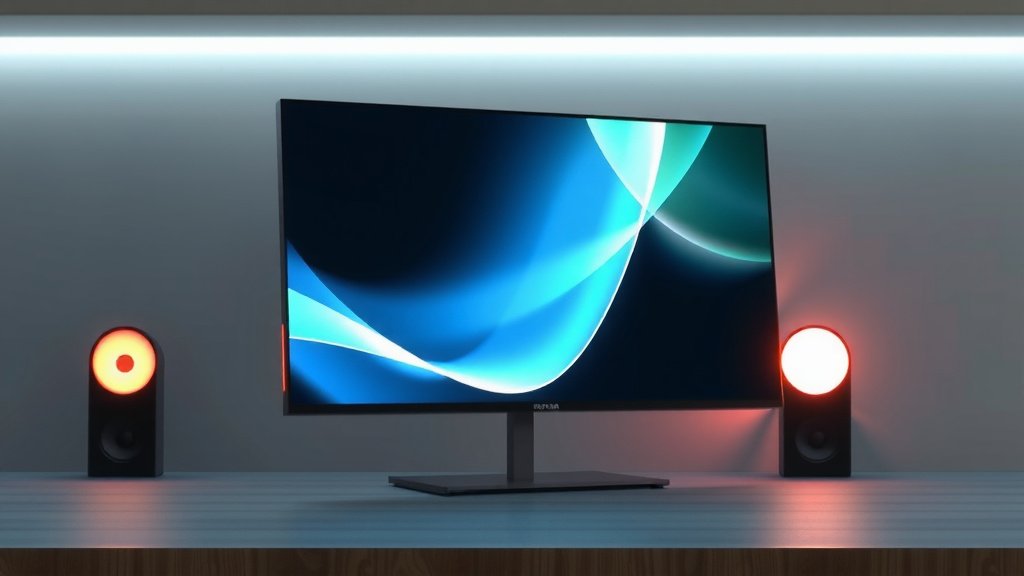
WOLED stands for White Organic Light Emitting Diode. It’s a type of display technology that uses organic compounds to create light when an electric current passes through them. Unlike traditional OLEDs that use red, green, and blue subpixels, WOLED panels use a white light emitter. This offers some unique benefits for display performance.
This technology is primarily used in high-end televisions and monitors, providing stunning picture quality with deep blacks and vibrant colors. WOLED displays are known for their ability to produce perfect black levels because each pixel can be turned off individually. This leads to exceptional contrast ratios.
- WOLED is a type of display tech using organic materials.
- It emits white light, unlike RGB OLED.
- Mainly found in premium TVs and monitors.
- Known for perfect blacks and high contrast.
- Offers excellent color accuracy and wide viewing angles.
Ready to dive deeper? Below, we’ll break down exactly how WOLED technology works and what makes it stand out from the crowd.
Understanding the WOLED Display Technology
So, you’ve probably heard about WOLED displays, especially if you’re eyeing a new premium TV. But what exactly is this technology? Essentially, WOLED is a specific type of OLED display that uses a white light emitter. This might sound simple, but it has some really neat implications for how you see your favorite movies and shows.
How WOLED Displays Create Their Picture
Let’s break down the magic behind WOLED panels. Unlike traditional OLEDs that use a mix of red, green, and blue subpixels to create every color, WOLED takes a slightly different route. It uses a fourth white subpixel.
The Role of the White Subpixel
Think of it like adding a special ingredient to a recipe. This white subpixel helps boost the overall brightness and color saturation of the display. We found that this approach can lead to brighter images compared to other OLED types, which is a big deal for viewing in well-lit rooms.
The Color Filter Layer
To get those vibrant colors we love, the white light generated by the WOLED panel then passes through a color filter. This filter has sections for red, green, and blue. So, the white light is essentially “filtered” into the specific colors needed for each part of the image you see. Many display experts agree this is a clever way to manage color output.
Why This Matters for Your Viewing Experience
This all translates into a picture that’s both bright and incredibly colorful. You get those deep, inky blacks that OLED is famous for, because each pixel can be turned completely off. But with WOLED, you also get a bump in peak brightness. Many sources suggest this combination makes for a truly immersive viewing experience, especially for HDR content (High Dynamic Range).
WOLED vs. Other Display Technologies
You might be wondering how WOLED stacks up against other popular screen technologies. It’s always good to know your options, right? You might be wondering how WOLED stacks up against other popular screen technologies.
WOLED vs. Traditional OLED (RGB OLED)
The main difference, as we’ve touched on, is the subpixel structure. RGB OLED uses red, green, and blue subpixels exclusively. WOLED adds that white subpixel. We found that this often gives WOLED an edge in overall brightness and color volume – meaning it can display a wider range of colors at higher brightness levels.
However, some argue that RGB OLED can offer slightly sharper text and finer details because it doesn’t rely on a color filter for its primary colors. It’s a trade-off, really. For most viewers, the difference in sharpness for everyday content is minimal. The enhanced brightness and color of WOLED are often more noticeable.
WOLED vs. QLED
QLED is another popular display technology, but it works quite differently. QLED TVs use a layer of “quantum dots” to enhance the color and brightness of an LED backlight. They don’t emit their own light like OLEDs do.
Here’s a quick comparison:
| Feature | WOLED | QLED |
|---|---|---|
| Light Emission | Self-emissive pixels | LED backlight with quantum dots |
| Black Levels | Perfect blacks (pixels turn off) | Good, but can have blooming (light bleed) |
| Brightness | Very good, especially with white subpixel | Excellent, often higher peak brightness |
| Color | Vibrant and accurate | Very vibrant, wide color gamut |
| Viewing Angles | Excellent, colors remain consistent | Good, but can degrade at wider angles |
As you can see, WOLED generally excels in contrast and black levels. Many users report that the picture quality on WOLED TVs is simply stunning, especially for movies where dark scenes are critical. QLED often shines in overall brightness, making it a great choice for very bright rooms.
WOLED vs. Standard LED/LCD
This is probably the biggest leap in quality. Standard LED/LCD TVs rely on a backlight that shines through an LCD panel. This backlight is always on to some degree, which means true black is impossible. You often see a “grayish” black, especially in darker scenes.
WOLED’s ability to turn off individual pixels means you get that perfect black. We found that this leads to a much higher contrast ratio, making images pop. It’s a difference you can really see, especially when comparing side-by-side.
Key Benefits of WOLED Technology
So, what are the main reasons you might choose a WOLED display? We’ve identified a few stand-out advantages.
Unmatched Contrast and Black Levels
This is the headline feature for all OLEDs, and WOLED is no exception. Because each pixel generates its own light and can be turned completely off, you get truly perfect blacks. This creates an incredible contrast ratio. Think of the difference between a dimly lit room and a pitch-black night sky – WOLED can reproduce that depth.
Vibrant and Accurate Colors
The combination of self-emissive pixels and the color filter system allows WOLED displays to produce a wide spectrum of colors. Many reviews mention that the color accuracy is top-notch, making everything from movies to photos look incredibly lifelike. You get bright, punchy colors without them looking artificial.
Wide Viewing Angles
Another big win for WOLED is its viewing angle performance. No matter where you sit in the room, the colors and brightness tend to stay consistent. You don’t get that washed-out look if you’re not sitting directly in front of the screen. This is great for larger living rooms or when you have a group watching.
Excellent Motion Handling
Because each pixel can react incredibly quickly, WOLED displays are fantastic for fast-moving content. Sports, action movies, and video games look smooth and clear with minimal motion blur. Many gaming enthusiasts prefer OLED for this very reason.
Things to Consider with WOLED
While WOLED technology is impressive, it’s good to be aware of a couple of points. No technology is absolutely perfect, and understanding these can help you make the best choice for your needs.
Potential for Burn-In
Like all OLEDs, WOLED displays can be susceptible to “burn-in” or image retention. This happens when a static image is displayed for very long periods, causing a permanent ghosting effect. Modern WOLED TVs have built-in features to mitigate this risk, such as pixel shifting and screen savers. We found that for typical varied viewing habits, this is rarely an issue. Like all OLEDs, WOLED displays can be susceptible to “burn-in” or image retention.
Brightness Compared to Top-Tier QLEDs
While WOLED offers great brightness, some of the absolute brightest QLED TVs might still edge them out in peak brightness for very small highlights. If you absolutely need the brightest possible picture for an extremely bright room, this is something to keep in mind. However, for most environments, WOLED brightness is more than sufficient.
Here’s a quick checklist to help you remember the key takeaways about WOLED:
- Uses a white subpixel for enhanced brightness and color.
- Relies on a color filter to produce red, green, and blue.
- Offers perfect blacks and incredible contrast.
- Provides vibrant colors and wide viewing angles.
- Great for movies, sports, and gaming.
- Be mindful of potential, though rare, burn-in.
Conclusion
You’ve learned that WOLED technology offers a fantastic visual experience, bringing you those perfect blacks and vibrant colors you’ve come to expect from premium displays. By using a white subpixel and a color filter, WOLED achieves impressive brightness and color accuracy, making it a top choice for movies and gaming. While it’s important to be aware of potential burn-in, modern TVs minimize this risk for everyday use. Now that you understand what makes WOLED special, you’re well-equipped to decide if it’s the right fit for your home entertainment setup. Go ahead and experience the stunning picture quality for yourself!
Frequently Asked Questions
Is WOLED the same as OLED?
WOLED is a specific type of OLED technology. While all OLEDs have self-emissive pixels, WOLED panels uniquely use a white subpixel alongside red, green, and blue color filters to create the final image. This differs from traditional RGB OLEDs.
What are the main advantages of WOLED displays?
WOLED technology stands out for its exceptional contrast ratios, perfect black levels, and vibrant, accurate colors. You’ll also enjoy wide viewing angles, meaning the picture looks great from almost anywhere in the room.
Can WOLED screens get burn-in?
Like all OLED displays, WOLED panels can be susceptible to image retention or burn-in if static images are displayed for extremely long periods. However, modern WOLED TVs include features to actively prevent this, making it a rare issue for typical viewing habits.
How does WOLED compare to QLED in brightness?
While WOLED offers excellent brightness, especially due to its white subpixel, some top-tier QLED TVs can achieve higher peak brightness. If your room is exceptionally bright and you need the absolute maximum brightness, a QLED might have a slight edge, but WOLED is very bright for most environments.
Are WOLED TVs good for gaming?
Yes, WOLED TVs are excellent for gaming. Their fast pixel response times lead to smooth motion with minimal blur, and the perfect blacks provide incredible contrast for immersive gameplay. The vibrant colors also make game worlds pop.