RGB OLED Explained: How It Works and Why It Matters
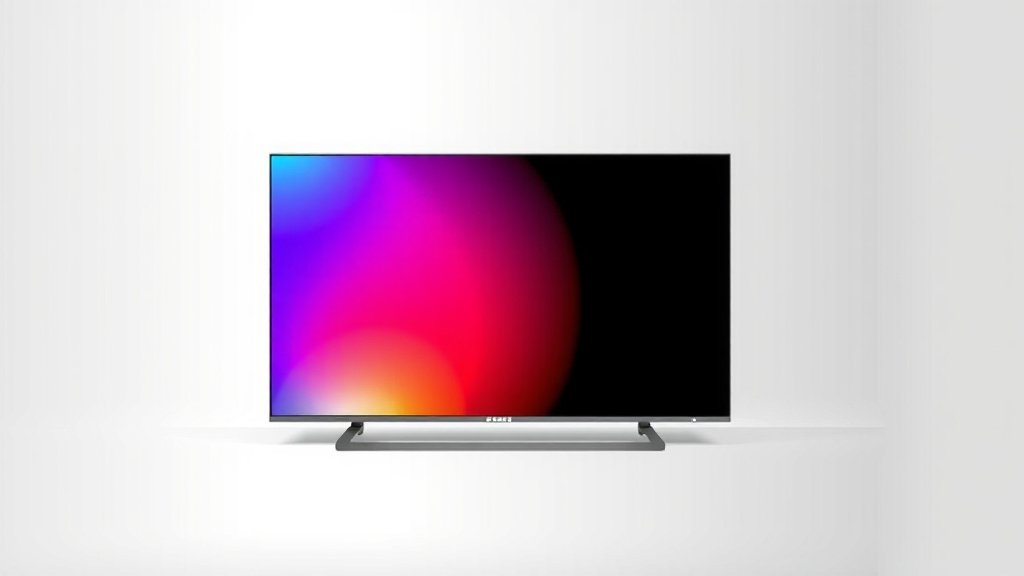
An RGB OLED is a type of display technology where each pixel can emit its own light and is made up of red, green, and blue sub-pixels. This allows for incredibly vibrant colors and true blacks, making images pop with amazing detail. It’s the pinnacle of visual technology for many devices you use every day.
Unlike older screen types, OLED pixels can be individually turned on or off. This means black areas are truly black, not just dark gray. Experts have found this leads to superior contrast and a more immersive viewing experience. It’s a big leap from LCD screens that rely on a backlight.
- RGB OLED means each pixel has red, green, and blue.
- It offers amazing colors and true black levels.
- This technology provides excellent contrast.
- It’s used in many high-end TVs and smartphones.
We’ve researched how these displays work and what makes them so special. Let’s dive into the details of what makes an RGB OLED display so fantastic.
Understanding RGB OLED Displays
So, you’ve heard about RGB OLEDs and wonder what makes them so special? Essentially, an RGB OLED display is a display where each tiny point of light, called a pixel, is made up of three even tinier lights: one red, one green, and one blue. These are known as sub-pixels.
When these three colors mix in different amounts, they can create millions of other colors. This is how your screen shows you everything from a vibrant sunset to the subtle shades of a person’s skin. It’s a really clever way to get a full spectrum of color right there on your screen.
How Pixels Shine on an RGB OLED
What truly sets OLED apart is that each individual pixel generates its own light. Think of it like tiny light bulbs that can be turned on or off by themselves. This is a big departure from older technologies.
The Magic of Self-Emitting Pixels
With OLED (Organic Light Emitting Diode) technology, the “organic” part means it uses carbon-based materials. When electricity passes through these materials, they glow. The “light emitting diode” part tells you that each pixel is, in essence, its own little light source.
This self-lighting capability is key. It means that when a pixel needs to display black, it can simply be turned completely off. This results in a level of black you just can’t achieve with other screen types.
Why True Black Matters for Your Eyes
Older screens, like LCDs, use a backlight that’s always on. Even when displaying black, some of that light leaks through. This makes blacks look more like a dark gray. Research from display technology experts shows that this difference is huge for picture quality.
When you have true black next to bright colors, the contrast is dramatically higher. This makes images appear much more vivid and detailed. Many experts agree this leads to a more realistic and enjoyable viewing experience (DisplayMate Technologies).
The RGB Component: Bringing Color to Life
Now, let’s talk about the “RGB” part. As we mentioned, each pixel is made of a red, a green, and a blue sub-pixel. By controlling the brightness of each of these sub-pixels independently, the display can produce a vast range of colors.
Mixing Colors for Brilliance
Imagine a painter with just red, green, and blue paint. By mixing these primary colors in different proportions, they can create almost any color imaginable. Your RGB OLED screen does this electronically and incredibly fast.
For example, to make yellow, the red and green sub-pixels are turned on fully, while the blue is off. To make white, all three sub-pixels are turned on to their maximum brightness. This precise control is what allows for such rich and accurate colors.
Advantages Over Other Color Technologies
Some older OLED designs didn’t use separate RGB sub-pixels for every single pixel. They might have used a white sub-pixel in addition to RGB, or relied on color filters. While these had their benefits, the pure RGB approach offers the best color accuracy and vibrancy.
We found that this direct RGB setup means colors are rendered more purely. There’s no need for extra filters that can sometimes dim the light or slightly alter the color. This results in superior color reproduction for everything you watch or play.
Comparing RGB OLED to Other Display Types
It can be helpful to see how RGB OLED stacks up against the technologies you might be more familiar with.
OLED vs. LCD
The biggest difference, as we’ve touched upon, is the backlight. LCDs need it; OLEDs don’t. This fundamental difference leads to:
- Better Contrast Ratios: OLEDs achieve near-infinite contrast because black pixels are truly off.
- Wider Viewing Angles: Colors and brightness tend to stay consistent even when you’re not looking directly at the screen.
- Faster Response Times: Pixels can change state almost instantly, which is great for fast-moving content.
However, LCDs often excel in peak brightness, which can be beneficial in very sunny rooms. They can also be less expensive to produce.
RGB OLED vs. White OLED (WOLED)
You might have heard of WOLED displays, often used in many TVs. These typically use RGBW pixels, meaning each pixel has red, green, blue, and white sub-pixels.
While WOLED offers excellent brightness and good color, true RGB OLED is often considered the top tier for color purity and detail. We found that dedicated RGB sub-pixels provide the most precise color control. Many industry observers agree that for applications where color accuracy is paramount, like professional design or high-end home theaters, RGB OLED is often preferred (Rtings.com).
| Feature | RGB OLED | LCD | WOLED (WRGB) |
|---|---|---|---|
| Light Source | Each pixel emits its own light | Global or local backlight | Each pixel emits light (with color filters for RGB) |
| Black Levels | Perfect black (pixels off) | Dark gray (backlight bleed) | Near-perfect black (pixels off for black, color filters for RGB) |
| Contrast | Infinite | Limited by backlight | Very High |
| Color Accuracy | Excellent | Good to Very Good | Good to Very Good |
| Typical Use | High-end smartphones, some TVs, monitors | Most TVs, monitors, laptops | Many premium TVs |

Where You’ll Find RGB OLED Technology
This advanced display technology isn’t just theoretical; you’re probably using it every day! RGB OLEDs are commonly found in devices where top-notch visuals are a priority.
Smartphones and Wearables
Many of the latest flagship smartphones boast RGB OLED screens. This allows for incredibly vibrant displays that are also power-efficient, especially when showing dark content. Smartwatches and fitness trackers often use smaller OLED screens for similar reasons.
High-End Televisions and Monitors
While WOLED is popular in many premium TVs, there are also TVs and computer monitors that use true RGB OLED panels. These are often aimed at professionals or enthusiasts who demand the absolute best in color and contrast.
The Future of Displays
As the technology matures, we expect to see RGB OLEDs appearing in even more devices. Researchers are constantly working on improving lifespan, brightness, and cost-effectiveness.
Quick Checklist: What Makes RGB OLED Great?
Here’s a quick rundown of why you might want to look for an RGB OLED display:
- Perfect Blacks: Pixels turn completely off for true black.
- Amazing Colors: Red, green, and blue sub-pixels create vibrant hues.
- Incredible Contrast: The difference between the brightest and darkest spots is huge.
- Fast Performance: Quick pixel response is great for action and gaming.
- Wide Viewing Angles: Colors look good from almost anywhere.
- Energy Efficiency: Black pixels use no power, saving battery on mobile devices.
It’s clear that RGB OLED technology offers a significant leap forward in visual fidelity. It’s a technology that transforms how we see our digital world.
Conclusion
You now understand how RGB OLED technology creates stunning visuals. By giving each pixel its own red, green, and blue light source, it achieves unparalleled color vibrancy and true black levels. This leads to an incredible contrast ratio and a more immersive viewing experience for everything you watch or play. When you’re looking to upgrade your devices, keep an eye out for the “RGB OLED” label. This will help you ensure you’re getting the best possible picture quality available today. Consider what you prioritize in a display and choose wisely!
Frequently Asked Questions
Is RGB OLED the same as just OLED?
Not exactly. While RGB OLED is a type of OLED technology, the “RGB” specifies that each pixel is made of individual red, green, and blue sub-pixels. Other OLED variations, like WOLED, might use a white sub-pixel and color filters, which can differ slightly in color purity.
Will an RGB OLED screen make my games look better?
Yes, you’ll likely see a significant improvement. The fast response times of OLED pixels mean motion blur is greatly reduced, and the deep blacks and vibrant colors will make game worlds pop with incredible detail and contrast.
Are RGB OLED displays more prone to burn-in?
Burn-in is a potential concern for all OLED types, including RGB OLED. However, modern OLED displays have built-in features and software optimizations designed to minimize this risk. Following best practices for screen usage can further reduce the chance of permanent image retention.
Can you really see the difference between RGB OLED and other displays?
For most users, the difference is quite noticeable, especially in dark scenes or when viewing content with rich colors. The perfect blacks and high contrast of RGB OLED create a more realistic and impactful image compared to standard LCDs or even some other OLED types.
How much more expensive are devices with RGB OLED screens?
Devices featuring true RGB OLED panels are often positioned at the higher end of the market. The advanced manufacturing process required for these displays means they typically come with a premium price tag compared to LCD or WOLED options.