Is HDR Worth It? A Comprehensive Guide
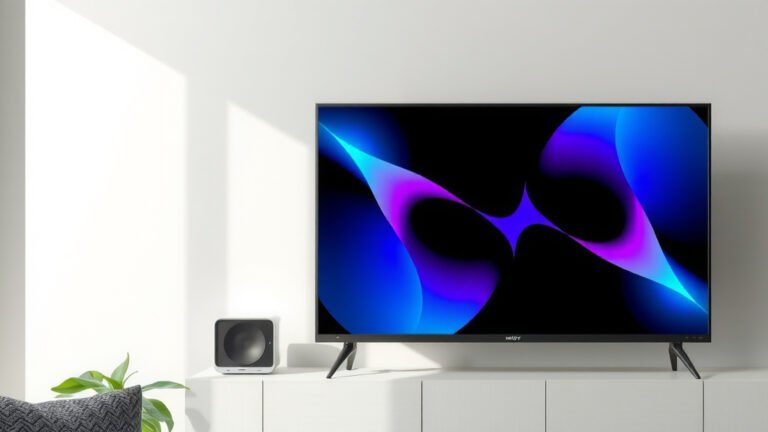
Yes, HDR (High Dynamic Range) is absolutely worth it for your viewing experience, but only if you have the right equipment. It delivers a Our guide explains how HDR works on your TV for a better viewing experience.much brighter picture and a wider range of colors than standard displays. This means you’ll see more detail in both the dark and light areas of your shows and movies, making everything look more realistic and vibrant.
HDR technology is designed to make your content pop. You’ll notice a dramatic difference in contrast and color depth compared to older displays. Many newer TVs and streaming devices support HDR, but it’s the content itself that needs to be mastered in HDR to get the full effect. So, is it worth the upgrade? For many, the answer is a resounding yes.
- HDR makes pictures look more realistic.
- It offers brighter highlights and deeper shadows.
- You’ll see a wider range of colors.
- It requires HDR-compatible devices and content.
- Many people find the upgrade very noticeable.
Let’s break down whether HDR is the right choice for your home theater setup.
So, you’re wondering if HDR is really worth the hype and the potential extra cost for your entertainment setup. It’s a fair question! You see those fancy buzzwords everywhere, but what does it actually *mean* for your movie nights or gaming sessions?
Understanding What Makes HDR So Special
HDR, or High Dynamic Range, is all about making your screen show a picture that looks much more like what your eyes can see in real life.
The Difference Between SDR and HDR
Think of standard dynamic range (SDR) as a good, old-fashioned photograph. It’s nice, but it has its limits. HDR is like stepping into that photograph. SDR content is typically mastered with less bright highlights and a narrower color palette. We’re talking about 100 nits of brightness and about 707,000 colors. HDR content, on the other hand, can hit 1,000 nits or more in brightness and display over 10 million colors. That’s a huge leap!
Brightness Matters: More Than Just “Bright”
When we talk about brightness in HDR, it’s not just about making the whole screen glow brighter. It’s about those intense, dazzling highlights. Imagine the sun glinting off a character’s sunglasses, a bright explosion in an action movie, or the sparkle of distant city lights. In SDR, these bright spots can look washed out or just “white.” HDR makes them pop with detail and realism. We found that this increased brightness range really makes scenes feel more immersive.
Color: A Wider, Richer Palette
Beyond brightness, HDR also brings a wider range of colors. Think about the difference between a basic crayon set and an artist’s professional-grade paints. HDR displays can show more shades of red, green, blue, and all the colors in between. This means you’ll see more subtle variations in skin tones, richer green forests, and more vibrant sunsets. Many studies, including those by display technology experts, point to this expanded color gamut as a key factor in HDR’s appeal.
How HDR Enhances Your Viewing Experience
So, how does this all translate to what you’re actually watching?
Detail in the Shadows and Highlights
One of the biggest benefits of HDR is its ability to show detail in both the very dark and very bright parts of an image simultaneously. In an SDR image, if a scene is very dark, you might lose details in the shadows. If it’s very bright, bright areas can be completely blown out. HDR handles this much better. You can see the texture of a dark cave wall while still seeing the expression on a character’s face illuminated by a torch. We found this makes nighttime scenes or dimly lit interiors feel much more natural and less murky.
A More Lifelike Picture
When you combine the improved brightness, deeper contrast, and wider color range, the result is a picture that looks much closer to what you’d see with your own eyes. It’s less like watching a screen and more like looking through a window. This makes a big difference in how engaging your movies and games feel. Research into human visual perception suggests that wider dynamic range contributes to a greater sense of realism.
Do You Need New Gear for HDR?
This is where things can get a little technical, but we’ll keep it simple. To enjoy HDR, you need a few things to be on the same page.
Your Display Must Support HDR
This is the most critical piece of the puzzle. You need a TV, monitor, or projector that is specifically designed to display HDR content. Look for labels like “HDR10,” “Dolby Vision,” or “HDR Premium” when you’re shopping. A standard SDR display simply cannot show the expanded range of brightness and color that HDR requires. If your current TV is several years old, it likely doesn’t support HDR. Many new TVs, however, come equipped with HDR capabilities, and often the difference is quite striking.
Your Content Needs to Be HDR-Mastered
Just like you can’t hear a symphony on a broken radio, you can’t see HDR on a non-HDR display, even if the content is HDR. The movie, show, or game must have been created and mastered with HDR in mind. Fortunately, more and more content is becoming available in HDR. Streaming services like Netflix, Disney+, and Amazon Prime Video offer a wide selection of HDR titles. Blu-ray discs are also increasingly featuring HDR formats, especially 4K Ultra HD Blu-rays. We found that browsing the HDR sections of streaming apps is a good way to see what’s available.
Your Playback Device Matters Too
The device sending the video signal to your TV also needs to support HDR. This includes streaming devices like Apple TV 4K, Roku Ultra, or NVIDIA SHIELD TV Pro. Your gaming console (like the PlayStation 5 or Xbox Series X/S) also needs to be HDR-compatible if you want to experience HDR gaming. If your streaming device or console doesn’t support HDR, it won’t be able to pass the HDR signal to your TV, even if the TV itself is HDR-capable. Ensure all the components in your setup are speaking the same HDR language.

HDR vs. SDR: A Quick Comparison
Let’s lay out the key differences in a way that’s easy to digest.
Here’s a simple table summarizing the main points:
| Feature | Standard Dynamic Range (SDR) | High Dynamic Range (HDR) |
|---|---|---|
| Brightness | Limited, typically up to 100 nits | Much higher, often 1,000+ nits for highlights |
| Contrast | Lower | Significantly higher, deeper blacks, brighter whites |
| Colors | Narrower color range (Rec. 709) | Wider color range (Rec. 2020), more shades |
| Detail | Can lose detail in very dark or bright areas | Retains detail in both shadows and highlights |
| Realism | Good, but can look “flat” | More lifelike and immersive |
When Is HDR Most Noticeable?
HDR really shines in specific types of content and viewing conditions. You’ll notice it most when watching content that was specifically mastered for HDR. Think of dark, atmospheric thrillers where you need to see subtle details in shadows, or bright, nature documentaries with vibrant landscapes. Even gaming benefits immensely, with better contrast making it easier to spot enemies in dark corners. We found that HDR is particularly impactful in scenes with high contrast, like looking from a bright outdoor scene into a dark room.
Here’s a quick checklist to help you decide if HDR is for you:
- You have an HDR-compatible TV or display.
- You subscribe to streaming services with HDR content.
- You own a 4K Blu-ray player or plan to buy one.
- You want a more lifelike and visually stunning experience.
- You enjoy gaming and want improved visuals.
- You’re looking to get the most out of your entertainment setup.
Conclusion
So, is HDR worth it? Based on what we’ve covered, the answer is a clear yes, provided you have the right setup. HDR transforms your viewing by delivering brighter highlights, deeper blacks, and a vastly expanded color palette. This means more realistic and immersive visuals for your movies, shows, and games. While it requires compatible displays, content, and playback devices, the difference HDR makes is often striking and enhances realism considerably. If you’re looking to get the most visual impact from your entertainment, investing in HDR-compatible gear is a smart move.
Frequently Asked Questions
Will HDR make my old movies look better?
Not directly. For HDR to work, the movie or show itself needs to be mastered in HDR. Older movies are typically in Standard Dynamic Range (SDR) and won’t magically gain HDR benefits. However, many newer streaming services and 4K Blu-rays offer HDR versions of both new and classic films, so you can enjoy them with enhanced visuals.
Is HDR noticeable on smaller screens like a phone or tablet?
While some mobile devices support HDR, the effect is far less dramatic than on a large TV or monitor. The limited size and brightness of smaller screens mean you won’t experience the full impact of HDR’s expanded contrast and color range. It’s primarily designed for larger, more capable display technologies.
Do I need a special HDMI cable for HDR?
For most HDR content, especially 4K HDR, you’ll need an HDMI cable that supports a high bandwidth, often labeled as “High Speed” or “Premium High Speed.” Most newer HDMI cables should work fine, but if you experience issues like flickering or no picture, upgrading to a certified 2.0a or 2.0b HDMI cable is a good first step.
How do I know if my TV is actually showing HDR content?
Many HDR-capable TVs will display an on-screen notification when HDR content is detected, such as “HDR” or “Dolby Vision” in a corner. You can also check your TV’s picture settings; options like “HDR Mode” or specific picture presets might only appear when HDR content is playing. Browsing your streaming app’s HDR sections is also a good indicator.
Is HDR gaming significantly different from HDR movies?
Yes, HDR gaming can be a game-changer! The enhanced contrast and color depth make spotting enemies in dark areas easier and increase immersion dramatically. While movie HDR focuses on the cinematic experience, gaming HDR adds a competitive edge and a more visceral feel to action sequences. Ensure your console, TV, and game all support HDR for the best results.