What is a Mini LED TV? Your Guide to the Latest Display Tech
A Mini LED TV is a type of LED TV that uses a much larger number of smaller LEDs for its backlight. This advanced backlight technology allows for brighter images and deeper blacks than traditional LED TVs. Think of it as a major upgrade in picture quality, giving you a more immersive viewing experience.
Mini LED TVs are designed to offer picture performance that rivals OLED technology. They achieve this by dividing the screen into many more dimming zones. This precise control over brightness and darkness means you get incredible contrast and vibrant colors, making everything from movies to video games pop.
- Mini LED TVs use more, smaller LEDs for backlighting.
- This creates better contrast and brighter screens.
- They offer picture quality close to OLED.
- You get deeper blacks and vibrant colors.
Ready to see the difference Mini LED can make in your living room? Let’s dive into what makes these TVs so special.
Understanding Mini LED TV Technology
So, you’ve heard the buzz about Mini LED TVs, and you’re wondering what makes them different. Essentially, a Mini LED TV is a high-end type of LED TV. Its main upgrade comes from its backlight system. Instead of a few larger LEDs, it uses thousands of tiny LEDs. These are packed much more densely across the screen.
This dense arrangement of tiny LEDs is the secret sauce. It allows for much finer control over the brightness of different parts of the screen. Think of it like a dimmer switch for your TV, but with thousands of individual switches instead of just one. This advanced backlight is what gives Mini LED TVs their impressive picture quality.
How Mini LED Differs from Traditional LED
Traditional LED TVs use a backlight that is less sophisticated. They might have a few zones that can be dimmed or brightened. This can lead to a “blooming” effect. You know, where a bright object on a dark background has a halo around it? That’s because the larger dimming zones can’t isolate the brightness precisely.
Mini LED TVs, on the other hand, have many more dimming zones. We’re talking hundreds or even thousands of zones. This means each zone can control a very small area of the screen. This allows for much deeper blacks because those tiny zones can be completely turned off. It also allows for brighter highlights, making colors pop.
Dimming Zones Explained
Imagine your TV screen is a canvas. In a traditional LED TV, you might have a few large brushes that can paint broad strokes of light and dark. With a Mini LED TV, you have thousands of tiny, precise brushes.
Each one of these tiny LED groups acts as a local dimming zone. The TV’s processor tells each zone exactly how bright or dark it needs to be. This precision is key to creating stunning contrast ratios. Many research papers highlight the importance of local dimming for improving LED TV picture quality (Society of Motion Picture and Television Engineers).
Brightness and Contrast Boost
Because Mini LED TVs can dim specific zones so effectively, they can achieve much higher peak brightness levels. This is great for watching content in brightly lit rooms. It also helps make HDR (High Dynamic Range) content look incredible. You’ll see more detail in both the brightest and darkest parts of the image.
The contrast ratio is also dramatically improved. Contrast is the difference between the brightest white and the darkest black on your screen. A higher contrast ratio means a more dynamic and lifelike image. This is where Mini LED TVs really shine, offering a viewing experience that rivals more expensive technologies.
Mini LED vs. OLED: A Closer Look
You’ve probably heard OLED TVs mentioned in the same breath as Mini LED. Both offer fantastic picture quality, but they achieve it differently. OLED TVs use organic pixels that can light up individually. This means each pixel can be perfectly black.
Mini LED TVs, however, use a backlight. But the sheer number of LEDs and dimming zones allow them to get very close to OLED’s performance. Many reviewers have noted that newer Mini LED models are incredibly competitive with OLEDs in terms of contrast and black levels.
Advantages of Mini LED
Mini LED TVs often offer higher peak brightness than OLED TVs. This makes them a great choice for rooms with a lot of ambient light. They also tend to be less susceptible to burn-in, which is a concern with some OLED panels over the very long term. This reliability is a significant plus for many homeowners.
Research suggests that modern display technologies are constantly pushing boundaries, and Mini LED is a prime example of this innovation (International Committee on Display Metrology).
Where OLED Still Leads
OLED technology, with its per-pixel lighting, still offers technically perfect black levels. This means infinite contrast. For some cinephiles, this absolute black is the ultimate picture quality. Also, OLEDs generally have wider viewing angles. This means the picture looks great even if you’re not sitting directly in front of the TV.
Understanding the Difference in Pixel-Level Control
The core difference lies in how light is produced. OLED pixels emit their own light, so when a pixel is black, it’s truly off. Mini LEDs use a backlight, and while they have many dimming zones, there’s still a very slight chance of light bleed in extreme contrast scenes.
However, the advancements in Mini LED technology mean this difference is becoming harder to spot for the average viewer. The goal for manufacturers is to provide the best possible viewing experience for your home.
Key Features and Benefits to Expect
When you’re looking at a Mini LED TV, what should you be excited about? First, the vibrant colors are a huge draw. The precise control over brightness allows for a wider color gamut and more saturated hues. This makes everything from nature documentaries to animated movies look incredibly vivid.
You’ll also notice a significant improvement in shadow detail. Those dark scenes in movies that used to be muddy and indistinguishable will now have clarity. This brings a new level of depth and realism to whatever you’re watching.
HDR Performance and Impact
High Dynamic Range (HDR) content is where Mini LED TVs truly shine. HDR allows for a greater range of brightness and color compared to standard content. With a Mini LED TV’s ability to produce bright highlights and deep blacks simultaneously, HDR effects are incredibly impactful.
You’ll see more specular highlights, like the glint of sunlight on water or the sparkle of city lights at night. These details make the image feel more three-dimensional and immersive. It’s a difference you can really see and feel.
Gaming and Sports Advantages
For gamers, the benefits are clear. Lower input lag and faster response times, combined with the improved contrast and brightness, make for a more engaging gaming experience. Fast-paced action in sports broadcasts also looks smoother and more detailed, reducing motion blur.
Many gamers and sports fans research display technologies extensively. They often find that Mini LED offers a sweet spot of performance and features for their needs. Consumer reports often cite improved motion handling as a key benefit.
Making the Choice: What to Look For
When you’re shopping for a Mini LED TV, look beyond just the “Mini LED” label. Consider the number of dimming zones. More zones generally mean better performance. Also, check the peak brightness ratings (nits). Higher numbers indicate a brighter screen.
Don’t forget about the smart TV features and the overall design. Think about the size of the screen you need and where it will be placed in your room. Consider your primary uses: movies, gaming, or general TV watching.
Here’s a quick checklist to help you decide:
- Dimming Zones: More is better for contrast.
- Peak Brightness: Look for higher “nits” for HDR.
- Color Accuracy: Check reviews for color performance.
- Refresh Rate: Important for smooth motion (sports/gaming).
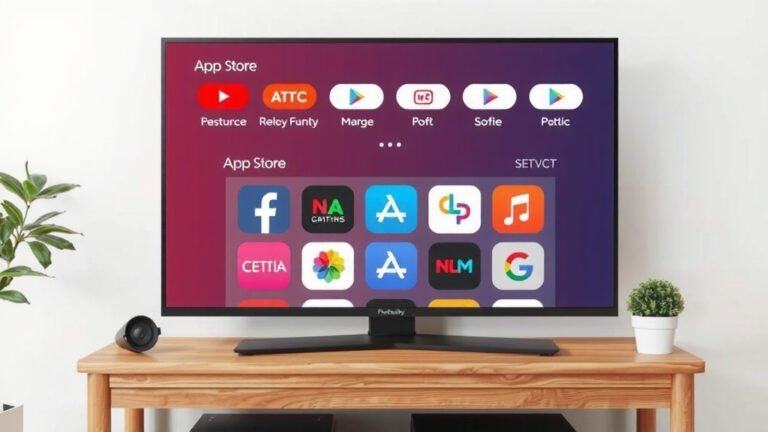
- Smart Features: Ensure it has the apps you use.
- Sound Quality: Consider if you’ll use external speakers.
Conclusion
You’ve learned how Mini LED TVs bring stunning picture quality right into your home. By using thousands of tiny LEDs for backlighting, these TVs offer incredible brightness, deep blacks, and vibrant colors. They provide an immersive viewing experience that rivals more premium options, making them a fantastic choice for movies, sports, and gaming. Now that you know what makes them tick, you’re ready to find the perfect Mini LED TV to enhance your entertainment setup. Start looking for models with plenty of dimming zones and high peak brightness ratings!
Frequently Asked Questions
Are Mini LED TVs worth the extra cost?
Mini LED TVs often come at a higher price point than standard LED TVs. However, research and reviews suggest they offer a significant upgrade in picture quality, especially for HDR content. For many, the improved contrast, brightness, and color accuracy make them a worthwhile investment for a premium viewing experience.
Do Mini LED TVs have better black levels than regular LED TVs?
Yes, Mini LED TVs generally have much better black levels than traditional LED TVs. This is thanks to their vastly increased number of dimming zones. They can dim very small sections of the screen independently, allowing for deeper blacks and reducing the “blooming” effect common in older LED models.
Can Mini LED TVs get as bright as OLED TVs?
Mini LED TVs often achieve higher peak brightness levels than most OLED TVs. This makes them an excellent option for rooms with a lot of ambient light. While OLEDs excel at perfect blacks, Mini LEDs often lead in overall brightness, which enhances HDR content.
Is Mini LED technology suitable for gamers?
Absolutely. Mini LED TVs offer benefits that gamers will appreciate, such as excellent contrast for detailed gameplay and high brightness for immersive visuals. Many models also feature fast response times and high refresh rates, reducing motion blur in fast-paced games and ensuring a smooth experience.
How does Mini LED technology differ from QLED?
Both Mini LED and QLED are types of LED TVs that aim to improve picture quality. QLED typically uses quantum dots to enhance color and brightness. Mini LED specifically focuses on improving the backlight by using a much larger number of smaller LEDs, which allows for more precise local dimming and contrast control.