What Is a Tilting TV Mount and How It Works
A tilting TV mount is a type of wall bracket that lets you angle your television screen up or down. This is super handy for reducing glare from windows or overhead lights. You can also tilt it to get a better viewing angle if your TV is mounted higher than eye level. It’s a simple way to improve your TV watching experience.
These mounts are a popular choice for many living rooms and bedrooms. They offer a sleek look by keeping your TV close to the wall, unlike bulkier full-motion mounts. Many users find them to be a great balance of functionality and simplicity. They’re an easy upgrade for almost any setup.
- A tilting TV mount lets you adjust your TV’s vertical angle.
- It’s ideal for reducing glare and improving viewing angles.
- These mounts offer a clean, wall-hugging look.
- They are a simple and effective TV mounting solution.
We found that understanding how these mounts work is key to choosing the right one for your space. Let’s walk through what makes a tilting mount a smart choice for your home theater.
Understanding the Basics of a Tilting TV Mount
So, you’re looking to get your TV up on the wall, and you’ve heard about tilting mounts. That’s great! A tilting TV mount is a type of wall bracket. It allows you to adjust your TV screen up or down. This might sound simple, but it can make a big difference. It’s a really practical solution for many common viewing challenges.
How Does a Tilting Mount Work?
Think of it like a sturdy arm that holds your TV. This arm connects to the wall plate. It has a special hinge mechanism. This hinge lets you manually tilt the TV. You simply push or pull the screen to your desired angle. Then, you tighten a screw or knob to keep it in place. It’s designed to be easy to adjust, even after installation. We found that most tilting mounts offer a tilt range of about 10 to 15 degrees. This is usually enough to solve most viewing problems.
Key Benefits of Using a Tilting Mount
Why choose a tilting mount over other options? Well, they offer some really clear advantages. The primary reason most people opt for them is to improve their viewing experience. Let’s break down the main perks you’ll enjoy.
Reducing Annoying Glare
Have you ever been watching a movie, and a bright light from a window or a lamp hits your screen? It’s incredibly frustrating! Glare can ruin even the best shows. A tilting mount lets you angle the TV downward. This helps direct the screen away from light sources. You can adjust it so the light bounces off the ceiling or wall instead of your eyes. We found that this simple adjustment makes a huge difference for daytime viewing. A tilting mount lets you angle the TV downward to reduce glare from light sources.
Achieving the Perfect Viewing Angle
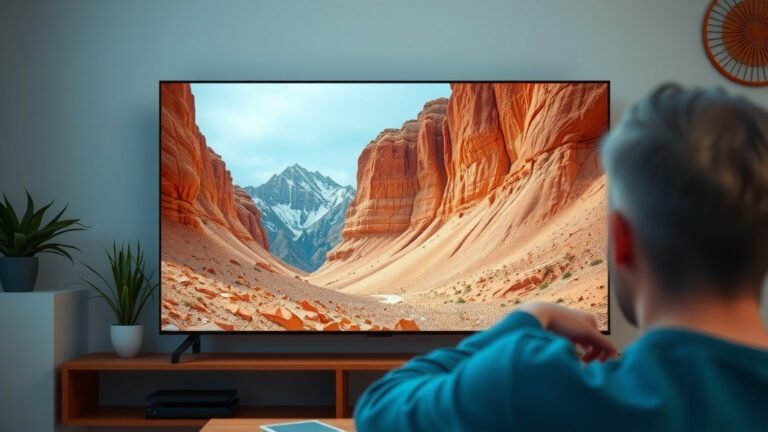
Sometimes, where you need to place your TV isn’t ideal for sitting. Maybe you’re mounting it above a fireplace. Or perhaps you have a tall entertainment center. If your TV is too high, looking up at it for extended periods can be uncomfortable. Tilting the TV down slightly can make it seem like it’s at eye level. This is more comfortable for your neck and back. Many experts suggest that maintaining an eye-level viewing angle is key to a comfortable home theater setup (Cleveland Clinic).
Sleek and Space-Saving Design
Unlike some bulky full-motion mounts, tilting mounts keep your TV very close to the wall. When not adjusted, they sit almost flush. This gives your room a cleaner, more modern look. It also saves valuable floor space. You won’t have a TV sticking out awkwardly. This is especially helpful in smaller apartments or tight living areas. You get a great viewing angle without sacrificing aesthetics.
Simplicity and Ease of Use
Compared to more complex mounts, tilting ones are straightforward. Installation is generally simpler. Adjusting the tilt is also a breeze. You don’t need special tools for most adjustments. This makes them a great choice for DIY enthusiasts or anyone who prefers a less complicated setup. If you’re new to mounting TVs, this can be a less intimidating option.
Comparing Tilting Mounts to Other Types
It’s helpful to know how a tilting mount stacks up against other popular options. This way, you can be sure it’s the right fit for your needs. Each mount type serves a different purpose.
Fixed Mounts vs. Tilting Mounts
A fixed mount is the most basic type. It holds your TV securely against the wall, with no movement at all. It’s ideal if your TV is already at the perfect height and angle. Fixed mounts offer the slimmest profile. However, they offer zero adjustability. If glare is a concern, or your TV is mounted high, a fixed mount won’t help. We found fixed mounts to be the most budget-friendly option.
Tilting Mounts vs. Full-Motion Mounts
Full-motion mounts, often called articulating mounts, are the most versatile. They can extend, retract, swivel, and tilt. They are perfect if you need to adjust your TV in multiple directions. For example, if you watch TV from different spots in a room, or need to angle it around a corner. However, they tend to be more expensive. They also stick out further from the wall when extended. Full-motion mounts require a more robust wall installation due to the added stress. We found that for most standard living rooms, a tilting mount hits the sweet spot.
Here’s a quick comparison to help you visualize:
| Mount Type | Movement | Profile | Best For |
|---|---|---|---|
| Fixed | None | Slimmest | Perfect viewing angle already achieved. |
| Tilting | Up/Down tilt | Close to wall | Reducing glare, high mounting. |
| Full-Motion | Extend, swivel, tilt | Sticks out | Flexible viewing from multiple angles. |
When is a Tilting Mount the Best Choice?
Based on our research, a tilting mount shines in specific scenarios. It’s an excellent choice if your TV is mounted higher than your typical seating eye level. This is common above fireplaces or entertainment centers. If you experience a lot of glare from windows or lights, this mount is your friend. It’s also a fantastic option if you want your TV to sit as close to the wall as possible. You achieve a clean, minimalist look. For most living rooms and bedrooms, it offers a great balance of function and simplicity.
What to Look for in a Tilting Mount
When you’re ready to buy, keep a few things in mind. First, check the weight capacity. Make sure the mount can safely support your TV’s weight. Most mounts list a maximum weight. Also, consider the VESA pattern. This is the universal standard for mounting holes on the back of your TV. Your TV’s VESA pattern must match the mount’s. Look at the tilt range – more degrees offer more flexibility. Finally, check reviews for ease of installation. Many experts suggest looking for mounts made from sturdy steel.
To help you narrow down your search, consider this quick checklist:
- Verify your TV’s weight and VESA pattern.
- Ensure the mount’s weight capacity is higher than your TV.
- Check the maximum tilt angle offered by the mount.
- Read reviews regarding installation difficulty.
- Confirm the mount is designed for your TV size.
- Consider any included hardware or cable management features.
Conclusion
You’ve learned that a tilting TV mount is a smart choice for better viewing. It’s your go-to for reducing glare and fixing high-mounted TV angles. This mount offers a clean look while being easy to use. It strikes a great balance between function and simplicity for most homes. Ready to upgrade your TV setup? Make sure to check your TV’s weight and VESA pattern. Then, select a tilting mount that meets these specs. You’ll be enjoying a glare-free, comfortable viewing experience in no time!
Frequently Asked Questions
Can a tilting TV mount be used for outdoor TVs?
Generally, tilting TV mounts are designed for indoor use. Outdoor environments have different needs, like weather resistance. While some heavy-duty mounts might be suitable, most standard tilting mounts aren’t built for outdoor conditions. It’s best to look for mounts specifically rated for outdoor use if your TV will be exposed to the elements.
How much weight can a tilting TV mount hold?
Weight capacity varies by mount. Most tilting mounts can hold TVs ranging from 50 lbs up to 150 lbs. Always check the mount’s specifications before purchasing. It’s crucial to ensure the mount’s weight limit exceeds your TV’s weight for safety.
Will a tilting mount hold my TV securely in place after adjusting?
Yes, once you set your desired tilt angle, you typically tighten screws or knobs on the mount. This locks the TV in position. We found that properly tightened mounts keep the TV stable. They prevent accidental movement until you decide to adjust it again.
Is installing a tilting TV mount difficult for a beginner?
Installation is usually straightforward. Many kits come with clear instructions and all the necessary hardware. We found that if you can follow a picture-based manual and have basic tools, you can likely install it yourself. Taking your time and reading all instructions is key.
Can I still adjust my TV’s soundbar with a tilting mount?
Most tilting mounts only adjust the TV itself. If you have a soundbar mounted below or above your TV, it won’t move with the tilt. You might need to reposition the soundbar separately to optimize its audio projection. Some specialized mounts offer solutions for soundbar integration, but standard tilting mounts do not.