What Is a Transparent TV? Your Guide to the Future
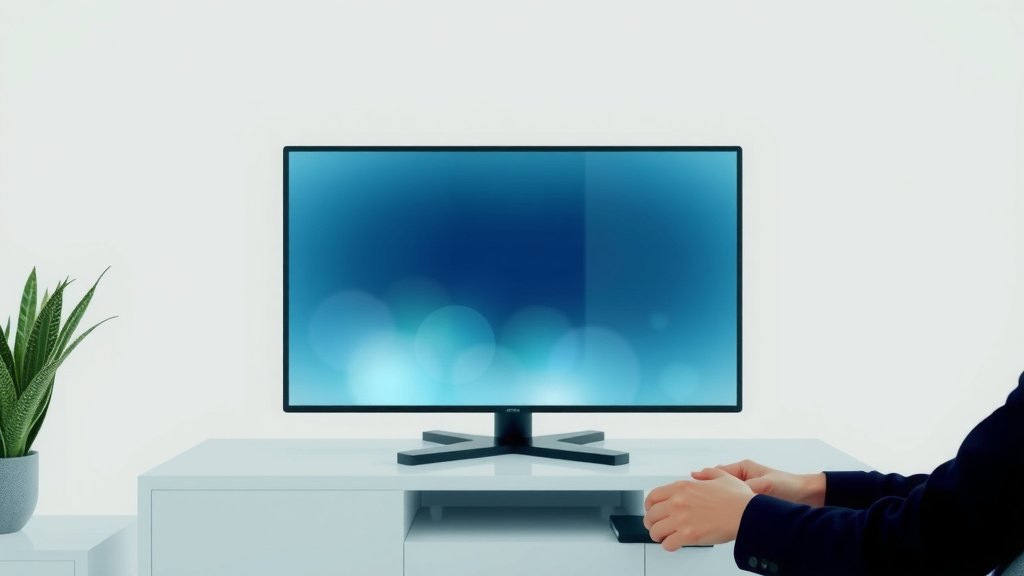
A transparent TV is a television with a screen that can become see-through, allowing you to view what’s behind it. Think of it as a window that also displays your favorite shows! This advanced technology uses special display panels, often OLED, that let light pass through them when they aren’t actively showing an image. It’s a truly innovative way to blend your television into your living space.
This isn’t just a futuristic concept; transparent TVs are becoming a reality, offering unique aesthetic possibilities. They can make a room feel larger by reducing visual clutter. Imagine a large screen that seemingly disappears when not in use, blending perfectly with your decor. Many experts are excited about its potential to change how we integrate technology into our homes, offering a less obtrusive viewing experience.
Here’s what you’ll learn about transparent TVs:
- What makes a TV transparent.
- The technology behind see-through screens.
- How they can enhance your home’s look.
- Potential benefits and drawbacks.
Ready to see through the hype and understand exactly how these transparent TVs work and what they could mean for your home? Let’s dive in!
“`htmlUnderstanding See-Through Televisions
So, what exactly is a transparent TV? It’s a television screen that can become see-through. This means you can look through the screen to see what’s behind it. It’s like having a window that can also display your favorite shows or movies. This innovative technology blends seamlessly into your living space.
How Do Transparent TVs Work?
You might be wondering how a screen can be both a display and a window. The magic lies in the display technology itself. Unlike traditional TVs, transparent models allow light to pass through them when they aren’t actively showing an image. This makes them appear almost invisible.
The Role of Display Technology
The key to transparency is the type of panel used. Most transparent TVs today utilize OLED (Organic Light-Emitting Diode) technology. In OLED panels, each pixel emits its own light. This is different from LCD screens, which require a backlight that always shines through. With OLED, when a pixel is turned off, it’s truly off and doesn’t emit light. This allows light from behind the screen to pass through.
OLED vs. Traditional LCD
Think of an LCD TV screen like a window with a bright lamp constantly behind it. Even if you’re trying to see outside, the lamp is always on. An OLED screen is more like a window where each tiny part of the glass can either glow on its own or become completely clear when it’s not needed. This is why OLED is essential for achieving true transparency.
Achieving Transparency: Pixels and Light
In a transparent OLED panel, the pixels are spaced further apart than in a standard OLED. There’s also less material between the pixels. This design allows more ambient light to pass through the screen. When the TV is on and displaying an image, the light-emitting pixels create the picture you see. When the TV is off or showing a dark scene, those pixels emit very little or no light, making the screen transparent.
The Transparency Level
It’s important to note that not all transparent TVs are perfectly clear like a pane of glass. The level of transparency can vary. We found that most models offer a see-through capability of around 40% to 50%. This means you can still see objects behind the screen, but they might appear slightly dimmed or softened.
Enhancing Your Home’s Aesthetics
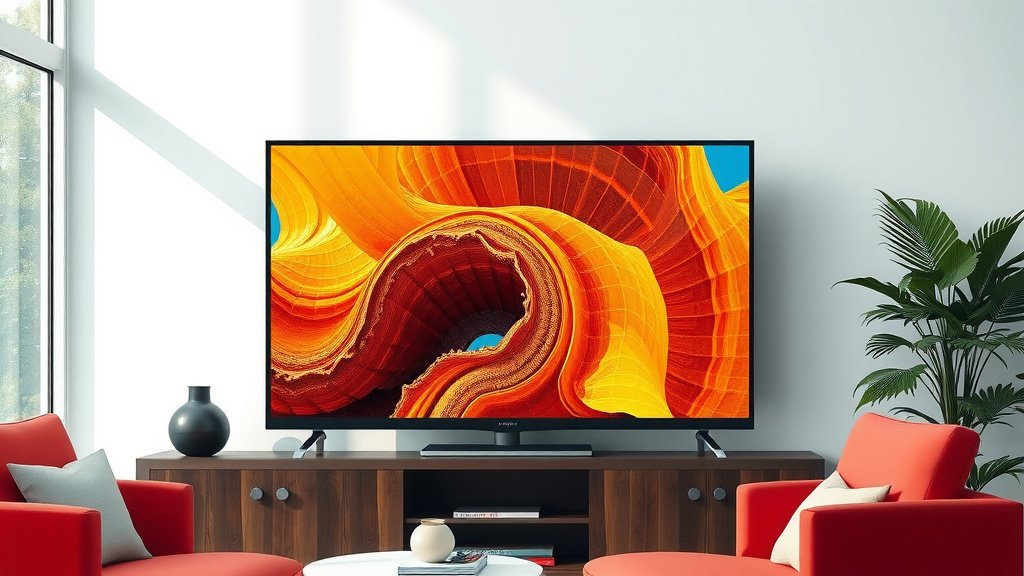
Transparent TVs offer a unique way to integrate technology into your home. They can make your living space feel more open and less cluttered. Imagine a large screen that can disappear when you’re not watching it. This offers a much cleaner look than a traditional black rectangle.
Creating a Sense of Space
In smaller rooms, a bulky TV can dominate the space. A transparent TV can visually disappear, making the room feel larger and more airy. It reduces the visual weight of the television, allowing your decor to shine. Many interior designers are excited about this potential to create minimalist and modern living areas.
Blending with Your Decor
When the TV is off, it can look like a piece of art or a simple glass surface. This allows it to blend effortlessly with your furniture and design style. You won’t have a black void on your wall when the TV isn’t in use. It can even serve as a decorative panel, complementing your room’s ambiance.
Benefits and Potential Drawbacks to Consider
While transparent TVs sound amazing, it’s good to consider both the advantages and disadvantages. This helps you decide if it’s the right fit for your home.
The Advantages You’ll Love
- Aesthetic Appeal: They offer a futuristic and minimalist look that can enhance any room.
- Space-Saving Illusion: They make small spaces feel larger by reducing visual clutter.
- Versatile Placement: They can be placed in more locations without blocking views or feeling intrusive.
- Innovative Design: They represent a new frontier in home entertainment technology.
Things to Keep in Mind
Despite the futuristic appeal, there are a few factors to consider. The picture quality, while good, might not match the absolute best traditional OLED TVs. This is because the panel needs to allow light to pass through, which can affect contrast and black levels slightly. We found that brightness can also be a factor in very well-lit rooms.
Brightness and Contrast Challenges
Transparent screens can sometimes struggle with very bright ambient light. The picture might appear washed out. Similarly, achieving the deep, inky blacks that OLEDs are known for can be more challenging on a transparent panel. It’s a trade-off for the transparency feature. Many experts suggest viewing them in moderately lit environments for the best experience.
Cost and Availability
Currently, transparent TVs are a premium product. They are significantly more expensive than comparable traditional TVs. Availability is also limited, with only a few manufacturers offering them. This high cost is due to the specialized manufacturing processes involved in creating these transparent panels.
A Quick Checklist Before You Buy
Thinking about a transparent TV? Here are a few things to consider:
- Do you have a well-lit or dimly lit viewing space?
- Is budget a primary concern for your next TV purchase?
- How important is maximum possible picture contrast to you?
- Do you prefer a minimalist aesthetic in your home?
- Are you comfortable with the latest, often more expensive, technology?
Conclusion
You’ve learned that transparent TVs are more than just a futuristic dream. They use advanced OLED technology to become see-through, offering a unique way to blend your entertainment with your home’s design. While they create a stunning minimalist look and can make spaces feel larger, it’s good to be aware of potential trade-offs like brightness and contrast in well-lit rooms. If you’re drawn to innovative design and a less intrusive aesthetic, and your budget allows, exploring a transparent TV could be your next exciting home upgrade. Consider your viewing environment and picture quality priorities before making the leap into this visually intriguing technology.
Frequently Asked Questions
Are transparent TVs really invisible when off?
When a transparent TV is off or displaying a very dark scene, it appears largely invisible, allowing you to see through it. However, the panel itself is still present, so it won’t be as crystal clear as a windowpane. You’ll notice a slight tint or reduction in the clarity of what’s behind it.
Can I use a transparent TV in a bright room?
Transparent TVs can be challenging in very bright rooms. The ambient light can make the picture appear washed out. While they offer a unique aesthetic, they are often best suited for moderately lit environments to ensure good picture quality and contrast.
How much do transparent TVs typically cost?
Transparent TVs are currently considered a premium product, meaning they are significantly more expensive than comparable traditional TVs. The specialized manufacturing process for these see-through panels contributes to their higher price point.
Will a transparent TV’s picture quality be as good as a regular OLED TV?
While transparent OLED TVs offer good picture quality, they may not match the absolute peak performance of traditional OLEDs. The design that allows light to pass through can subtly affect contrast and black levels. It’s a trade-off for the transparency feature.
Where can I buy a transparent TV?
Availability for transparent TVs is somewhat limited as they are still a relatively new and high-end technology. You’ll typically find them at major electronics retailers, either online or in select physical stores that carry premium home entertainment systems. It’s wise to check manufacturer websites for the latest models and where they are sold.