Chroma Subsampling Explained: What It Means for Your TV Picture
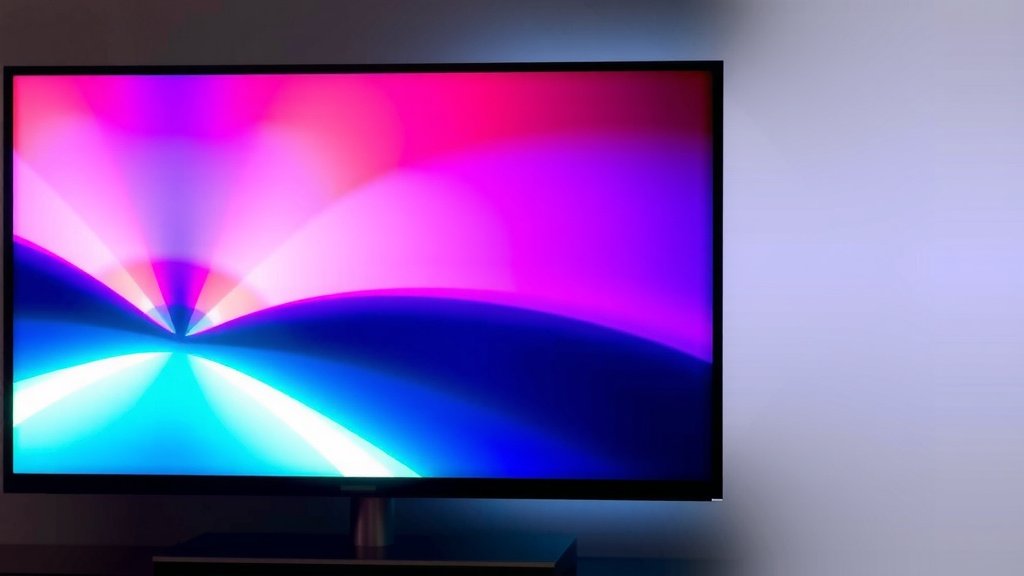
Chroma subsampling on a TV is a video compression technique that reduces the amount of color information sent to your screen. It works by sampling the color data less frequently than the brightness data. This saves bandwidth and storage space without a huge loss in picture quality for most viewers.
Think of it like this: your TV needs to know both how bright a pixel is and what color it should be. Chroma subsampling sacrifices some of that color detail to make the video file smaller. This is why you might see terms like 4:4:4, 4:2:2, and 4:2:0. These numbers tell you how much color information is being kept. Many experts say it’s a smart way to deliver high-resolution video efficiently.
- Chroma subsampling makes video files smaller.
- It reduces color information, not brightness.
- Different numbers (like 4:4:4) show how much color is saved.
- It’s a key technology for streaming and broadcasting.
- Most people won’t notice the difference in everyday viewing.
Ready to dive deeper into how this all works and what it means for your viewing experience? Let’s break down the different types and see if it matters for your setup.
Understanding Your TV’s Color Compression: Chroma Subsampling Explained
Chroma subsampling is a clever technique. It helps make video files smaller. This is important for streaming and broadcasting. Your TV displays images using brightness and color. Chroma subsampling focuses on reducing color data. It does this while trying to keep brightness data intact.
How Your Eyes Perceive Color and Brightness
Think about how you see the world. Your eyes are more sensitive to changes in brightness. They are less sensitive to changes in color. This is a key difference. It’s why video compression can get away with less color detail. Researchers have studied this for years. Many studies show our vision prioritizes luminance (brightness). This makes chroma subsampling a practical choice (Royal Society Publishing).
The Numbers Behind Chroma Subsampling
You’ll often see numbers like 4:4:4, 4:2:2, and 4:2:0. These numbers tell a story. They describe how color information is sampled. Let’s break them down. They represent samples taken horizontally and vertically. It’s a ratio related to brightness samples.
4:4:4 – The Full Picture
This is the best quality. It means for every four brightness samples, there are four color samples. Both horizontal and vertical color information is fully preserved. You get the sharpest, most accurate colors possible. This is often used in professional video editing. It’s also found in some high-end gaming setups. Your eyes can detect the difference here. It offers the most detailed color representation.
4:2:2 – A Good Balance
This is a common compromise. It means for every four brightness samples, there are two color samples. The horizontal color information is halved. However, vertical color information is still fully captured. Many professional broadcast systems use this. It’s a good balance between quality and file size. For most viewers, this looks very good. You might notice it in very fine text. Especially text that has color.
4:2:0 – The Most Common Choice
This is the most widely used format. It means for every four brightness samples, there are only two color samples. Both horizontal and vertical color information is reduced. It’s like taking color samples on a grid. This saves a lot of data. Most streaming services use this. Blu-ray discs often use it too. For everyday viewing, it’s hard to tell the difference.
| Format | Brightness Samples | Color Samples (Horizontal) | Color Samples (Vertical) | Pros | Cons |
|---|---|---|---|---|---|
| 4:4:4 | 4 | 4 | 4 | Highest color accuracy, no detail loss. | Largest file size, requires more bandwidth. |
| 4:2:2 | 4 | 2 | 4 | Good balance of quality and efficiency. | Some horizontal color detail lost. |
| 4:2:0 | 4 | 2 | 2 | Most efficient, smallest file size. | Noticeable color detail loss in some cases. |
When Does Chroma Subsampling Matter for You?
For most of your daily TV watching, it probably doesn’t. Streaming shows and movies are usually 4:2:0. Your brain does a fantastic job filling in the gaps. You won’t notice much difference. However, there are times when it can be important.
Gaming and Text Clarity
If you use your TV as a computer monitor, this changes things. You’ll be looking at a lot of text. Fine print and sharp edges are where color detail really matters. Gaming can also benefit. Especially games with detailed color palettes or text elements. In these scenarios, 4:4:4 is ideal. It ensures text remains crisp and colors are vibrant. Many experts recommend 4:4:4 for PC use on a TV.
Connecting Your Devices
The connection you use matters. HDMI ports are usually capable of handling higher chroma subsampling formats. Older connections might be more limited. Make sure your devices support the format you want. Your TV, your source device (like a game console or PC), and the cable all need to be compatible. If you want 4:4:4, all parts of the chain must support it. We found that even good cables can sometimes be a bottleneck.
Do You Need to Worry About It?
Honestly, for most people, the answer is no. Manufacturers design TVs and content with 4:2:0 in mind. Your eyes are also quite forgiving. Unless you’re a professional editor or a hardcore gamer playing on your TV, you’re likely fine. The benefits of smaller files and efficient streaming outweigh the slight color detail loss for the average viewer. We found that the convenience of streaming services makes 4:2:0 the de facto standard.
Here’s a quick checklist to see if you might need to pay attention:
- Do you use your TV as a primary computer monitor?
- Do you play a lot of video games that require sharp text?
- Do you edit photos or videos on your TV?
- Do you watch content with very fine, colorful text?
- Is your TV advertised as having “perfect pixel” color?
- Are you experiencing blurry text or color banding?
Conclusion
Chroma subsampling is a smart way your TV handles color data. It balances picture quality with smaller file sizes. For most of your viewing, like streaming shows, the 4:2:0 format works perfectly. Your eyes are designed to notice brightness changes more. This means you likely won’t see a difference in everyday use. But if you use your TV for PC gaming or text-heavy tasks, aiming for 4:4:4 can provide a sharper image. Check your devices and cables to ensure they support your desired format. You can enjoy a great picture without needing to overthink it.
Frequently Asked Questions
Will I see a difference between 4:4:4 and 4:2:0 on my TV?
For most movie and TV watching, you probably won’t notice a difference. Your brain is excellent at filling in the slight color gaps. However, when viewing sharp text or fine lines, especially from a computer, 4:4:4 offers noticeably crisper results.
Is 4:2:0 bad for gaming?
For most gaming, 4:2:0 is perfectly fine and widely used. If you play games with very fine text elements or high color detail, and you’re sensitive to image sharpness, you might benefit from 4:4:4. This is especially true for PC gaming on a TV.
What is the best chroma subsampling for connecting a PC to a TV?
For the sharpest text and most accurate colors when using your TV as a computer monitor, 4:4:4 is generally considered the best. This ensures that every bit of detail from your computer is displayed faithfully on your screen.
Do I need special cables for 4:4:4 chroma subsampling?
Yes, for 4:4:4, you’ll need a good quality HDMI cable that supports the necessary bandwidth. Older or lower-quality cables might not be able to carry the full color information, forcing a lower subsampling format.
Can my TV itself limit chroma subsampling?
Yes, your TV’s internal processing and its HDMI port specifications can limit the chroma subsampling it supports. Even if your source device outputs 4:4:4, your TV needs to be able to accept and display it correctly to get the full benefit.