What is Edge Lit Local Dimming? Explained
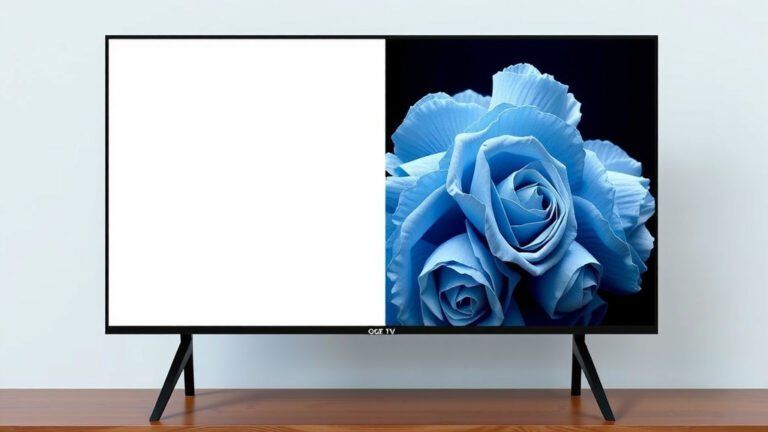
Edge lit local dimming is a display technology that improves contrast on LCD TVs. It works by dimming specific zones of the backlight behind the screen. This makes dark areas of the picture appear much darker, while bright areas stay brilliant.
You’ve probably seen the difference it makes in movies and games. By controlling the light more precisely, it helps create a more realistic and immersive viewing experience. Many people find this technology makes their favorite content pop.
- Edge lit local dimming brightens and darkens parts of your screen.
- It makes dark scenes look deeper and blacker.
- Bright scenes appear more vibrant and eye-catching.
- This tech helps LCD TVs compete with OLED picture quality.
- It’s a smart way to get better contrast without a huge price jump.
Let’s dive into how this clever technology actually works and what it means for your viewing pleasure.
Understanding Edge Lit Local Dimming Technology
Edge lit local dimming is a pretty neat display trick. It helps your LCD TV make pictures look much better. It does this by controlling the lights behind the screen. This means it can make parts of the image very dark and other parts very bright. We’ll break down exactly how this display technology works to improve your viewing experience.
How Does Edge Lit Local Dimming Actually Work?
Think of your TV screen like a sandwich. The front part shows the picture. Behind that, there’s a backlight. This backlight shines through the picture to make it visible. In older or simpler LCD TVs, this backlight is always on at full brightness. This can make dark scenes look a bit gray, even when they should be black.
Edge lit local dimming changes that. Instead of one big light, it uses many smaller lights, or LEDs, arranged along the edges of the screen. These lights are grouped into “zones.” A zone is just a section of the screen that the LEDs can control together. Your TV’s processor then tells these zones what to do based on the image being shown.
The Role of LEDs and Zones
When a dark part of the picture is on your screen, the LEDs in the corresponding zone can dim down. This makes that area of the screen much darker. If a bright part of the picture is shown, the LEDs in that zone can get brighter. This helps colors pop and details stand out.
It’s like having a dimmer switch for different parts of your TV. Instead of just one master switch for the whole room, you can dim the lights over your couch while keeping the reading lamp bright. This allows for a much greater contrast between light and dark elements on the screen.
What Makes It “Local” Dimming?
The “local” part is key here. It means the dimming happens in specific, smaller areas of the screen. This is different from some older technologies where the entire backlight would dim or brighten at once. Local dimming gives the TV more control. It can target specific parts of the image that need to be darker or brighter.
This is where the magic happens for contrast. When you have a scene with a bright star against a dark night sky, edge lit local dimming can make the star shine brightly while making the sky around it very dark. This creates a stunning depth and realism that’s hard to achieve otherwise.
The “Edge Lit” Difference: Placement Matters
Now, about the “edge lit” part. This refers to where those LEDs are placed. In an edge lit system, the LEDs are all around the outer edges of the TV panel. The light then has to travel across the back of the screen to reach the pixels. This light is often bounced and diffused to spread it evenly.
This is different from “full array local dimming,” where LEDs are placed directly behind the entire screen. Full array systems tend to have more zones and can offer even finer control over dimming. However, edge lit systems are often more affordable to manufacture. This makes them a popular choice for many TVs you see on store shelves today.
Challenges with Edge Lit Placement
Because the lights are only at the edges, there can be some challenges. Sometimes, the light might not be perfectly even across the entire screen. You might notice a bit of “blooming” or a halo effect around bright objects on a dark background. This happens when the light from a bright zone spills over slightly into a darker zone.
Manufacturers work hard to minimize these effects. They use special diffusers and light-bending technologies. They also employ advanced algorithms in the TV’s software. These adjustments help the edge lit system perform as well as possible. Many experts agree that despite these challenges, the improvement in contrast is still very noticeable.
Why Should You Care About Better Contrast?
You might be wondering why all this talk about darks and lights matters. It all comes down to picture quality. Contrast is the difference between the darkest black and the brightest white your TV can display.
A TV with good contrast makes images look more lifelike. Dark scenes in movies feel deeper and more atmospheric. Bright scenes have more impact and vibrancy. Details that might get lost in a dull gray background in a poorly contrasted image can really stand out. It makes watching anything more enjoyable and immersive.
Boosting LCD TVs Against the Competition
For a long time, OLED TVs have been praised for their incredible contrast. This is because each pixel in an OLED can turn off completely, creating perfect blacks. Edge lit local dimming is one of the ways LCD TV manufacturers are closing that gap. They’re giving you some of that deep black performance without the higher cost associated with OLEDs.
It’s a clever compromise. You get a much better picture than a standard LED TV. You get deeper blacks and brighter whites. This technology helps your favorite shows and games look more realistic and engaging. Many studies have shown that viewers perceive higher contrast as a sign of better picture quality (DisplayMate Technologies).
Key Benefits of Edge Lit Local Dimming
So, what does this mean for you as a viewer? Let’s sum up the main advantages:
- Deeper Blacks: Dark scenes look richer and more convincing.
- Brighter Whites: Highlights and bright objects have more punch.
- Improved Detail: Subtle details in both dark and bright areas are more visible.
- Enhanced Realism: Pictures look more three-dimensional and lifelike.
- More Engaging Viewing: Movies, sports, and games become more immersive.
What to Look for When Shopping
When you’re looking for a new TV, keep an eye out for descriptions that mention “local dimming.” If it specifies “edge lit,” you’ll know it uses this particular method. You might also see terms like “dynamic contrast ratio” or “slim design,” which often go hand-in-hand with edge lit technologies.
Consider how many dimming zones the TV has. More zones generally mean more precise control and better performance. However, the quality of the dimming algorithms also plays a huge role. A TV with fewer zones but very smart software might look better than one with many zones and poor software.
Putting It All Together
Edge lit local dimming is a smart way to get impressive picture quality from your LCD TV. By controlling the backlight in zones along the edges, it boosts contrast significantly. This leads to a more vibrant and realistic viewing experience.
While it might have some limitations compared to more advanced technologies, it offers a fantastic balance of performance and affordability. It’s a technology that truly enhances how you enjoy your favorite content on screen.
Conclusion
You now understand how edge lit local dimming improves your TV’s picture. By controlling light zones along the screen’s edges, it makes darks darker and brights brighter. This boosts contrast for a more lifelike image. While not always perfect, it’s a smart technology that makes a real difference. Before your next TV purchase, look for this feature. It’s a great way to get a more immersive viewing experience without breaking the bank.
Frequently Asked Questions
Will edge lit local dimming make my TV look like an OLED?
Edge lit local dimming significantly improves contrast on LCD TVs, bringing them closer to OLED picture quality. However, OLEDs offer perfect blacks because each pixel can turn off individually. Edge lit systems still rely on a backlight, so they might show some light bleed or blooming.
What’s the difference between edge lit and full array local dimming?
The main difference is LED placement. Edge lit uses LEDs around the TV’s edges, while full array has LEDs directly behind the entire screen. Full array typically offers more dimming zones and finer control, potentially leading to better performance but often at a higher cost.
Can edge lit local dimming cause halo effects?
Yes, edge lit local dimming can sometimes cause a halo effect or “blooming” around bright objects on dark backgrounds. This happens when the light from a bright zone slightly spills over into darker areas. Manufacturers work to minimize this, but it can still be visible in some content.
Is edge lit local dimming worth the extra cost compared to a TV without it?
For many viewers, the improved contrast offered by edge lit local dimming is absolutely worth it. You’ll notice deeper blacks and more vibrant colors, making movies and games more engaging. It’s often a more affordable way to get a picture quality upgrade compared to higher-end technologies.
How can I tell if a TV has edge lit local dimming?
Look for terms like “local dimming,” “edge lit,” or “slim design” in the TV’s specifications. Retailer websites and product descriptions are good places to check. If the manufacturer highlights improved contrast or deeper blacks, it’s often a sign that local dimming is present.