Understanding Dimming Zones: What They Are and How They Work
A dimming zone is essentially a specific area of your home where you can control the light levels independently. Think of it as a dedicated space where you can adjust brightness without affecting other rooms. This allows for customized lighting moods in each part of your house.
When we talk about dimming zones, we’re often talking about smart home lighting systems. These systems allow you to group lights together. You can then dim them all at once or individually. This is super handy for setting the right atmosphere, whether you’re watching a movie or just relaxing.
- A dimming zone controls lights in a specific area.
- You can adjust brightness for one zone at a time.
- Smart home systems commonly use dimming zones.
- It helps create different moods for different activities.
- Control lights without affecting other parts of your home.
Below, we’ll break down exactly what dimming zones are and how they can work for your home.
Here is the main body content for your blog post about dimming zones:Understanding Your Home’s Lighting Zones
So, what exactly is a dimming zone? Simply put, it’s a group of lights within a particular area of your home. You can control these lights together. This means you can change their brightness independently from other lights. It’s like having a remote control for a specific mood in just one room. Think of your living room, your kitchen, or even a specific corner of your bedroom.
These zones are the building blocks of smart lighting. They let you customize your home’s ambiance. You might want bright light for cooking. Then, later, you might want soft, dim light for watching a movie. Dimming zones make this easy to achieve. You’re not just turning lights on or off. You’re shaping the light in your space.
How Dimming Zones Actually Work
Dimming zones are typically managed by a smart home system or a dedicated lighting control panel. These systems allow you to assign specific lights to a particular zone. Once assigned, you can control that zone as a single unit. Most systems let you dim all the lights within the zone simultaneously.
You can also often control individual lights within a zone. This offers even more granular control. Imagine dimming the main ceiling lights but keeping a small accent lamp at full brightness. This flexibility is what makes dimming zones so powerful for creating specific atmospheres. You’re essentially dividing your home’s lighting into manageable, customizable sections.
The Technology Behind the Glow
Modern dimming zones often rely on smart bulbs and smart switches. These devices communicate wirelessly. They connect to a central hub or directly to your home’s Wi-Fi network. This allows for remote control via an app on your smartphone or tablet.
Some older systems might use wired controls. However, wireless technology is far more common now. It offers greater flexibility in setup. You don’t need to run new wires through your walls. Many experts say this ease of installation is a big reason for the popularity of smart lighting systems (CEDIA).
Setting Up Your First Zone
Setting up a dimming zone usually involves a few key steps:
- Install your smart bulbs or switches in the fixtures you want to control.
- Download the associated app for your smart lighting system.
- Connect your devices to your home Wi-Fi network through the app.
- Group the lights within the app to create your desired zone.
- Name the zone something intuitive, like “Living Room” or “Kitchen Counter.”
Once set up, you can use the app to adjust the brightness of the entire zone with a slider. You can also often create custom “scenes” for different activities. For instance, a “Movie Night” scene might dim the main lights and activate a soft lamp.
Benefits of Using Dimming Zones
Why go through the trouble of setting up dimming zones? The benefits go beyond just convenience. They can actually impact your comfort and even your energy use.
Creating the Perfect Atmosphere
This is perhaps the most obvious benefit. Dimming zones allow you to tailor the mood of any room. For a cozy evening, you can dim lights to a warm glow. For tasks requiring focus, like reading or working, you can increase the brightness. This helps reduce eye strain. Many sleep experts suggest dimming lights in the evening. This can help prepare your body for rest (Cleveland Clinic).
Energy Efficiency and Savings
Dimming lights even a little bit can lead to energy savings. A light bulb dimmed by 25% can use roughly 25% less energy. Over time, this adds up. You’re not just saving electricity; you’re potentially saving money on your utility bills. Smart systems can also be programmed to turn off lights in unused zones automatically. This prevents energy waste.
Enhanced Comfort and Convenience
Imagine walking into a room and having the lights automatically adjust to your preferred setting. This is possible with smart dimming zones. You can set schedules or use motion sensors to trigger specific lighting levels. You can also control lights from anywhere using your smartphone. No more getting out of bed to turn off a light you forgot. It’s about making your home work for you.
Dimming Zones vs. Single-Room Control
It’s easy to confuse dimming zones with simply controlling lights in one room. While they are related, dimming zones offer a more sophisticated approach. A single-room control might just let you dim all the lights in that room together. However, a dimming zone allows for more advanced management.
Granularity and Grouping
Consider a large open-plan living and dining area. You might want the dining area lights dimmed for dinner. Meanwhile, the living room area might need to be brighter for reading. With dimming zones, you can create separate zones for each area. This gives you precise control without affecting adjacent spaces.
Here’s a quick comparison:
| Feature | Single-Room Control | Dimming Zone |
|---|---|---|
| Area of Control | All lights within one designated room. | A specific group of lights, which could span multiple rooms or be a section within a room. |
| Customization | Dim all lights together in the room. | Dim all lights in the zone together, or often control individual lights within the zone separately. |
| Flexibility | Good for basic mood setting in a single space. | Excellent for complex lighting designs, creating distinct moods in different areas, and advanced scenes. |
| Smart Home Integration | Basic integration. | Advanced integration for complex automation and scene creation. |
The Advantage of Micro-Zones
Some smart lighting systems allow for very small, or “micro,” dimming zones. This means you could potentially have a zone for each individual lamp or fixture. This level of control is fantastic for interior designers or homeowners who love to play with lighting effects. You can create dramatic contrasts or subtle shifts in brightness across a single wall.
Common Places to Implement Dimming Zones
Where do dimming zones make the most sense in your home? Here are a few popular spots:
- Living Room: Create a cozy “movie mode” or a bright “reading mode.”
- Kitchen: Dim accent lights under cabinets while keeping task lighting bright.
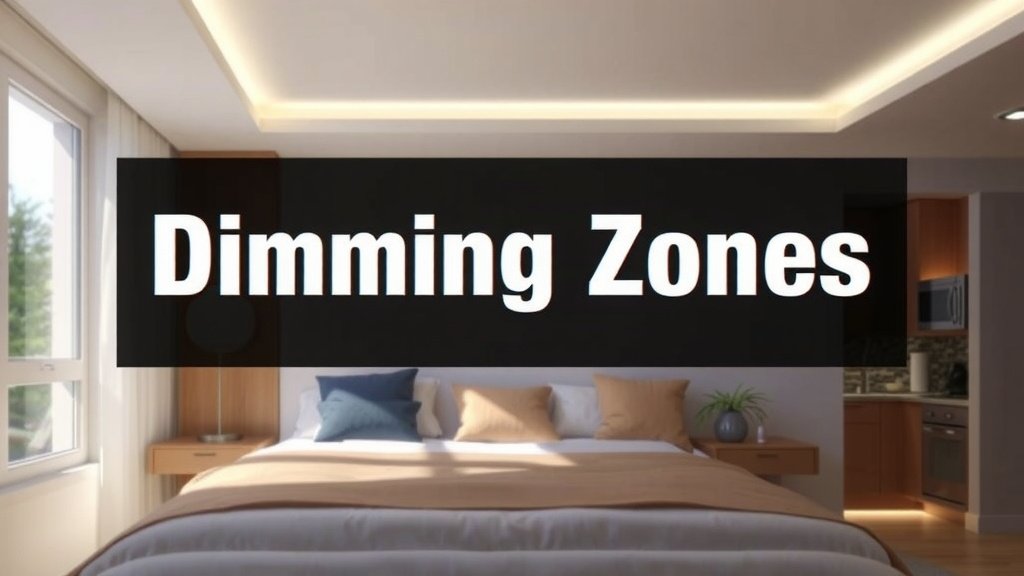
- Bedroom: Soft, dim lighting for winding down before sleep.
- Dining Room: Perfect for setting the mood for dinner parties.
- Home Office: Adjust lighting for video calls or focused work.
- Outdoor Patio: Control ambient lighting for evening gatherings.
By thinking about how you use each space, you can decide where dimming zones will bring you the most benefit. It’s all about making your home more comfortable and functional for your lifestyle.
Conclusion
You’ve learned that a dimming zone is more than just a light switch. It’s your key to crafting the perfect atmosphere in any part of your home. By grouping lights, you gain the power to set distinct moods, whether you’re working, relaxing, or entertaining. This smart approach not only enhances your comfort but can also lead to energy savings. Ready to transform your living space? Start by identifying one area, like your living room, and explore smart bulbs or switches that can help you create your very first dimming zone.
Frequently Asked Questions
Can I create a dimming zone without a smart home hub?
Yes, many modern smart lighting systems allow you to create dimming zones directly through their mobile apps. You’ll connect your smart bulbs or switches to your home’s Wi-Fi. Then, you can group them into zones within the app itself, often without needing a separate central hub.
How do dimming zones help with energy efficiency?
Dimming lights, even by a small amount, reduces their energy consumption. When you dim lights in a zone, you’re using less electricity. Additionally, smart systems can often be programmed to turn off zones automatically when not in use, further preventing wasted energy.
What’s the difference between a dimming zone and a smart switch?
A smart switch controls a light fixture or a group of fixtures. A dimming zone is a conceptual grouping of lights, often managed by smart switches or bulbs, that allows you to control their brightness independently. You can use multiple smart switches to create one dimming zone.
Can I control individual lights within a dimming zone?
Many advanced smart lighting systems offer this capability. While you can dim all lights in a zone simultaneously, you often have the option to adjust the brightness of specific lights within that zone. This provides a very high level of control over your home’s lighting.
Is it difficult to set up a dimming zone in my home?
Setting up a dimming zone is generally straightforward, especially with wireless smart lighting. It typically involves installing smart bulbs or switches, downloading an app, connecting your devices to your Wi-Fi, and then grouping those lights within the app to define your zone.