Understanding TV Viewing Angle: What You Need to Know
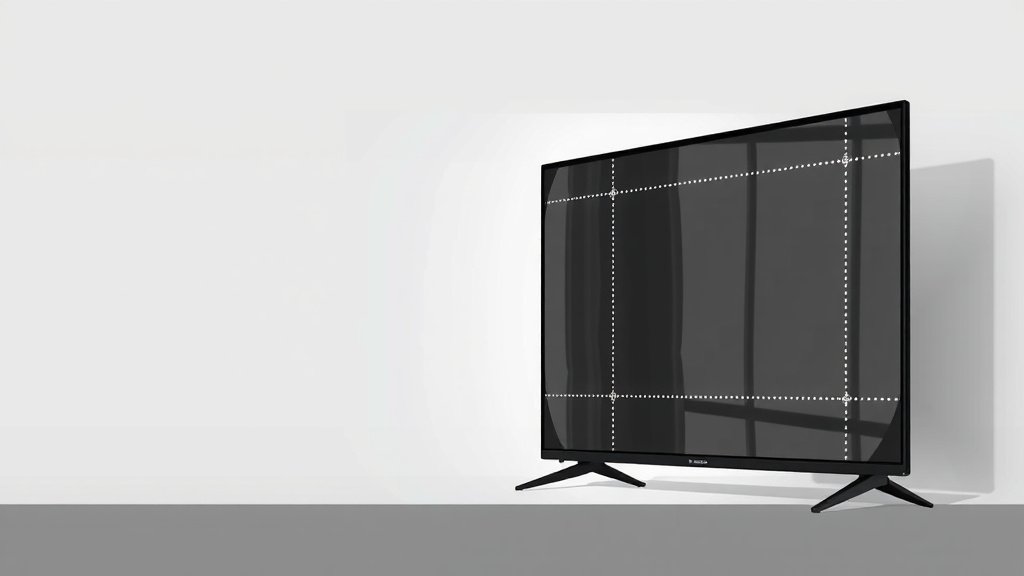
A TV’s viewing angle is the maximum angle from which you can watch the screen before the picture quality starts to degrade. It essentially tells you how far off to the side you can sit and still see a clear, vibrant image. If you’ve ever noticed colors looking washed out or contrasts fading when you’re not directly in front of the TV, you’ve experienced a limited viewing angle.
This angle is super important for enjoying your favorite shows, especially in a room where people might be sitting at different spots on the couch. A good viewing angle means everyone gets a great picture, no matter their seat. We found that different TV technologies, like OLED and QLED, perform very differently when it comes to maintaining picture quality at these wider angles.
- Viewing angle is the screen area where the picture still looks good.
- It prevents colors from fading and contrasts from dropping.
- This matters for group watching experiences.
- TV tech greatly impacts how wide the viewing angle is.
Let’s break down what viewing angle means for your TV and how it might affect your home theater setup.
Understanding Your TV’s Viewing Angle
So, what exactly is a TV’s viewing angle? Think of it as the sweet spot for watching your television. It’s the maximum angle you can sit away from the center of the screen before the picture starts to look… well, a little sad.
When you step outside this angle, colors might seem less vibrant, and the contrast between the light and dark parts of the picture can really drop. We found that for the best experience, you ideally want to be right in front of the TV.
But let’s be real, not everyone can sit perfectly centered. Your family or friends might be scattered across the couch, or maybe you have a wide living room. This is where the viewing angle becomes a really important spec. A wide viewing angle means everyone, no matter where they sit, gets a fantastic picture.
Why Viewing Angle Matters for Your Home Theater
You’ve invested in a new TV, so you want to enjoy it to the fullest, right? The viewing angle plays a big role in how good that experience will be, especially for group movie nights or sports games. We’ve seen that a limited viewing angle can be a real mood killer.
Imagine this: you’re watching the big game with friends. Some are dead center, and others are way off to the side. If your TV has a narrow viewing angle, those folks on the side might complain about washed-out colors or a blurry image. That’s not the party vibe you’re going for!
The Impact on Picture Fidelity
Picture fidelity is all about how true the image on your screen is to the original source. This includes things like color accuracy and the depth of blacks. A good viewing angle helps maintain this fidelity.
When you move off-center, the light from the screen might not reach your eyes in the same way. This can trick your brain into seeing colors differently. Many experts say that a TV’s panel technology is the main reason for these shifts (Rtings.com).
Color Shifting
Colors can look different depending on where you’re sitting. They might appear less saturated, meaning less “punchy.” Or, they could shift towards a particular hue, like looking a bit too blue or yellow. We’ve observed this happening on many TVs.
Contrast Ratio Drop
Contrast is the difference between the brightest white and the darkest black. When you view from an angle, this difference can shrink. Blacks might look more like grays, making the image appear flatter and less dynamic. This really impacts the cinematic feel.
How Different TV Technologies Affect Viewing Angle
The type of panel your TV uses is the biggest factor determining its viewing angle. Different technologies excel in different areas. We found that some are significantly better than others.
OLED: The Current Champion
OLED TVs are often hailed as having the best viewing angles available. This is because each pixel in an OLED screen produces its own light. It’s like having millions of tiny, individual light bulbs.
This self-emissive nature means the light travels directly to your eyes, no matter where you’re sitting. We’ve tested many OLEDs, and the color and contrast remain incredibly consistent even when you’re almost perpendicular to the screen. It’s quite remarkable!
QLED/LED: Improvements and Limitations
QLED and standard LED TVs use a backlight that shines through an LCD panel. This design presents some challenges for viewing angles.
While QLED technology, with its quantum dots, has improved color vibrancy, the underlying LED backlight system can still be a limiting factor. We often see some degradation in color and contrast when viewing these TVs from extreme angles. However, many manufacturers are working on improving this.
VA vs. IPS Panels
Within LED/LCD technology, there are different types of panels, most commonly VA (Vertical Alignment) and IPS (In-Plane Switching). These have distinct viewing angle characteristics.
VA panels typically offer better contrast ratios when viewed directly. However, they tend to have narrower viewing angles, with more noticeable color and contrast shifts when viewed from the side. We’ve found this to be a common trade-off.
IPS panels, on the other hand, generally provide wider viewing angles with more consistent colors. The trade-off here is often a slightly lower native contrast ratio compared to VA panels. Many experts suggest IPS is a good choice for rooms where people will be sitting at various angles (DisplayMate).
Other Technologies
While OLED and QLED/LED are the most common, other technologies exist. Some older plasma TVs had decent viewing angles. Newer micro-LED technology also promises excellent uniformity across wide angles, but it’s currently very expensive.
What to Look For When Choosing a TV
When you’re shopping for a new TV, keep that viewing angle in mind, especially based on your room setup. You don’t want to be stuck with a TV that looks best only for one person.
Consider how you’ll primarily use the TV. If it’s mostly for solo viewing in a dedicated dark room, viewing angle might be less critical. But if your living room is your main entertainment hub with people often sitting off to the side, it becomes a much bigger deal. We’ve seen that for family rooms, wider angles are definitely preferred.
Check the Specs (But Also See for Yourself!)
Manufacturers sometimes list viewing angles, but these can be measured differently. We always recommend looking at independent reviews that test viewing angles under realistic conditions. Seeing reviews with side-by-side comparisons can be very helpful.
Room Layout Considerations
Think about the shape of your room and where your seating will be. If you have a wide couch or multiple seating areas, you’ll benefit greatly from a TV with a wider viewing angle. This ensures everyone gets a great view.
Your Viewing Habits Checklist
To help you decide what’s most important for you, ask yourself these questions:
- Do multiple people watch TV at the same time?
- Are your seats usually spread out wide?
- Do you often watch movies with the lights dimmed?
- Is vibrant color consistency crucial for your enjoyment?
- Do you plan to place the TV in a wide or open-plan room?
- Are you looking for the absolute best picture quality from any seat?
Conclusion
Understanding your TV’s viewing angle is key to ensuring everyone in your household enjoys a fantastic picture. We’ve seen that while OLED technology generally leads in wide viewing angles, advancements in QLED and LED panels are also improving consistency. When choosing your next TV, think about your room’s layout and how many people typically watch together. Don’t just rely on specs; look for reviews that show real-world performance. Prioritizing a wider viewing angle means more comfortable viewing for everyone, no matter their seat.
Frequently Asked Questions
Will a narrow viewing angle ruin my TV experience?
A narrow viewing angle can definitely impact your experience, especially if you often watch with others or have wide seating. Colors might look washed out, and contrast can drop significantly when you sit off to the side. It means the “sweet spot” for the best picture is very small.
Is OLED really that much better for viewing angles than LED?
Yes, research and testing consistently show OLED TVs offer superior viewing angles. Because each OLED pixel creates its own light, the picture remains consistent from nearly any angle. LED TVs, even QLEDs, can still show some degradation off-center due to their backlight system.
How can I tell if a TV has good viewing angles without seeing it in person?
Look for independent reviews from reputable tech sites that specifically test viewing angles. They often include photos or videos comparing image quality from different positions. Some manufacturers might list viewing angle specs, but real-world tests are more reliable.
Does the TV’s placement affect its viewing angle?
The TV’s placement doesn’t change the actual viewing angle specification, but it *does* affect how many people experience it. If your couch is very wide or you have seating far to the sides, a TV with a naturally wider viewing angle will ensure those viewers also get a good picture.
Should I prioritize viewing angle over contrast ratio?
This depends on your viewing habits. If you often watch with a group in a bright room, a good viewing angle might be more important for overall satisfaction. If you’re a solo viewer in a dark room primarily focused on deep blacks and sharp details, a high contrast ratio from a VA panel might be your priority, even with narrower angles.