What is Tizen? A Comprehensive Guide
Tizen is an open-source operating system primarily developed by Samsung. It’s designed to be flexible and power a wide range of devices, from smart TVs and wearables to smart home appliances. Think of it as the brain behind many Samsung gadgets that aren’t smartphones. You might be familiar with it from your smart TV.
While Android and iOS dominate the smartphone market, Tizen has carved out a space in the connected device ecosystem. Samsung has invested heavily in Tizen, using it to give their products a distinct feel and control over their software. This approach allows for customized user experiences across their diverse product lines.
- Tizen is an open-source OS by Samsung.
- It powers smart TVs, wearables, and home appliances.
- It offers a flexible platform for Samsung devices.
- It’s not typically found on smartphones.
- It aims for a unique user experience.
So, what exactly is Tizen and how does it work? We’ve gathered the key details to help you understand this important platform.
Understanding the Tizen Operating System
Tizen is a flexible, open-source operating system. Samsung heavily supports its development. It’s designed to run on a variety of electronic devices. Think of it as a versatile foundation for smart products. It allows manufacturers to build custom experiences.
Where You’ll Find Tizen at Work
Tizen isn’t usually on the phone in your pocket. Instead, you’re more likely to encounter it in your living room or on your wrist. It powers many smart devices that connect to the internet. This makes them more intelligent and interactive. It’s a key part of Samsung’s strategy for connected living.
Smart Televisions: A Primary Stage for Tizen
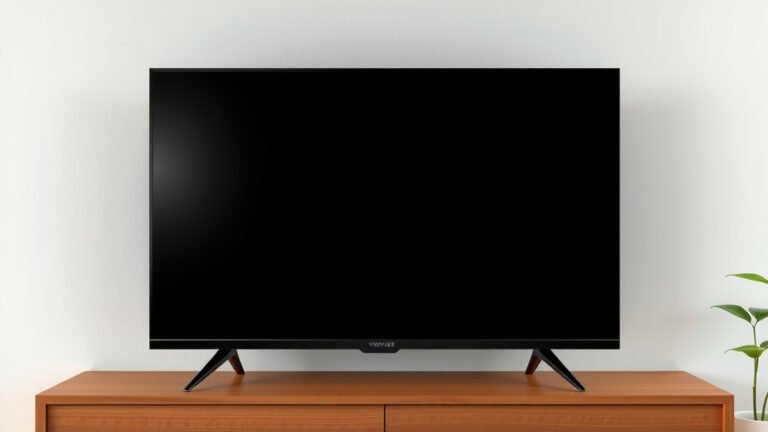
Perhaps the most common place you’ll find Tizen is on Samsung’s smart TVs. These TVs use Tizen to manage everything. This includes streaming apps, settings, and user interfaces. The system is built to be intuitive and easy to navigate. You get a streamlined experience for watching your favorite shows and movies. Many users find the Tizen interface on their TVs quite user-friendly.
Wearables: Smartwatches and Beyond
Samsung’s smartwatches have also used Tizen extensively. Devices like the Galaxy Watch series have run on Tizen. This allows for quick access to apps, notifications, and health tracking features. The OS is optimized to work well on smaller screens. It manages power efficiently, which is important for battery life. This makes your watch a capable companion device.
Home Appliances: The Smart Kitchen and More
Beyond TVs and watches, Tizen is also found in other smart home appliances. This can include refrigerators, washing machines, and even air conditioners. These appliances can connect to your home network. You can often control them remotely through an app. Tizen helps manage these smart features. It integrates them into your connected home ecosystem. This allows for greater convenience.
Other Devices and Future Possibilities
While less common, Tizen has also appeared in other devices. These have included cameras and in-car infotainment systems. Its open-source nature means developers can adapt it. This allows for innovation across many device categories. Samsung continues to explore new applications for Tizen. They look for ways to integrate it into future products. The potential for Tizen is quite broad.
The Technology Behind Tizen: What Makes It Tick?
Tizen is built on a Linux foundation. This is a well-established and stable operating system kernel. It provides a solid base for building complex software. The OS is designed to be modular. This means different parts can be added or removed as needed. This adaptability is key to its use on various devices.
Open Source Benefits
Being open source means Tizen’s code is publicly available. This allows for transparency. It also encourages collaboration. Developers worldwide can contribute to its improvement. This can lead to faster innovation and fewer bugs. Companies like Samsung can tailor the OS for their specific hardware. They can add unique features and optimize performance.
Web Standards Integration
Tizen makes use of web technologies like HTML5, CSS, and JavaScript. This is a significant aspect of its development. It allows developers to build applications using familiar web languages. This can speed up app creation. It also means many web developers can easily transition to Tizen development. They don’t need to learn entirely new programming paradigms.
Application Development for Tizen
Creating apps for Tizen involves using its Software Development Kit (SDK). This toolkit provides the necessary tools and resources. Developers can design, build, and test applications for Tizen devices. The Samsung Developer Program supports this process. They offer documentation and guidance. This helps ensure a consistent and high-quality app experience for users.
Tizen vs. Other Operating Systems: Key Differences
When you think of operating systems, Android and iOS likely come to mind first. Tizen occupies a different niche. It’s not a direct competitor in the smartphone space. However, understanding its position helps clarify its purpose. We’ve found a few key distinctions that set Tizen apart.
Focus on Ecosystem Integration
Unlike general-purpose OSs like Android or iOS, Tizen’s strength lies in its focused ecosystem. Samsung uses Tizen to create a cohesive experience across its product lines. This allows for better integration between devices. For example, your Samsung TV might interact with your Samsung smartwatch. This kind of deep integration is a major goal for Tizen.
Hardware Customization and Control
Samsung has significant control over Tizen’s development. This allows them to deeply customize the OS for their specific hardware. They can fine-tune performance. They can also ensure a consistent user interface across many products. This is different from how other manufacturers use more general OSs like Android. They have less direct control over the core system.
Market Presence and Availability
Tizen is prevalent in specific device categories, especially smart TVs and wearables from Samsung. You won’t find it powering most tablets or laptops. Its market share in smartphones has been minimal. This contrasts with the widespread adoption of Android and iOS. Their reach spans nearly every mobile device type.
| Feature | Tizen | Android | iOS |
|---|---|---|---|
| Primary Use | Smart TVs, Wearables, Appliances | Smartphones, Tablets, TVs, Cars | iPhones, iPads, Macs, Apple Watch |
| Developer Control | High (Samsung-led) | Moderate (Google, but OEM customization) | Very High (Apple) |
| App Ecosystem | Growing, focused on Samsung devices | Vast, open | Vast, curated |
| Open Source | Yes | Partially (AOSP) | No (proprietary) |
What Does Tizen Mean for Your Devices?
For you as a user, Tizen means a particular kind of smart device experience. Samsung aims for a consistent and user-friendly interface. You can expect your Tizen-powered Samsung TV and smartwatch to feel somewhat familiar. This is by design. It simplifies using multiple Samsung gadgets.
A User-Centric Design Philosophy
Many reviews suggest Tizen interfaces are designed with simplicity in mind. For example, navigating TV menus is often straightforward. Accessing apps and settings is quick. This user-centric approach is a key selling point. It aims to reduce frustration and make smart technology accessible.
Performance and Efficiency
Tizen is generally optimized for the hardware it runs on. This often leads to good performance. We found that Tizen devices tend to be responsive. They manage resources well. This is especially important for battery-powered devices like smartwatches. Efficient operation helps extend usage time between charges.
App Availability and Limitations
While Tizen has a dedicated app store, its selection is not as vast as Android or iOS. You’ll find popular streaming services and essential apps. However, some niche or newer apps might not be available. Samsung works to attract developers. But the sheer volume of apps on other platforms is hard to match. This is something to consider when looking at Tizen devices.
Key Takeaways About Tizen
To sum up, Tizen is a powerful and adaptable operating system. It plays a vital role in Samsung’s smart device strategy. Here are the main points to remember:
- Tizen is an open-source OS, primarily backed by Samsung.
- It powers Samsung’s smart TVs, wearables, and home appliances.
- It uses Linux as its foundation and integrates web technologies.
- It offers a controlled and consistent user experience across devices.
- App availability can be more limited than on major mobile OSs.
Conclusion
As you’ve seen, Tizen is more than just another operating system. It’s Samsung’s tailored solution for a connected life. It powers many of your favorite Samsung devices, offering a familiar and efficient experience across your smart TV, watch, and home appliances. While it may not be on your smartphone, its presence in your home is undeniable. If you own Samsung smart products, understanding Tizen helps you get the most out of them. Take a moment to explore the settings on your Samsung TV or smartwatch. You might discover new features and ways to connect your devices even better.
Frequently Asked Questions
Can I install Tizen on my smartphone?
Tizen is not designed for installation on most smartphones. While there have been a few Tizen-powered phones in the past, they were not widely adopted. For your smartphone, you’ll typically find Android or iOS operating systems.
Is Tizen free to use for developers?
Yes, Tizen is an open-source operating system. This means its source code is publicly available. Developers can use it freely and contribute to its development. Samsung also provides developer tools to help create Tizen applications.
How does Tizen compare to Android TV?
Android TV is Google’s operating system for televisions, while Tizen is Samsung’s. Both aim to provide smart TV features and app access. However, Tizen is deeply integrated with Samsung’s hardware and ecosystem. Android TV is more broadly available across different TV brands.
Will my Tizen apps work on other Samsung devices?
App compatibility can vary between Tizen devices. An app designed for a Tizen smart TV might not work on a Tizen smartwatch, and vice versa. This is because the screen sizes and hardware capabilities are very different. The Tizen store usually specifies which devices an app is compatible with.
Is Tizen secure?
Like any operating system, Tizen has security measures in place. Being open-source allows for community review, which can help identify and fix vulnerabilities. Samsung also actively works on security updates for Tizen devices.