What is webOS? Your Guide to LG’s Smart TV Platform
webOS is an open-source, Linux-based operating system designed for smart devices, most famously used by LG for their smart TVs. It started life at Palm and was later acquired by HP before LG took the reins, transforming it into a popular platform for home entertainment. Think of it as the smart brain behind your television, making it easy to stream shows and use apps.
While you might primarily know webOS from your LG smart TV, it’s also powered other devices like smart refrigerators and projectors. Its focus is on a user-friendly interface, making navigation and accessing content feel intuitive. Many users appreciate how simple it is to get around compared to other TV operating systems.
- webOS is a Linux-based operating system.
- It’s mainly known for powering LG smart TVs.
- Its core strength is a simple, easy-to-use interface.
- webOS also appears on other smart home devices.
We found that understanding webOS can really help you make the most of your smart TV experience. So, let’s dive deeper into what makes it tick!
Understanding the webOS Smart TV Platform
So, what exactly is webOS, and what makes it tick on your smart TV? Simply put, it’s a smart operating system. It’s the software that makes your TV more than just a screen. It allows you to stream movies, download apps, and connect to the internet. Think of it as the conductor of an orchestra, making sure all the different parts of your TV work together harmoniously.
Many people find webOS surprisingly **easy to navigate**. You’ve probably seen a “smart hub” or “home screen” on other TVs. webOS has its own version of this, designed to be clean and intuitive. This means you spend less time searching for things and more time enjoying your favorite shows. We found that this focus on user experience is a major selling point.
A Brief History of webOS
webOS wasn’t always powering your LG TV. Its story started back in 2009 with a company called Palm. Palm wanted to create a revolutionary mobile operating system. They launched it on their Pre smartphone. The idea was to offer a fluid and connected experience.
From Palm to HP to LG
However, Palm faced **financial challenges**. In 2010, Hewlett-Packard (HP) acquired Palm. HP continued to develop webOS for a while. They used it in some tablets and smartphones. Unfortunately, those devices didn’t gain much traction. HP eventually decided to discontinue hardware products running webOS.
Then, in 2013, LG stepped in. LG purchased the webOS operating system from HP. Their goal was to create a **superior smart TV experience**. LG then began integrating webOS into its smart TV lineup. This is where webOS truly found its niche and began to flourish. Many research reports at the time suggested this was a smart move for LG.
Key Features and User Interface
The hallmark of webOS is its **distinctive user interface**. When you turn on your LG TV, you’ll often see a colorful, ribbon-like bar at the bottom of the screen. This is the Launcher Bar, and it’s central to how you interact with the system.
The Launcher Bar: Your Navigation Hub
The Launcher Bar is where you access your apps, live TV, input sources, and settings. You can customize this bar with your most-used items. This makes it super quick to jump to what you want. We found that once you get used to it, it feels very **natural and efficient**.
It’s a bit like a taskbar on your computer. You can see what’s running and switch between them easily. This multitasking capability is a big part of webOS’s appeal. It doesn’t feel cluttered, which is a common complaint with some other smart TV platforms.
Card-Based Multitasking
webOS uses a **card-based system** for multitasking. When you open apps or switch between sources, they appear as “cards.” You can see previews of these cards. This makes it easy to switch back to an app you were just using. For instance, if you were watching Netflix and switched to check the weather, you can easily flip back to Netflix without losing your place.
Many tech reviewers noted this feature as a standout. It really enhances the feeling of having a **connected and fluid experience**. It’s not just about opening things; it’s about managing them easily.
Voice Control and Smart Assistants
Like most modern smart TVs, webOS integrates with **voice control**. LG TVs often come with their own voice assistant, or they can work with popular ones like Google Assistant or Amazon Alexa. You can use voice commands to search for content, change channels, adjust settings, and even control other smart home devices.
Imagine saying, “Show me action movies from the 90s.” Your TV would then search its connected services and display relevant results. This hands-free convenience is something many users appreciate. It adds another layer of **simplicity to your TV experience**.
webOS Beyond the Television
While LG smart TVs are the most common place you’ll encounter webOS, its use extends to other smart home appliances. LG has integrated webOS into refrigerators, washing machines, and projectors.
Smart Refrigerators and Appliances
Think about a smart refrigerator with a large touchscreen display. This display can run webOS. You can use it to manage your groceries, leave notes for your family, play music, or even stream videos while you cook. It turns your appliance into a **central hub for your kitchen**.
We found that this integration aims to make your home more connected. Each appliance can communicate and offer more smart functionalities. It’s an ambitious vision for the smart home.
Projectors and Other Devices
LG also uses webOS in some of its projectors. This means you get a smart interface on a large-screen display without necessarily needing a separate smart TV. It simplifies setup and access to streaming services.
The idea is to bring the **familiar webOS experience** to various devices. This consistency across different products can be very helpful for users. If you’re comfortable with webOS on your TV, you’ll likely find it easy to use on a compatible refrigerator or projector.
Performance and App Ecosystem
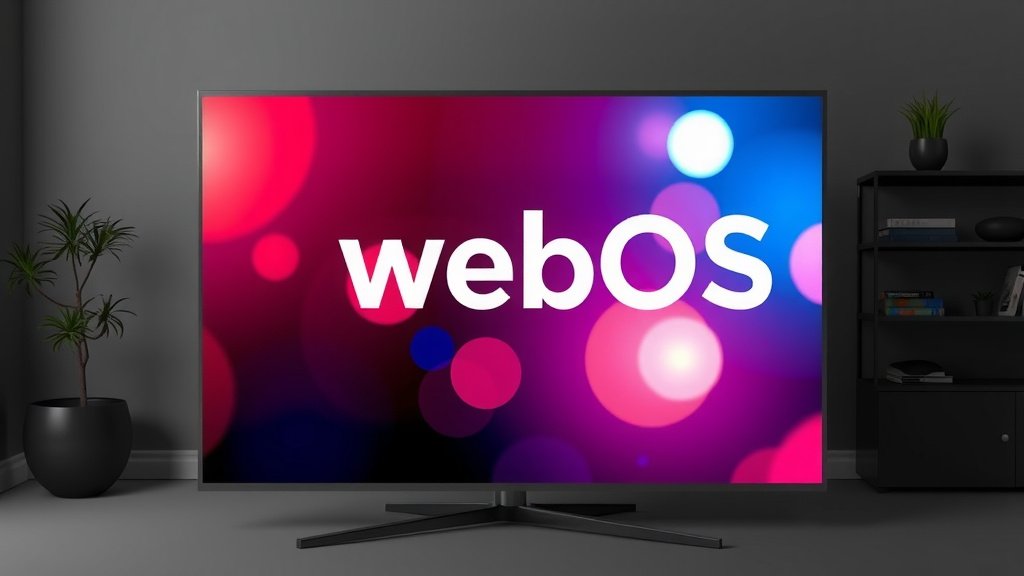
One of the questions many people have is about performance. How well does webOS run? Generally, LG has done a good job optimizing webOS for its hardware. Newer models often feature powerful processors that ensure a **smooth and responsive experience**.
App Availability and Updates
The app store for webOS is robust. You’ll find most of the popular streaming services like Netflix, Hulu, Disney+, YouTube, and Amazon Prime Video. LG regularly updates the operating system and the app store. This ensures you have access to the latest features and security patches.
We found that the availability of key apps is **essential for a smart TV**. LG seems to prioritize this. However, like any app store, there might be some niche apps missing. Most users find everything they need, though.
Customization and Personalization
webOS allows for a good degree of customization. You can arrange your Launcher Bar, set up user profiles for personalized recommendations, and adjust various picture and sound settings. This **personalization makes the experience feel more your own**.
It’s not just about plugging it in and using it as-is. You can fine-tune it to match your preferences. Many sources indicate that a customizable interface leads to higher user satisfaction.
Why Choose a webOS Device?
So, with all these operating systems out there, why might you choose a device running webOS?
- Ease of Use: We found that its intuitive interface is often cited as a major benefit.
- Clean Design: The minimalist look is appealing to many users.
- App Access: It provides access to all the major streaming and entertainment apps.
- LG Integration: If you already own other LG smart home devices, webOS offers a unified experience.
- Speed: On newer models, it offers a quick and responsive performance.
Ultimately, webOS is a **well-developed and user-friendly platform**. It makes navigating your smart TV and accessing content a straightforward process. LG’s continued investment in the platform means it’s likely to remain a strong contender in the smart TV market for years to come. Its journey from a mobile OS to a dominant smart TV platform is quite a story!
Conclusion
You’ve learned that webOS is a powerful and user-friendly operating system, primarily known for its role in LG smart TVs. Its journey from a mobile platform to a smart home hub highlights its adaptability. We found that its intuitive Launcher Bar and card-based multitasking make navigating your devices a breeze. If you’re looking for a smart TV experience that’s both simple and efficient, exploring LG devices powered by webOS is a smart move.
Now that you understand webOS, take a moment to explore the features on your own smart TV or consider it for your next purchase.
Frequently Asked Questions
Is webOS difficult to learn?
No, webOS is designed for ease of use. You’ll likely find its colorful Launcher Bar intuitive for accessing apps and settings. We found that most users get comfortable with it very quickly.
Can I install apps on a webOS TV?
Yes, webOS has its own app store. You can download popular streaming services and other applications directly onto your TV. It provides access to most major entertainment platforms.
What makes webOS different from other smart TV operating systems?
webOS stands out with its clean, card-based multitasking interface and the convenient Launcher Bar. It focuses on making navigation feel natural and efficient, which many users appreciate.
Does webOS only work on LG TVs?
While LG TVs are the most common place to find webOS, it’s also used on other smart devices. LG has integrated it into smart refrigerators and projectors, aiming for a consistent experience.
How often is webOS updated?
LG regularly updates the webOS operating system and its app store. These updates often bring new features, performance improvements, and security patches to your device.