TV Mount vs Stand: When to Choose Which
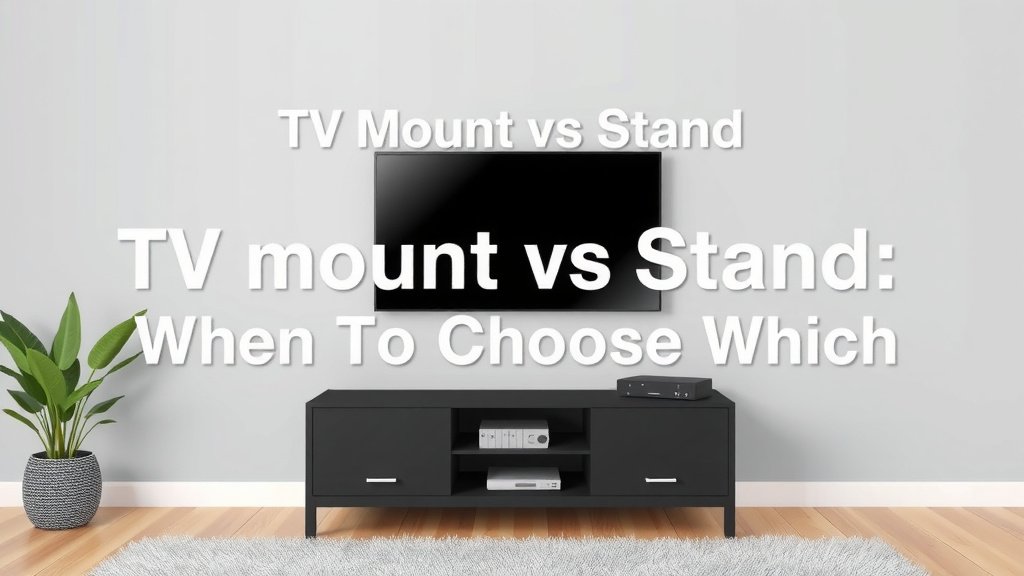
Deciding whether to mount your TV on the wall or use a stand often comes down to your room’s layout and your personal style. While stands offer flexibility and easy setup, wall mounting provides a cleaner look and can save significant floor space, especially for larger televisions.
Many homeowners wonder which option is truly best for their living space. Mounting a TV is great for modern aesthetics and out of reach of curious pets or toddlers. Stands, on the other hand, are generally easier to install and often come with built-in storage for your media devices.
- Mounting saves floor space and offers a clean look.
- Stands are easier to set up and move.
- Consider room size and your desired aesthetic.
- Stands often include storage for your gadgets.
Let’s break down the key differences to help you make the perfect choice for your home entertainment setup.
Mounting Your TV vs. Using a Stand: Which is Right for You?
Deciding between mounting your TV and using a stand can feel like a big decision. Both options have their own charm and practical uses. Your room’s size, your decor style, and even your family situation all play a role. We’ll help you figure out which approach best suits your needs and your home.
The Case for Wall Mounting Your Television
Mounting a TV offers a sleek, modern look. It clears up valuable floor space. This can make a small room feel much larger. It also keeps your screen out of harm’s way. Curious pets or little ones often can’t reach a mounted TV.
Maximizing Your Space with Wall Mounting
When you mount a TV, you essentially create a floating display. This is fantastic for smaller apartments or rooms where furniture arrangement is tricky. Think about your living room. Do you have a great fireplace but limited wall space? Mounting can be the answer. It frees up the area where a bulky TV stand might otherwise sit. This can also make cleaning easier. You can sweep or vacuum underneath without hassle.
Aesthetics and Safety Considerations
Many people prefer the clean lines of a mounted TV. It hides cords behind the wall, giving a very uncluttered appearance. This is especially true if you have a minimalist decor style. Safety is another big plus. A TV on a stand, particularly a tall one, can be a tipping hazard. The Consumer Product Safety Commission (CPSC) has reported tip-over incidents. Mounting eliminates this risk. This is a huge relief for parents and pet owners alike. You gain peace of mind knowing your screen is secure.
Types of TV Mounts
There are a few common types of mounts to consider. Fixed mounts hold the TV flat against the wall, like a picture frame. Swivel or full-motion mounts allow you to angle the screen. This is great for rooms with multiple viewing angles. Some mounts tilt, which can help reduce glare from windows. There are a few common types of mounts to consider, and our guide can help you choose the right one.
The Advantages of Using a TV Stand
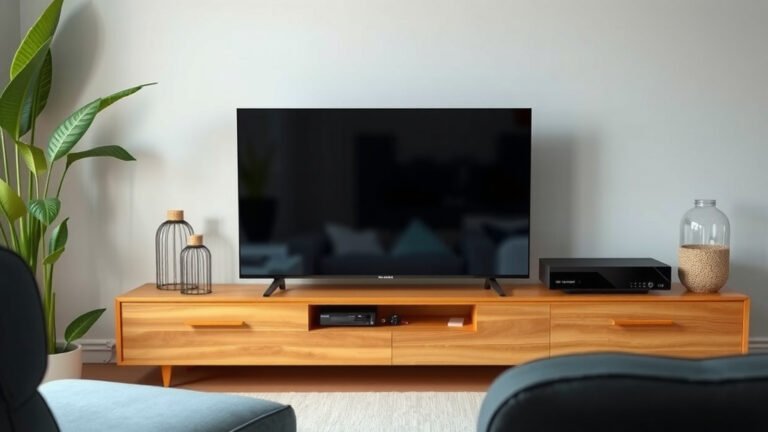
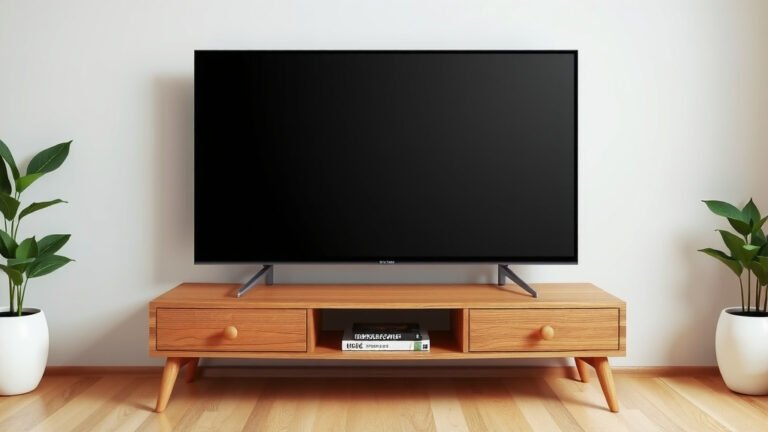
TV stands are the classic choice for a reason. They are generally easy to set up. Many come with built-in storage. This is perfect for your gaming consoles, Blu-ray players, and soundbars. Stands offer flexibility. You can move them around your room or even to a different home more easily.
Ease of Installation and Flexibility
Setting up a TV stand is usually quite straightforward. You often just need to attach the legs. Then, you place your TV on top. No drilling into walls is required. This makes it ideal for renters. You don’t have to worry about permanent changes to your living space. If you like to redecorate often, a stand is your friend. You can reposition your entertainment center with relative ease. This adaptability is a significant benefit for many homeowners.
Storage Solutions and Organization
One of the biggest draws of a TV stand is its storage capacity. Many stands have shelves and cabinets. You can neatly store media players, game controllers, remotes, and DVDs. This helps keep your living area tidy. Some stands even have cable management systems built-in. They help hide those unsightly wires. This can be a simple way to achieve a more organized look without complex installation.
Considerations for Stand Placement
When using a stand, you need to think about its placement. The height of the stand is important. You want the TV to be at a comfortable viewing height. This usually means the center of the screen is at eye level when you’re seated. You also need enough space for the stand itself. Measure the area where you plan to put it. Make sure your TV’s base will fit securely on top.
Making the Right Choice for Your Home
So, how do you decide? It really comes down to your priorities. Think about the size of your room. A large TV in a small room might overwhelm the space if it’s on a stand. Mounting it can save precious square footage. Consider your current setup. Do you have a lot of media devices that need a home? A stand with storage might be more practical.
Room Size and TV Dimensions
For smaller rooms, mounting is often the winner. It gives a sense of spaciousness. For larger rooms, either option can work well. If you have a very large television, mounting it can make it a focal point without appearing too heavy in the room. A large stand can also work, but ensure it is proportional to the TV and the room.
Your Personal Style and Decor
What’s your home’s vibe? A mounted TV often conveys a modern, minimalist aesthetic. It looks clean and intentional. TV stands come in many styles, from traditional wood to sleek glass. You can find one that perfectly complements your existing decor. Think about what you want your entertainment area to look and feel like.
Budget and Installation Effort
Generally, mounting a TV can be more expensive. You’ll need to buy a mount, and you might need to hire a professional for installation. This can add to the overall cost. Stands are often more budget-friendly. Installation is typically DIY-friendly. If you’re on a tight budget or prefer a simple setup, a stand might be the better choice.
Checklist: Which Option Suits You Best?
Let’s quickly review. Ask yourself these questions:
- Is your room small and needs to feel more open?
- Do you want a minimalist, modern look?
- Are safety concerns about tipping a priority?
- Do you have a lot of media components to store?
- Do you rent and need a damage-free solution?
- Are you on a tight budget for setup?
Answering these can point you toward the right decision.
| Feature | Wall Mounting | TV Stand |
|---|---|---|
| Space Saving | Excellent | Moderate |
| Aesthetics | Sleek, Modern | Varies by Style |
| Installation Ease | More Difficult (May need pro) | Easy (DIY usually) |
| Storage | Minimal (requires separate units) | Good (often built-in) |
| Flexibility/Portability | Low | High |
| Safety (Tip-over) | High | Moderate to Low |
Conclusion
We’ve explored the pros and cons of both mounting your TV and using a stand. Mounting offers a clean, modern look and saves precious floor space, ideal for smaller rooms or minimalist styles. On the other hand, TV stands provide easy setup, essential storage for your devices, and the flexibility to move your setup. Your final decision hinges on your room’s size, your desired aesthetic, and your need for storage. Consider these factors carefully to create the perfect entertainment hub for your home.
Frequently Asked Questions
Can I mount a TV if I rent my apartment?
Yes, you can often mount a TV in a rental. You’ll need to check your lease agreement for specific rules. Many mounts are designed for easy installation and removal. Look for mounts that use existing wall studs or consider solutions like a heavy-duty tension-rod mount. Be prepared to patch any holes when you move out.
What is the safest way to place a TV?
The safest method is wall mounting, as it completely eliminates the risk of tip-overs. If you prefer a stand, ensure it’s sturdy, placed on a level surface, and that your TV’s base is securely centered. For added safety, especially with children or pets, consider using an anti-tip strap to secure the TV to the wall or stand. Always check the weight capacity of your stand.
How high should I mount my TV?
The ideal mounting height places the center of the screen at eye level when you are in your primary seating position. For most living rooms, this is typically between 42 and 60 inches from the floor. Measure from your couch or chair to ensure comfortable viewing without neck strain. Adjustable mounts can help fine-tune the position after installation.
Do TV stands really save a lot of money compared to mounting?
Generally, TV stands are more budget-friendly than wall mounting. A basic TV stand can be purchased for under $100, while a quality TV mount can range from $30 to $200 or more. If you need professional installation for mounting, that adds significant cost. For DIY setups, stands are almost always cheaper.
What if I have a curved TV, can I still mount it?
Yes, you can mount curved TVs, but you’ll need a compatible mount. Look for mounts specifically designed for curved screens or those that offer a wider range of adjustability. Fixed mounts might not be ideal as they keep the TV flush against the wall, potentially distorting the curve. Full-motion or tilting mounts are usually better choices for curved displays.