What is an ATSC Tuner and How Does it Work
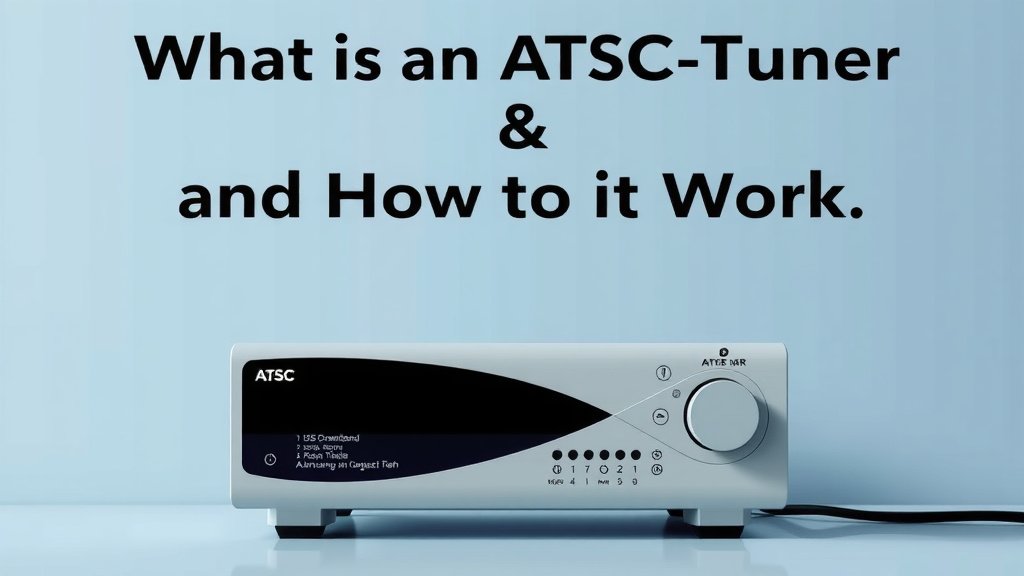
An ATSC tuner is a digital television tuner. It’s the piece of hardware that lets your TV or device receive over-the-air broadcast signals. Think of it as the translator for free local channels. Without one, you can’t pick up those broadcasts.
Many people wonder if their TV needs a special box for local channels. Most modern TVs have this built-in. Older models might not. This tuner is essential for watching networks like ABC, CBS, NBC, and Fox without cable. It’s how you get free, high-definition local news and programming.
- An ATSC tuner receives free local TV channels.
- It’s built into most modern TVs.
- It allows you to watch over-the-air broadcasts.
- You don’t need a cable subscription for these channels.
Let’s break down what an ATSC tuner is and why it matters for your TV viewing.
Understanding Your Over-the-Air TV Signal Reception
So, you’re looking to get those free local channels without paying for cable or satellite? That’s where the magic of an ATSC tuner comes in. Think of it as your personal gateway to broadcast television. It’s the unsung hero that makes free, high-definition local programming possible on your TV.
What Exactly is an ATSC Tuner?
An ATSC tuner is a device that picks up digital television signals. ATSC stands for Advanced Television Systems Committee. This is the standard used in the United States and several other countries for digital over-the-air broadcasts. It’s the technology that replaced the older analog signals you might remember.
Essentially, it’s a receiver component. It sits inside your TV or an external device, like a digital converter box. Its job is to decode the digital video and audio signals sent through the air. This allows your television to display channels like ABC, CBS, NBC, Fox, and PBS in high definition, all without a monthly subscription fee.
How Does it Work with Broadcast Signals?
Local TV stations transmit their signals through the air. These signals travel from their towers to your home. Your TV antenna captures these signals. The ATSC tuner then processes them. It converts the raw digital data into the picture and sound you see and hear on your screen.
Before 2009, televisions used analog tuners. These were less efficient and provided lower-quality images. The switch to digital, managed by the ATSC standard, meant a significant upgrade. It paved the way for clearer pictures and more channels. Many experts noted this transition as a major leap forward for broadcast television (Federal Communications Commission).
The Role of Your Antenna
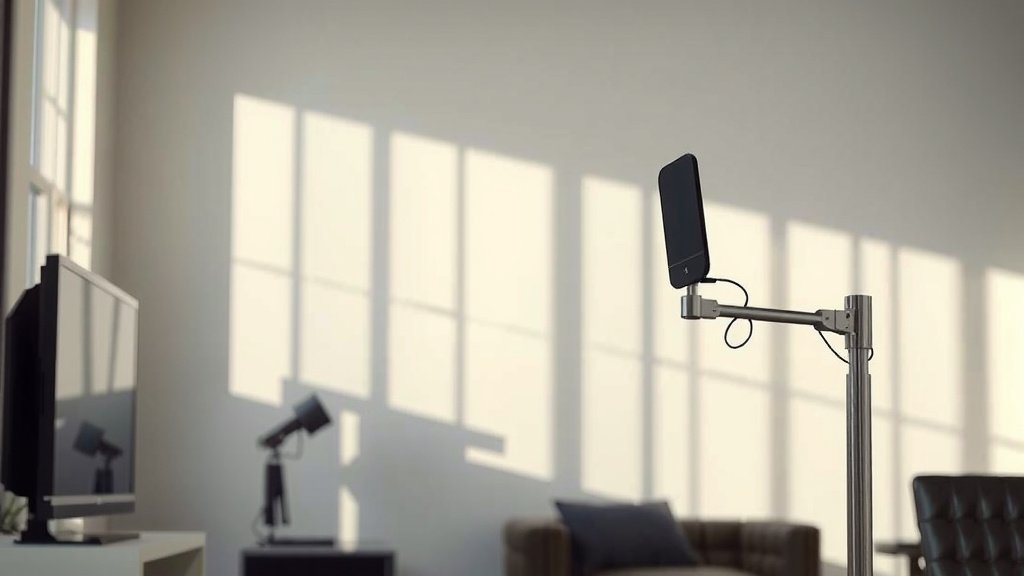
Your antenna is like the ears for your ATSC tuner. It’s responsible for catching the signals in the first place. The tuner is the brain that understands what the antenna has picked up. A good antenna, placed correctly, can significantly improve your reception. This means more channels and a more stable picture. Think of it as a partnership: antenna captures, tuner translates.
Why is an ATSC Tuner Important for You?
For many households, an ATSC tuner is the key to cost-effective entertainment and information. It’s your ticket to essential local news, emergency alerts, and your favorite network shows. You can enjoy these without the burden of a cable bill.
If you’ve cut the cord or never subscribed to cable, an ATSC tuner is probably already in use by your TV. Most televisions sold in the U.S. since 2007 are equipped with a digital ATSC tuner. This is thanks to regulations that mandated the switch from analog to digital broadcasting. So, chances are, your modern TV is ready to go.
The Digital Transition and Your TV
The transition from analog to digital television was a big event. It meant that older TVs without a digital tuner could no longer receive over-the-air signals. If you have an older TV, you might need an external ATSC tuner, often called a digital converter box, to watch free local channels. This box acts as the tuner, and you connect it to your older TV via an HDMI or RCA cable.
Types of ATSC Tuners
When we talk about ATSC tuners, they usually fall into a couple of categories based on where they’re found:
- Internal Tuners: These are built directly into your television set. This is the most common type in modern smart TVs and standard HDTVs. They work seamlessly with your TV’s operating system.
- External Tuners: These are standalone devices. You might use them with older TVs or with other devices like computers or streaming boxes. They connect to your antenna and then to your display device.
Some devices offer variations. For example, you might find ATSC 3.0 tuners. This is the newer generation of digital broadcasting, offering enhanced features like 4K resolution and better signal reliability. However, for now, most broadcasts still use the ATSC 1.0 standard.
Getting the Most Out of Your ATSC Tuner
Owning a TV with an ATSC tuner is just the first step. To get the best experience, consider these points:
- Antenna Placement: Experiment with where you position your antenna. Higher is usually better. Near a window can also help.
- Antenna Type: Different antennas are designed for different reception needs. Indoor antennas are convenient but may pick up fewer channels than outdoor ones.
- Rescanning Channels: Your TV has a menu option to “scan” or “rescan” for channels. Do this periodically. Stations sometimes change frequencies or add new channels.
Research and found that proper antenna setup is critical for good reception. Many users report significant improvements just by moving their antenna. The Federal Communications Commission (FCC) provides resources to help you find the best antenna for your location. They offer tools to map out local broadcast towers.
ATSC Tuner vs. Other TV Tuners
It’s easy to get confused by all the different types of tuners. Here’s a quick comparison:
| Tuner Type | Signal Source | Subscription Needed? | Typical Use |
|---|---|---|---|
| ATSC (Digital Over-the-Air) | Broadcast TV signals (airwaves) | No | Free local channels on modern TVs |
| QAM (Cable in the Clear) | Unencrypted cable TV signals | No (for channels not scrambled) | Some basic cable channels on TVs with QAM tuners |
| NTSC (Analog) | Old analog broadcast signals | No | Obsolete; found on very old TVs |
| Satellite/Dish Tuner | Satellite dish signals | Yes | Paid satellite TV packages |
| Cable Box Tuner | Coaxial cable from provider | Yes | Most cable TV services |
The key takeaway is that the ATSC tuner is specifically for free, over-the-air digital broadcasts. It’s distinct from the tuners used for cable or satellite services, which require subscriptions and specialized equipment.
Quick Checklist for Your ATSC Setup
Here’s a quick rundown to ensure your ATSC tuner is working its best for you:
- Confirm your TV has a built-in ATSC tuner.
- Connect a suitable over-the-air antenna.
- Position your antenna for optimal signal strength.
- Perform a channel scan on your TV.
- Rescan channels if you move or add antennas.
- Check FCC resources for local tower information.
By understanding what your ATSC tuner does, you can better appreciate the free, high-quality television programming available right in your own home. It’s a straightforward piece of technology that opens up a world of local content without breaking the bank.
Conclusion
You’ve learned that an ATSC tuner is your key to accessing free, high-definition local TV channels. It’s the essential hardware that translates over-the-air broadcast signals so your TV can display them. For many, this means enjoying news and favorite shows without a costly cable subscription. Whether built into your modern TV or in an external converter box for older models, it’s a straightforward technology. Your next step? Ensure you have a good antenna and perform a channel scan to start enjoying your free local programming.
Frequently Asked Questions
Do I need a special TV to get free local channels?
Most TVs sold in the U.S. since around 2007 have a built-in ATSC tuner. This means your modern HDTV likely already has the capability. If you have an older analog TV, you might need an external digital converter box to act as your ATSC tuner.
What’s the difference between ATSC and analog tuners?
ATSC is the digital standard for over-the-air TV, offering clear, high-definition pictures and more channels. Analog tuners, like those on very old TVs, received less efficient signals with lower picture quality and are now obsolete for broadcast reception.
Can I get ATSC channels on my computer?
Yes, you can! By using an external USB ATSC tuner stick plugged into your computer, you can receive over-the-air broadcasts. You’ll also need an antenna connected to the USB tuner and appropriate software to view the channels.
How often should I rescan for channels with my ATSC tuner?
It’s a good idea to rescan for channels periodically, especially if you’ve moved your antenna or if local stations make changes. Many TVs have a “channel scan” or “auto-tune” option in their settings menu that you can run whenever you suspect you might be missing channels.
What does ATSC 3.0 mean for my tuner?
ATSC 3.0 is the newest generation of over-the-air broadcasting. It offers enhanced features like 4K resolution, better signal reception in challenging areas, and interactive content. While many broadcasters are transitioning, most current ATSC tuners are designed for the ATSC 1.0 standard. You may need a newer, ATSC 3.0-compatible tuner to receive these advanced broadcasts.