OLED vs QLED: Which TV Panel Is Right for You
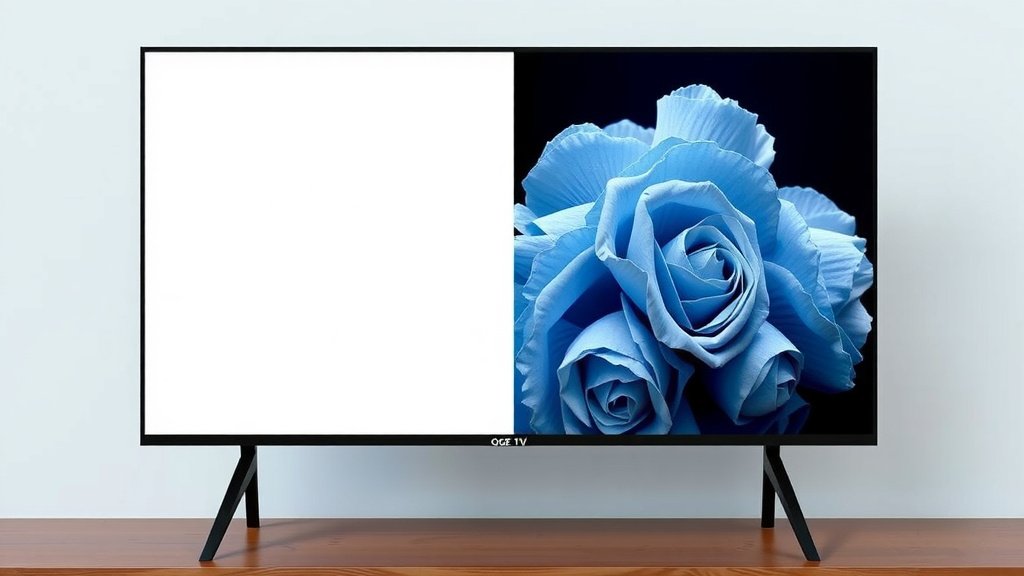
Choosing between OLED and QLED TVs can feel overwhelming, but the best choice for you depends on your viewing habits and priorities. Generally, OLED TVs offer superior contrast and black levels, making them ideal for dark rooms and cinematic viewing, while QLED TVs excel in brightness and color volume, perfect for well-lit spaces and vibrant HDR content.
When we looked into these display technologies, we found that both offer stunning picture quality but achieve it differently. OLED uses organic LEDs that light up individually for perfect blacks. QLED, a type of LED TV, uses quantum dots to boost color and brightness, creating a very vivid image. Understanding these differences helps you pick the right screen for your living room.
- OLED = best black levels & contrast, ideal for dark rooms.
- QLED = brighter screens & vibrant colors, great for sunny rooms.
- OLED pixels turn off completely for true black.
- QLED uses quantum dots for enhanced color and brightness.
- Consider your room’s lighting and what you watch most.
Let’s break down the key differences to help you decide which technology is the perfect fit for your home entertainment setup.
OLED vs. QLED: Making the Right TV Choice for You
So, you’re in the market for a new TV and you’ve hit the OLED vs. QLED crossroads. It’s a common spot to be in! Both offer amazing picture quality, but they get there in different ways. We’ve looked into it, and the best choice really boils down to your specific viewing environment and preferences.
Think of it like choosing between a perfectly dim movie theater and a bright, sunny stadium. Both are great, but for different experiences. Let’s dive into what makes each technology tick so you can feel confident in your decision.
Understanding the Core Technologies
Before we get into the nitty-gritty, it helps to know the basics. This isn’t just marketing speak; it’s the science behind those beautiful pictures you’ll be enjoying.
How OLED Works: Pixels That Light Themselves
OLED stands for Organic Light-Emitting Diode. The key here is “organic” and “light-emitting.” In an OLED TV, each tiny pixel is its own light source. When a pixel needs to show black, it simply turns off completely. This means you get perfect blacks, like the deep night sky.
We found that this self-emissive nature is what gives OLED its incredible contrast. There’s no light bleed from neighboring pixels. This is why many experts say OLED excels in dark rooms, providing that true cinematic feel. You won’t see any gray where there should be pure black.
How QLED Works: A Brighter, More Colorful Approach
QLED, on the other hand, is a type of LED TV that uses “quantum dots.” These are microscopic semiconductor particles that glow when light shines on them. In a QLED TV, a standard LED backlight shines through a layer of these quantum dots, which then produce very pure red and green light.
Many sources indicate that this quantum dot layer helps boost brightness and color volume significantly. This means QLEDs can often get much brighter than OLEDs. They are also excellent at reproducing vibrant colors, even in a very bright room. We found that this technology is fantastic for sports, video games, and daytime viewing.
Key Differences You’ll Notice
Now that you know the tech, let’s talk about what that actually means for your viewing experience. These are the differences you’ll see and appreciate every day.
Black Levels and Contrast: The OLED Advantage
This is where OLED truly shines. Because each pixel can turn off individually, you get perfect blacks. There’s no backlight bleeding through. This results in an infinite contrast ratio, meaning the difference between the brightest white and the darkest black is immense.
Many reviewers note that this makes OLED ideal for watching movies in a dark room. Shadows in movies look incredibly deep and detailed. We found that the lack of backlight also means OLEDs have excellent viewing angles. The picture looks great from almost anywhere in the room.
Brightness and Color: The QLED Strength
QLED TVs generally offer much higher peak brightness. This is a big plus if your TV is in a room with a lot of natural light, or if you tend to watch TV during the day. The quantum dots allow QLEDs to produce incredibly vibrant and saturated colors, even at high brightness levels.
We found that this “color volume” means QLEDs can display a wider range of colors more accurately, especially in brighter scenes. If you love watching HDR (High Dynamic Range) content with its dazzling highlights and intense colors, a QLED might be your best bet. Many gamers also prefer QLED for its bright, punchy visuals.
Screen Uniformity and Motion Handling
When it comes to screen uniformity, both technologies have come a long way. However, older or lower-end OLEDs can sometimes exhibit “burn-in” or image retention if static images are displayed for very long periods. Most modern OLEDs have built-in features to combat this. We found that for typical viewing, this is rarely an issue anymore.
QLED TVs, using an LED backlight, are generally less susceptible to burn-in. However, some QLEDs can suffer from “blooming,” where a bright object on a dark background might have a halo effect. This is because the backlight is not as precisely controlled as individual OLED pixels. Many newer QLED models have improved local dimming to minimize this.
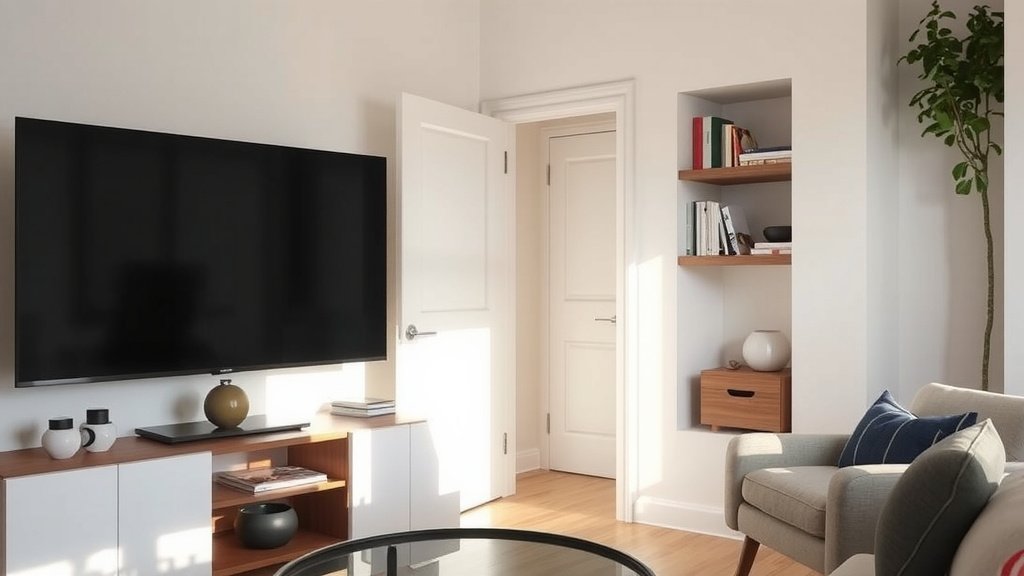
Your Room, Your TV: Making the Decision
Ultimately, the best technology for you depends on where and how you’ll be watching.
Best for Dark Room Cinema Buffs: OLED
If you often watch movies at night, have a dedicated home theater, or simply love that deep, inky blackness for a truly immersive experience, OLED is likely your winner. It provides that stunning contrast that makes dark scenes pop without any grayness. Many users report that once they go OLED for dark viewing, they can’t go back.
Best for Bright Rooms and Vibrant Viewing: QLED
On the flip side, if your TV lives in a sunny living room, you’re a big sports fan, or you just want the most vibrant, eye-popping colors possible, QLED is a fantastic choice. Its superior brightness means you won’t struggle to see the picture, even with the curtains open. We found QLEDs handle reflections a bit better in bright environments too.
Gaming and HDR Enthusiasts
For gamers, both can be excellent. OLED offers incredible contrast and near-instantaneous response times, which is a huge plus for fast-paced games. QLED’s higher brightness can also be a boon for HDR gaming, making explosions and vibrant worlds look even more spectacular. It really depends on your personal preference for dark, inky blacks versus bright, vivid colors.
Quick Checklist for Your TV Choice
To help you solidify your decision, ask yourself these quick questions:
- Does your TV room get a lot of natural light?
- Do you mostly watch movies in a dark or dimly lit room?
- Are vibrant, punchy colors your top priority?
- Is perfect black level and contrast essential for your viewing?
- Do you often play video games or watch HDR content?
- Are you concerned about potential screen burn-in?
By considering these points, you’ll be well on your way to picking the perfect screen for your home. Both OLED and QLED are impressive technologies, and either one can bring incredible entertainment into your life.
Conclusion
Deciding between an OLED and a QLED TV ultimately comes down to your personal viewing preferences and room environment. If you crave the deepest blacks and ultimate cinematic contrast for dimly lit movie nights, OLED is your clear winner. For vibrant, bright scenes and excellent performance in well-lit rooms, especially for sports and HDR content, QLED offers exceptional brightness and color. We found that both technologies deliver stunning visuals, so consider your typical viewing habits and room lighting to make the confident choice for your home entertainment.
Frequently Asked Questions
Is OLED or QLED better for gaming?
Both OLED and QLED offer excellent gaming experiences. OLED provides near-instant response times and incredible contrast for immersive gameplay. QLED’s superior brightness can make HDR gaming pop, and they are generally less prone to image retention concerns during long gaming sessions.
Can OLED TVs really get burn-in?
While OLED TVs can experience burn-in with very static images displayed for extended periods, modern OLEDs have advanced mitigation technologies. For typical TV watching and gaming, burn-in is rarely a significant issue anymore.
Which type of TV is better for watching sports?
QLED TVs are often preferred for watching sports due to their high brightness and vibrant color reproduction. This makes fast-moving action clear and vivid, even in brightly lit rooms where sports are often viewed.
Do OLED TVs look good in a bright room?
OLED TVs can look good in bright rooms, but they might not perform as well as QLEDs. Their lower peak brightness means reflections can be more noticeable, and the stunning contrast might be less impactful in very sunny conditions.
Are QLED TVs worth the extra cost over standard LED TVs?
For many users, yes. The quantum dot technology in QLED TVs significantly enhances color volume and brightness compared to standard LED TVs. This results in a more vibrant and impactful picture, especially for HDR content.