Why Does Your TV Have Glare? Causes and Solutions
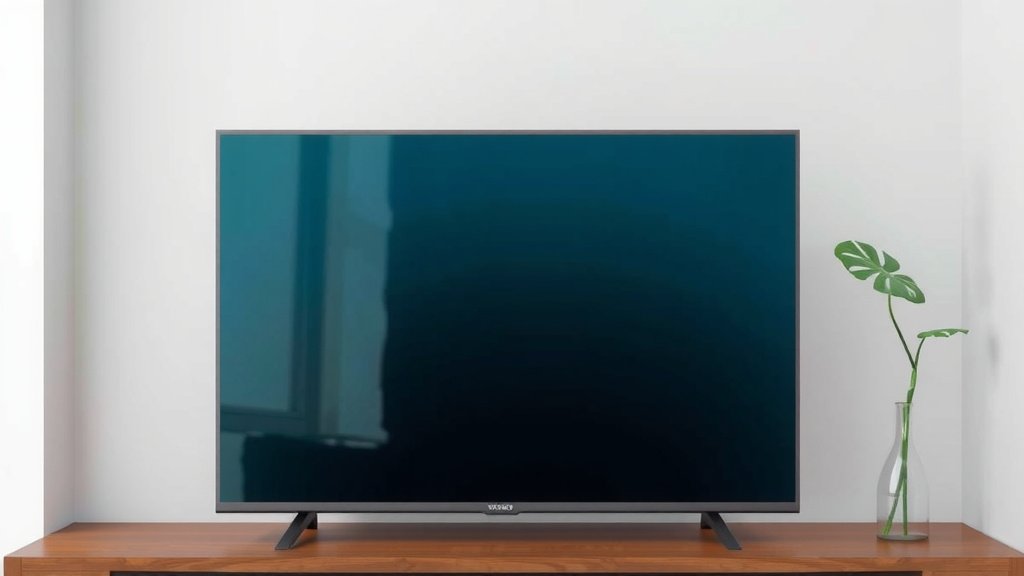
Your TV screen has glare because of its reflective surface. This is especially true for glossy screens common on many modern TVs. Light from windows or lamps bounces off your screen, creating distracting reflections that make it hard to see your favorite shows. We found that this is a very common issue for many TV owners.
This glare can really ruin a good movie night. It’s caused by the way light interacts with the TV’s display panel. Different screen types have different levels of reflectivity. Understanding these differences can help you manage your room’s lighting better. It’s all about finding the right balance for your viewing experience.
- Glare happens because your TV screen is reflective.
- Light from lamps or windows bounces off the glossy screen.
- This makes it hard to see your show clearly.
- Glossy screens are the most common culprits.
Let’s break down why your TV screen might be acting like a mirror and what you can do about it.
“`htmlUnderstanding TV Screen Glare and Reflections
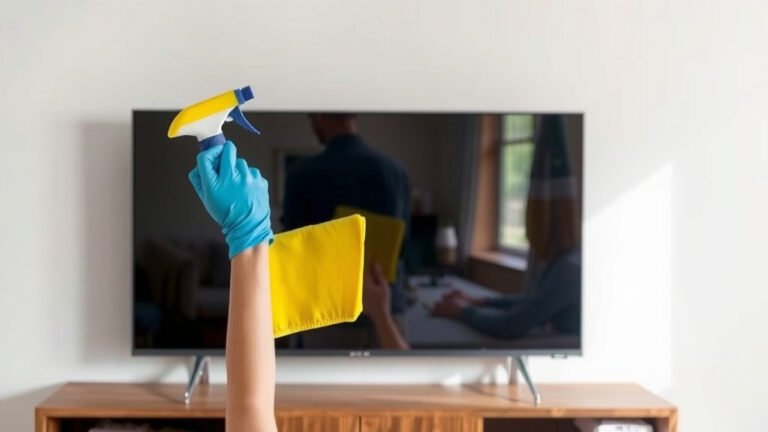
Your TV screen acting like a mirror is a common frustration. This glare happens because most TV screens are shiny and smooth. Light from your room bounces right off them. This makes it hard to enjoy what you’re watching. We found that glossy screens are the biggest culprits for this reflection issue.
Think of it like standing in front of a dark window at night. You can see your own reflection, right? Your TV screen works the same way when bright lights hit it. This reflection can be quite distracting, pulling your attention away from the show. Many people experience this, and it’s usually tied to the type of screen your TV has.
Why Does Your TV Screen Have Glare?
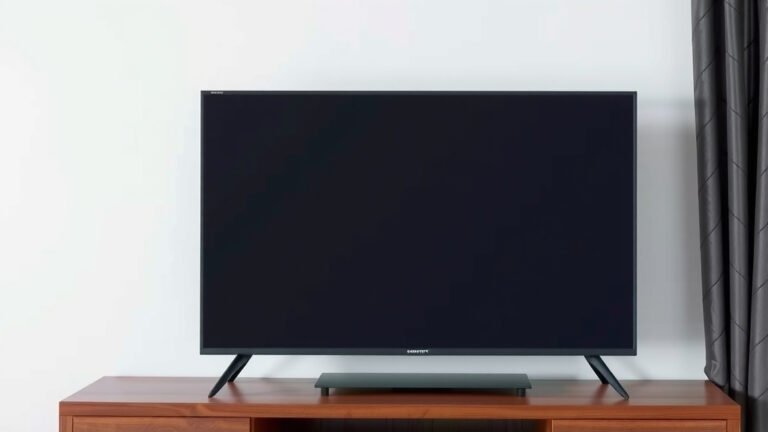
The main reason your TV screen reflects light is its surface finish. Most televisions today come with glossy screens. These screens offer vibrant colors and deep blacks. However, this glossy finish is highly reflective. Light sources in your room, like lamps or even daylight from a window, easily bounce off this surface.
We found that different screen technologies have varying levels of reflectivity. This means some TVs are more prone to glare than others. The way light interacts with the panel is key. It’s not a flaw in your TV, but rather a trade-off for certain display qualities. Understanding this helps you find solutions.
Glossy vs. Matte Screen Finishes
You’ll often see screens described as either glossy or matte. Glossy screens are like a polished mirror. They produce very vivid images with excellent contrast. Colors pop, and blacks look incredibly deep. This is why many premium TVs use this finish. However, the downside is obvious: they reflect everything.
Matte screens, on the other hand, have a more textured surface. This texture diffuses light. Instead of a direct reflection, light scatters. This dramatically reduces glare. While matte screens don’t offer quite the same level of color vibrancy as glossy ones, they are far superior in rooms with lots of ambient light. Many experts say this is a key consideration for TV placement.
How Light Sources Cause Glare
The type and placement of light sources in your room play a huge role. Direct sunlight streaming through a window is a major offender. It’s bright and directly hits your screen. Table lamps or overhead lights positioned in front of the TV also create harsh reflections. These are often described as bright spots or streaks on the screen.
Even indirect light can cause issues. Light bouncing off walls or furniture can still create a diffuse glare. It’s less intense but can still be annoying. We found that controlling these light sources is one of the most effective ways to combat TV glare. It’s about managing your viewing environment.
Common Culprits Behind TV Glare
Several factors contribute to the glare you see on your television. The primary reason is, as we’ve discussed, the reflective nature of the screen. But beyond that, the environment in which you place your TV is critical. Are you aware of the specific environmental factors causing reflections?
Room Lighting
Your room’s lighting setup is a top suspect. Bright overhead lights, especially those directly above or in front of your TV, will cause significant glare. Lamps placed too close to the screen can also create distracting reflections. Many users report that dimming or turning off certain lights helps immediately.
Natural light from windows is another major cause. If your TV is directly opposite a window, you’re almost guaranteed to get glare. The sun’s rays are powerful and will bounce off that glossy screen. We found that even on cloudy days, light levels can be high enough to cause reflections.
Screen Placement and Angle
Where you put your TV matters a lot. Placing it directly in the path of light sources is a common mistake. If your TV faces a window, you’re inviting glare. Similarly, if you have lights behind your seating position, they might reflect onto the screen. Experts suggest angling the TV slightly away from light sources can help. This can redirect the glare off to the side.
The height of your TV can also play a part. If your TV is too low or too high, you might be viewing it at an angle that catches more light. Finding the optimal viewing height and angle can reduce the reflective surface area that catches direct light. It’s about finding that sweet spot.
Types of TV Screens
As we touched on earlier, different screen types have different reflectivity. Most modern TVs use LED or OLED panels. While both offer fantastic picture quality, their screens are typically glossy. Older CRT televisions had a more curved, less reflective surface, but they also had other issues.
Some higher-end TVs might offer an “anti-glare” coating or a matte finish. These are designed specifically to combat reflections. However, these features often come at a higher price point. We found that most standard TVs, especially budget and mid-range models, will have a glossy finish. It’s important to know what kind of screen you have.
| Screen Type | Reflectivity | Pros | Cons |
|---|---|---|---|
| Glossy | High | Vibrant colors, deep blacks, excellent contrast | High glare, poor in bright rooms |
| Matte | Low | Reduced glare, good in bright rooms | Slightly less vibrant colors, contrast can be lower |
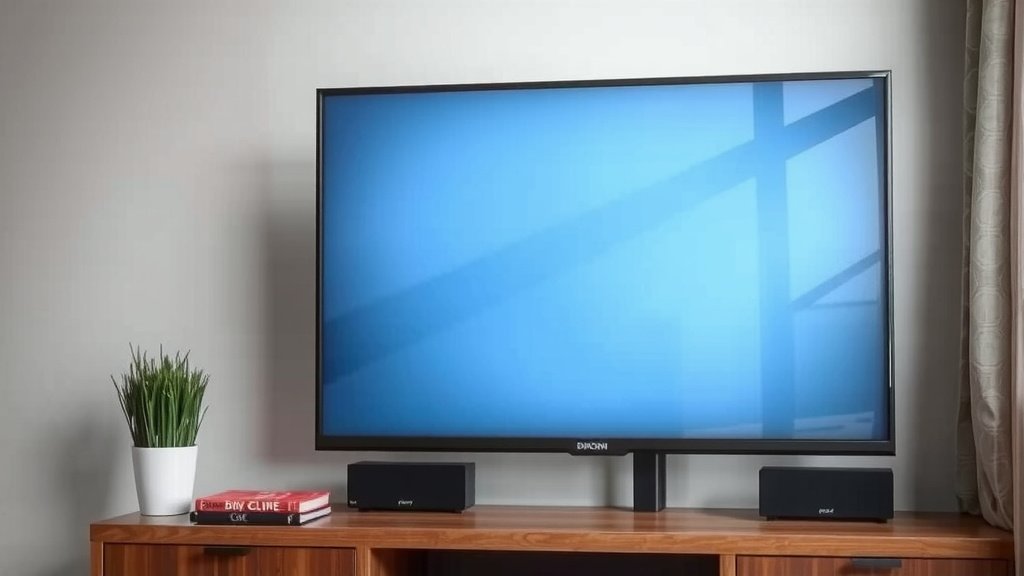
Quick Checklist for Reducing TV Glare
Ready to tackle that annoying glare? Here’s a simple checklist to help you improve your viewing experience:
- Assess your lighting: Identify all light sources hitting your screen.
- Reposition lights: Move lamps or turn off overhead lights during viewing.
- Adjust TV angle: Tilt your TV slightly to redirect reflections.
- Consider window treatments: Use blinds or curtains to block sunlight.
- Check screen type: Know if you have a glossy or matte finish.
- Explore anti-glare solutions: Look into screen protectors or filters if needed.
Conclusion
Your TV’s glare is most often caused by its reflective, glossy screen Your TV’s glare is most often caused by its reflective, glossy screen interacting with light sources in your room. interacting with light sources in your room. We’ve seen how light from windows and lamps bounces off these shiny surfaces, making it tough to enjoy your shows. Understanding whether you have a glossy or matte screen, and managing your room’s lighting and TV placement, are your best defenses. By making a few adjustments, you can greatly improve your viewing experience. Take a moment today to assess your setup and make one small change to reduce that annoying glare.
Frequently Asked Questions
Is a matte TV screen really better for glare?
Yes, a matte screen is generally much better for reducing glare. Its textured surface scatters light, preventing direct reflections. While it might slightly reduce color vibrancy compared to a glossy screen, it makes a huge difference in bright rooms or near windows. We found this is a key factor for comfortable viewing.
Can I fix glare on my existing glossy TV screen?
You can’t change the screen’s finish, but you can manage glare. Adjusting your room lighting is key. Try dimming lights or positioning lamps so they don’t shine directly on the TV. You can also reposition the TV itself or use window coverings. Some people also use anti-glare screen protectors, which we found can be quite effective.
Does the type of TV (LED, OLED, QLED) affect glare?
The type of TV technology (like LED, OLED, or QLED) itself doesn’t directly determine glare. What matters most is the surface finish of the screen panel. Most TVs using these technologies tend to have glossy screens for better picture quality. However, some premium models within these categories might offer matte or anti-glare options.
What’s the best way to position my TV to avoid glare?
The best positioning avoids placing your TV directly opposite a window or light source. Try to place it on a wall perpendicular to windows if possible. If that’s not an option, angle the TV slightly away from light sources. This redirects reflections off to the side, where they are less distracting. We found even a small tilt can help.
Are anti-glare screen protectors worth the money?
For many people struggling with significant glare, anti-glare screen protectors can be a worthwhile investment. They add a matte-like finish to your existing screen, diffusing reflections. While they might subtly alter picture quality, the reduction in glare often makes the trade-off beneficial for your viewing comfort. Research reviews for specific brands.