
LCD TV Explained: How This Display Technology Works
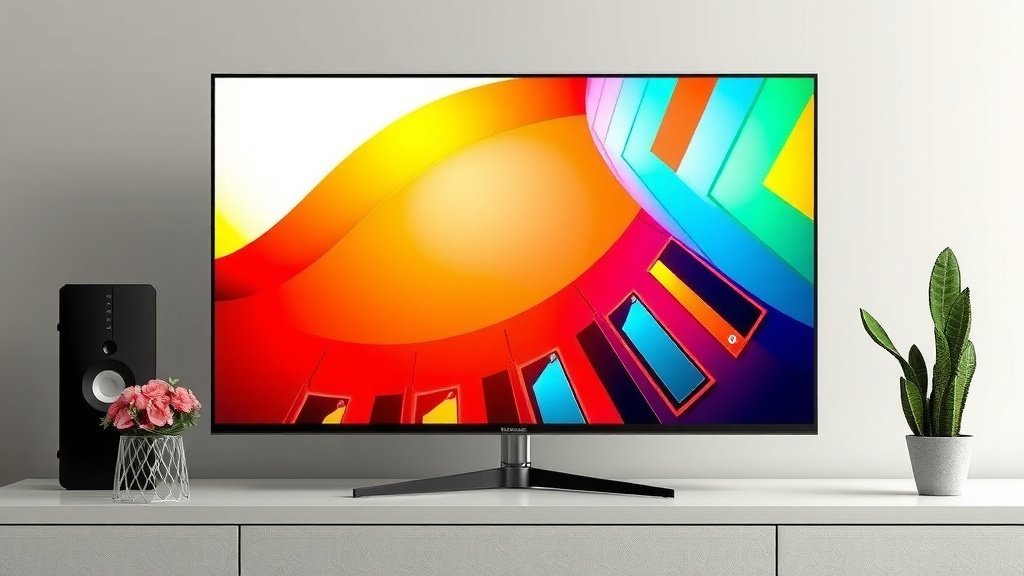
An LCD TV is a type of television that uses liquid crystals to display images. These crystals are arranged in a grid and can block or allow light to pass through. This technology allows for a flat-screen display that’s thinner and lighter than older TV types. LCD TVs are a popular choice for many homes.
You’ve likely seen an LCD TV in action, even if you didn’t realize it. They work by shining light through a layer of liquid crystals. These crystals can change their alignment when an electric current is applied. This ability to twist or untwist controls how much light passes through, creating the colored pixels you see on your screen. Many experts agree this is a clever way to produce vibrant pictures.
- LCD TVs use liquid crystals and a backlight.
- Light passes through crystals to create images.
- They offer flat screens and good picture quality.
- Pixels are formed by controlling crystal alignment.
Ready to dive deeper into how your favorite screen brings shows and movies to life? Let’s look at the technology behind an LCD TV.
“`htmlUnderstanding How Your LCD TV Works
An LCD TV, or Liquid Crystal Display TV, is a really common type of television. You’ve probably got one, or you’ve seen them in hotels, schools, or stores. They make pictures by using a special technology that’s both simple and pretty clever. We’re going to break down what makes these screens so popular.
The Core Components: What’s Inside?
Think of your LCD TV as having a few key layers working together. The most important parts are the liquid crystals, a backlight, and filters. These elements combine to create the images you see on your screen. It’s not magic, but it’s pretty close!
The Role of the Backlight
Every LCD TV needs a light source. This is usually an array of LEDs (Light Emitting Diodes) placed behind the screen. This backlight is the foundation of the image. It provides the illumination that the other layers will shape. Without this light, you wouldn’t see anything at all.
Liquid Crystals: The Twisting Truth
Now, let’s talk about the stars of the show: the liquid crystals. These are special materials that have properties of both liquids and solids. You can imagine them as tiny rods that can align themselves. When you apply an electric current, these rods twist or untwist. This twisting action is the key to controlling light.
Color Filters and Pixels
To get those vibrant colors, the light from the backlight passes through color filters. Each tiny dot on your screen, called a pixel, is actually made up of three sub-pixels: red, green, and blue. By controlling how much light passes through each of these color sub-pixels, the TV can create millions of different shades and colors. The liquid crystals act like tiny shutters, deciding how much of each color gets through.
How Images Are Formed: A Layer-by-Layer Process
So, how does all this come together to show you your favorite show? It’s a carefully orchestrated process. Light travels through the layers in a specific order. This systematic approach ensures you get a clear and bright picture.
From Backlight to Your Eyes
First, the backlight shines. Then, this light travels to the liquid crystal layer. Here, the electrical signals tell the crystals how to twist. A grid of these crystals controls the light passing through. After the crystals, the light hits the color filters. Finally, the light emerges through the front of the screen as a colored pixel. Millions of these pixels work together to form the complete image.
Contrast and Brightness Control
The amount of twist in the liquid crystals directly affects how bright or dark a pixel appears. If the crystals twist fully, they might block most of the light. This creates dark areas in the picture. If they twist less, more light passes through, creating brighter areas. This ability to control light is what gives LCD TVs their contrast. Many find this control essential for a good viewing experience.
Different Types of LCD TVs: What’s the Difference?
While all LCD TVs share the same basic principles, there are a few variations. These differences often come down to how the backlight is managed. Understanding these can help you appreciate the technology even more. They’ve really improved over the years!
Edge-Lit vs. Full-Array Backlighting
You might hear terms like “edge-lit” and “full-array.” Edge-lit TVs have their LEDs around the edges of the screen. This allows for very thin TV designs. Full-array TVs have LEDs spread across the entire back of the screen. This often leads to better brightness and contrast control, especially in dark scenes. Many reviewers found full-array to be superior for picture quality.
Local Dimming Technology
Some full-array TVs use a feature called “local dimming.” This allows the TV to dim or brighten specific zones of the backlight. For example, a dark scene in a movie might have parts of the screen that are very dark. Local dimming can turn off or dim the LEDs in those specific areas. This improves black levels and contrast significantly. It’s like having spotlights that can be precisely controlled.
A Quick Checklist for LCD TV Basics
Want to remember the key takeaways? Here’s a handy checklist:
- LCD TVs use a backlight to create illumination.
- Liquid crystals twist to control light passing through.
- Color filters create red, green, and blue sub-pixels.
- Millions of pixels form the final image on your screen.
- Backlight types (edge-lit, full-array) affect picture quality.
- Local dimming helps improve contrast and black levels.
Why LCD Technology is So Popular
LCD technology has become a household name for good reason. It offers a great balance of picture quality, affordability, and energy efficiency. They were a major step up from older, bulkier TV technologies. Many consumers found the flat-screen design to be a huge improvement for their living rooms. Plus, the picture quality is generally very good for most everyday viewing.
“`
Conclusion
You’ve now learned that an LCD TV is a fascinating piece of technology. It uses a backlight and liquid crystals to create the images you enjoy. The way these crystals twist and align is key to controlling light and color. Understanding the difference between edge-lit and full-array backlighting can even help you appreciate picture quality more. Now that you know how your LCD TV works, you can make more informed choices for your next television upgrade. Consider what viewing experience matters most to you.
Frequently Asked Questions
Are LCD TVs still a good choice in 2024?
Yes, LCD TVs remain a popular and often affordable option. They offer a great balance of picture quality and cost for everyday viewing. While newer technologies exist, many LCDs provide excellent performance for movies, sports, and general TV watching.
What’s the main difference between an LCD and an LED TV?
This is a common point of confusion! An LED TV is actually a type of LCD TV. The difference lies in the backlight: traditional LCDs used CCFL (cold cathode fluorescent lamps), while LED TVs use LEDs (light-emitting diodes) for their backlight. LEDs are more energy-efficient and allow for slimmer designs.
Can I adjust the brightness of my LCD TV’s backlight?
Yes, you typically can. Most LCD TVs allow you to adjust the backlight brightness through the picture settings menu. Lowering the brightness can save energy and reduce eye strain in darker rooms.
How do I know if my LCD TV has local dimming?
You’ll usually find this information in your TV’s specifications or user manual. Manufacturers often advertise “full-array local dimming” (FALD) as a premium feature on their higher-end LCD models. If it’s not mentioned, it likely doesn’t have this advanced feature.
Why do some LCD TVs look better than others in a dark room?
This often comes down to the backlighting technology. Full-array backlighting with local dimming generally provides better contrast and deeper blacks in dark scenes compared to edge-lit LCDs. This allows for a more immersive viewing experience when watching movies in low light.