Curved vs Flat TV: Which Screen Is Right For You
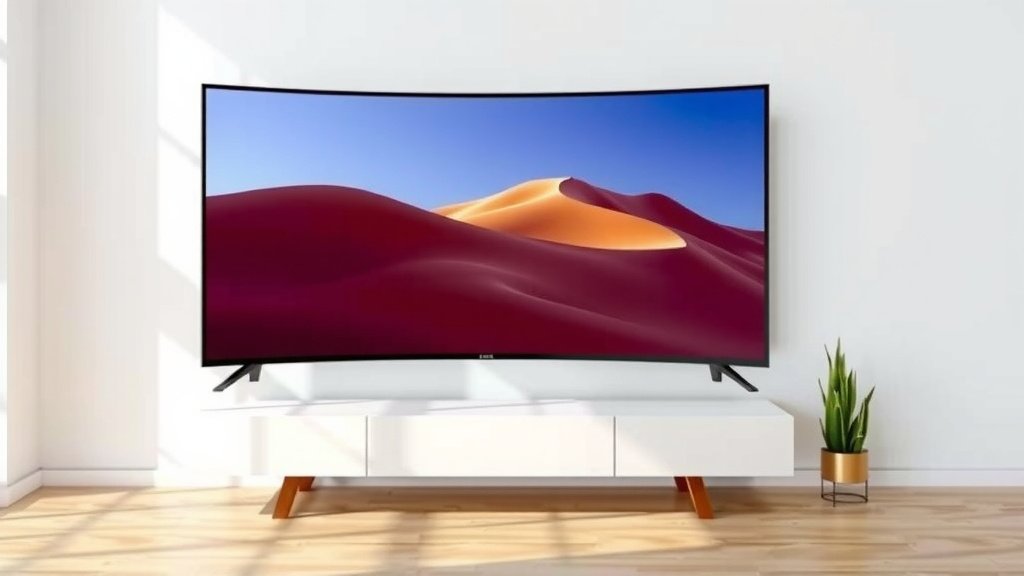
When deciding between a curved TV vs. flat TV, the answer often depends on your viewing space and personal preference. While curved TVs offer a more immersive, cinema-like experience for viewers directly in front of the screen, flat TVs are generally more versatile and work better in rooms with wider seating arrangements.
Many people wonder if a curved screen really makes a difference. Research and user feedback suggest that the perceived benefits of a curved screen, like enhanced depth, can be minimal if you’re not sitting in the ideal spot. Flat screens, on the other hand, provide a consistent viewing angle for everyone in the room.
- Curved TVs offer an immersive view, best for single viewers directly centered.
- Flat TVs are more forgiving with viewing angles, great for families or groups. Flat TVs are great for families or groups, and our guide to choosing a TV for sports can help you find one that suits everyone.
- Curved screens can sometimes cause glare, depending on room lighting.
- Flat TVs generally have a sleeker profile and are easier to mount on walls.
- The choice often comes down to room size and how you’ll be watching.
Let’s break down the pros and cons of each type to help you make the best choice for your home entertainment setup.
Curved vs. Flat TV: What’s the Real Difference for Your Home?
Choosing between a curved and a flat TV can feel like a big decision. You want the best picture and the most enjoyable viewing experience. We’ve looked into what makes each screen shape stand out. The main difference often comes down to how you watch TV and the setup of your room. It’s not just about looks; it affects how you see the picture.
Understanding the Appeal of a Curved Screen
Curved TVs were designed to bring a bit of the movie theater home. The idea is to wrap the picture around you. This can make you feel more involved in what you’re watching. It’s like the screen pulls you into the action. This is especially true when you’re sitting right in the center.
The Immersive Viewing Experience
When you sit directly in front of a curved TV, the edges of the screen seem closer. This creates a sense of depth. Many users report feeling more immersed. It can make watching movies feel more dramatic. The picture seems to fill your field of vision more effectively. This is the main selling point for many people.
Who Benefits Most from a Curved TV?
Curved TVs really shine when you have a dedicated viewing spot. Think of a cozy home theater setup. If you’re usually the only one watching, or if your main seating is perfectly centered, a curved screen can be fantastic. It’s designed for that sweet spot. You get the most out of the curvature there.
Ideal Seating Arrangements
If your living room has a main sofa, and you often sit dead center, great! A curved TV might be perfect for you. It’s about having that focused, personal viewing area. You won’t need to worry as much about angles. Your experience will be consistently engaging.
Potential Downsides of Curved Screens
However, curved TVs aren’t perfect for everyone or every room. One common issue is glare. Light sources in your room can reflect off the curved surface. This can sometimes be more noticeable than on a flat screen. It depends a lot on your lighting.
Also, sitting off to the side can change the picture. The immersive effect diminishes. The sides of the screen can appear slightly distorted. Research has shown that viewing angles can be a problem for groups (Rtings.com). This means not everyone gets the same great view.
The Enduring Popularity of Flat-Screen TVs
Flat-screen TVs have been the standard for a long time. They are well-loved for a reason. Their simplicity and versatility make them a safe bet for most homes. They fit into nearly any room design. Plus, they are easy to place and enjoy.
Consistent Picture Quality for All
One of the biggest advantages of a flat TV is its viewing angle. Everyone in the room can usually see a clear picture. No matter where you sit, the image quality remains largely the same. This is a huge plus for families or when you have friends over.
We found that flat screens offer a more uniform experience. There’s less distortion at the edges compared to curved models. This means fewer arguments about who gets the best seat! It’s about shared enjoyment of the content.
Design and Installation Flexibility
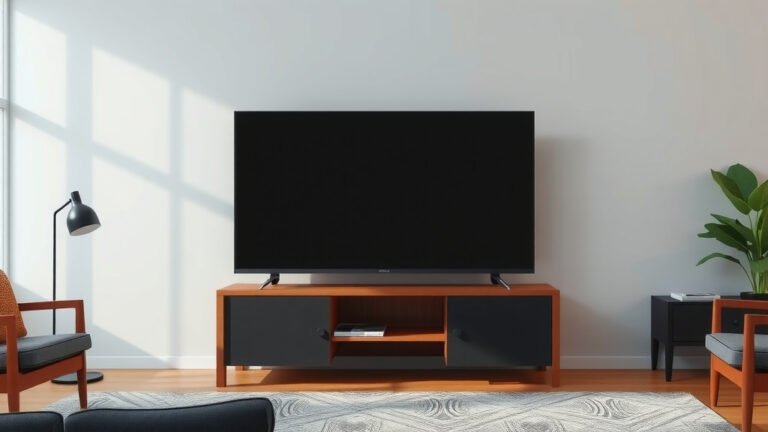
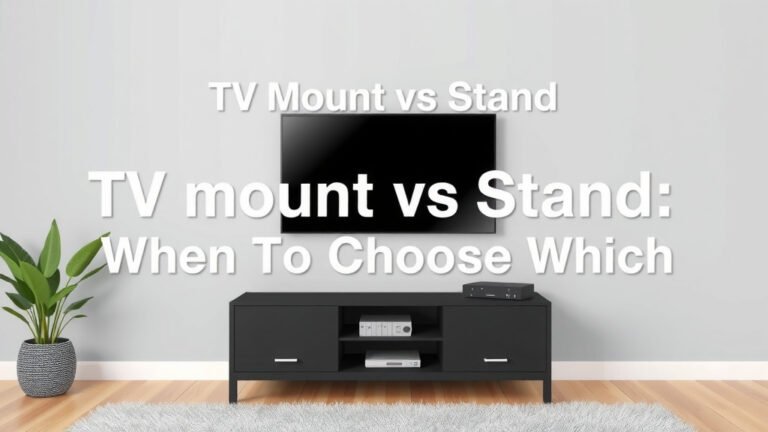
Flat TVs are often sleeker and lighter. They mount flush against a wall, creating a clean look. This minimalist design blends well with modern decor. You don’t need a special stand or mount for a curved TV.
Many find flat TVs easier to position. They work well in corners or on shelves. Their slim profile means they don’t stick out as much. This is great for smaller rooms where space is a concern.
When is a Flat TV the Better Choice?
If your room isn’t set up for a single, central viewing position, a flat TV is likely your best bet. Think about a wide living room. Or a space where people might be sitting on couches or chairs at different angles. A flat screen ensures everyone enjoys the show. Experts often recommend flat screens for their broad appeal (Consumer Reports).
Key Factors to Consider for Your Decision
To help you decide, let’s think about your specific needs. What’s most important to you? Is it that theater-like immersion, or is it ensuring everyone sees clearly?
Room Size and Layout
Consider the size of your room. For smaller rooms, a flat TV might feel less intrusive. In larger rooms, a curved TV could potentially fill more of your vision if you sit close enough. Think about how far away you usually sit from the screen.
Viewing Habits
How do you watch TV? Mostly alone or with others? If it’s often a group activity, a flat screen is a strong contender. If you’re a solo cinephile, and you have the perfect spot, a curved TV could be exciting.
Lighting Conditions
Think about the lights in your room. Do you have bright windows opposite your TV? Or lamps that might cause reflections? If glare is a concern, a flat screen might handle it better. Some curved screens can minimize reflections, but it depends on the specific model.
Budget and Availability
Historically, curved TVs were often priced higher. However, as technology evolves, prices change. You might find a wider range of options and better deals on flat-screen models. Availability of specific sizes and features can also play a role.
| Feature | Curved TV | Flat TV |
|---|---|---|
| Immersion | High (centered viewing) | Moderate |
| Viewing Angles | Limited | Wide |
| Glare | Can be more noticeable | Generally less noticeable |
| Room Fit | Best for dedicated seating | Versatile for any room |
| Design | Unique, can protrude | Sleek, wall-mount friendly |
Your Checklist for Choosing
Here’s a quick way to check your priorities:
- Do you have a specific, central viewing spot?
- Is your room wide with many seating areas?
- How much do you value immersion versus group viewing?
- Is glare a big concern in your room?
- Do you prefer a TV that sits flush on the wall?
- What’s your budget and preferred screen size?
Conclusion
Deciding between a curved and a flat TV really boils down to your personal setup and viewing habits. If you’re a solo viewer who loves to sit front and center for an immersive movie experience, a curved TV might be your perfect match. However, for most households, especially those with multiple viewers or varied seating arrangements, a flat TV offers superior versatility and consistent picture quality for everyone. Consider your room’s layout, how you typically watch, and any lighting concerns. Ultimately, choose the screen that best suits how you enjoy your entertainment.
Frequently Asked Questions
Will a curved TV really make my gaming feel more immersive?
For single players sitting directly in front of a curved TV, the wrap-around effect can indeed enhance immersion. The edges of the screen feel closer, pulling you into the game. If you often play with others or in a more casual setting, a flat TV might offer a more consistent experience for everyone.
Can I mount a curved TV on the wall just like a flat TV?
Yes, most curved TVs can be mounted on a wall, but they often require specific mounting brackets designed for their curvature. They might also protrude slightly more from the wall than a slim flat-screen TV. Always check the manufacturer’s recommendations for wall mounting.
Do curved TVs cause more glare than flat TVs?
Generally, curved TVs can be more susceptible to glare from room lighting. The curved surface can sometimes direct reflections towards the viewer more directly. However, this varies by model, and some curved screens have anti-glare coatings. It’s always good to test a TV in your actual room lighting if possible.
Is a flat TV always better for watching sports with a group?
For group viewings, especially for fast-paced events like sports, a flat TV is usually the better choice. Its wide viewing angles ensure that everyone in the room gets a clear and consistent picture, regardless of where they’re sitting. This prevents distortion or washed-out colors at the sides.
Are curved TVs still being made and sold?
While the peak popularity of curved TVs has passed, you can still find them available from various manufacturers. However, the market has largely shifted back towards flat-screen models, offering a wider selection and often better prices. It’s worth checking current inventory for both types.