QLED vs LED TV: What’s the Difference You Need to Know
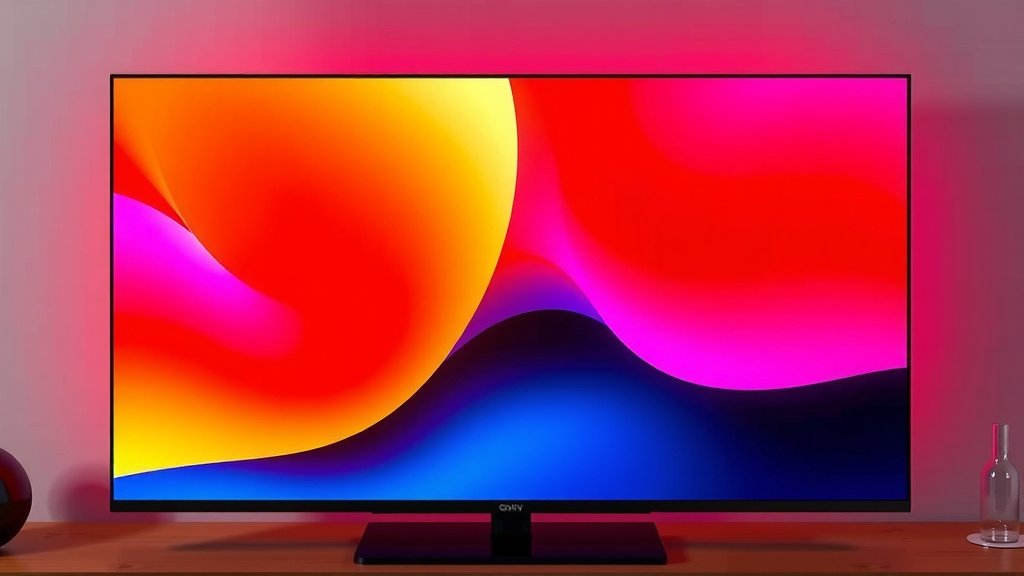
When comparing QLED vs LED TVs, the main difference comes down to how they produce color and brightness. QLED TVs use a layer of tiny particles called quantum dots to produce a wider range of colors and brighter images than standard LED TVs. So, if you’re looking for the Learn how QLED TVs work to understand their enhanced color and brightness.most vibrant colors and the brightest picture, QLED often has the edge.
Both QLED and LED are types of LCD technology. They both use a backlight to illuminate the pixels on your screen. However, QLED TVs employ quantum dots to enhance the light from the backlight. This allows for better color accuracy and contrast, especially in well-lit rooms. Many experts agree that this quantum dot layer makes a noticeable difference in picture quality.
- QLED uses quantum dots for brighter, more vibrant colors.
- LED TVs are a great standard option.
- Both are types of LCD technology.
- QLED generally offers better contrast and color accuracy.
Let’s break down what that really means for your viewing experience and help you decide which type of TV is the best fit for your home.
Understanding the Differences: QLED vs. LED TV Technology
So, you’re in the market for a new TV, and the acronyms QLED and LED are flying around. It can feel a bit overwhelming, right? Let’s break down what makes these two technologies tick and how they actually affect what you see on your screen. Think of it like this: LED is the solid foundation, and QLED is that foundation with a special upgrade for even better performance.
The core difference really boils down to how each TV produces its stunning colors and impressive brightness. While both are types of LCD TVs, using a backlight and liquid crystals, QLED TVs have an extra layer. This layer uses tiny, almost microscopic particles called quantum dots. These dots are the secret sauce that allows QLED TVs to shine brighter and show a wider spectrum of colors than their LED counterparts. This can make a real difference, especially when you’re watching vibrant nature documentaries or action-packed movies.
How LED TVs Light Up Your World
Let’s start with the familiar. An LED TV is essentially an LCD TV that uses LEDs (light-emitting diodes) for its backlight. These LEDs are positioned behind or around the edges of the screen. They illuminate the liquid crystals, which then block or allow light to pass through to create the images you see. It’s a tried-and-true technology that has brought us great picture quality for years.
The Basics of LED Backlighting
There are a couple of ways the LEDs can be arranged. You’ll often hear about “edge-lit” and “full-array” LED TVs. Edge-lit TVs have LEDs placed along the edges of the screen. This can make TVs thinner, but sometimes the brightness can be a bit uneven. Full-array TVs have LEDs spread across the entire back of the screen. This usually means better control over brightness and contrast.
What to Expect from a Standard LED TV
A good LED TV can offer a fantastic viewing experience. You’ll get sharp images and decent colors for everyday viewing. They are often more budget-friendly, making them a popular choice for many households. If you watch TV in a moderately lit room and aren’t chasing the absolute peak of color vibrancy, an LED TV will likely serve you very well.
Diving Deeper into QLED Technology
Now, let’s talk about QLED. Remember those quantum dots we mentioned? They are the key differentiator. These are semiconductor nanoparticles that emit different colors when light hits them. In a QLED TV, these quantum dots are placed in a film between the LED backlight and the LCD layer.
The Magic of Quantum Dots
When the LED backlight shines through the quantum dot layer, each dot glows with a very pure and precise color. This allows the TV to produce a much wider range of colors and achieve higher brightness levels. Think of it like upgrading from regular paint to specialized, high-pigment artist paints. The result is incredibly lifelike and vibrant images. Many tech reviews highlight this enhanced color volume as a major win for QLED.
Brighter and Bolder: QLED’s Advantage
QLED TVs are known for their impressive brightness. This is super helpful if you have a bright living room with lots of windows. The extra brightness means the picture doesn’t get washed out by ambient light. You can still see all the details, even during daytime viewing. This makes QLED a strong contender for well-lit environments.
Color Accuracy and Volume
Beyond just brightness, quantum dots help achieve better color accuracy. They can produce purer red, green, and blue light, which are the building blocks of any image. This leads to more realistic and natural-looking colors. Furthermore, QLEDs often boast superior “color volume,” meaning they can display those vibrant colors consistently, even at very bright levels. This is something standard LED TVs struggle to match.
Comparing Performance: QLED vs. LED Head-to-Head
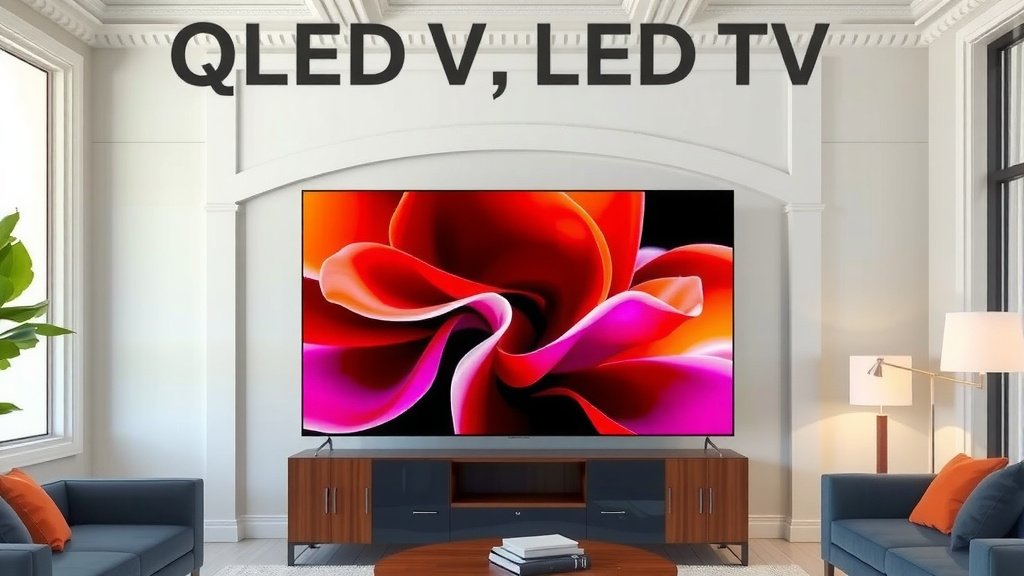
When you place a QLED TV and a high-quality LED TV side-by-side, the differences can become quite apparent, especially under certain viewing conditions. Let’s look at some key areas.
Brightness and Contrast
QLED TVs generally win when it comes to peak brightness. This means brighter highlights in movies and better visibility in sunny rooms. For contrast, which is the difference between the darkest darks and the brightest whites, both technologies have advanced. However, premium QLED TVs, often with advanced local dimming features, can offer deeper blacks and more impactful contrast ratios than many standard LED models. Still, some top-tier LED TVs can give QLEDs a run for their money in contrast.
Color Reproduction
This is where QLED truly stands out. The quantum dots allow for a wider color gamut and better color volume. This means more shades of color are available, and they are displayed more accurately and vibrantly, especially at higher brightness settings. If you’re a cinephile or gamer who appreciates the most realistic and punchy colors, QLED has a clear advantage here.
Viewing Angles
Traditionally, LCD-based technologies, including both LED and QLED, could suffer from color and brightness shifts when viewed from off-center angles. However, manufacturers have made significant strides. Many newer QLED and high-end LED TVs now offer much-improved viewing angles, making them suitable for larger rooms where viewers might not be directly in front of the screen.
Price Point and Value
Generally speaking, QLED TVs tend to be more expensive than comparable LED TVs. This is due to the added cost of the quantum dot technology. However, as QLED becomes more mainstream, the price gap has narrowed. You can often find QLED models at competitive prices, especially during sales events. The “value” really depends on what you prioritize: budget or ultimate picture performance.
| Feature | LED TV | QLED TV |
|---|---|---|
| Backlight Technology | LEDs | LEDs with Quantum Dots |
| Brightness | Good to Very Good | Very Good to Excellent |
| Color Range & Vibrancy | Good | Excellent |
| Contrast Ratio | Good to Very Good | Very Good to Excellent (with local dimming) |
| Viewing Angles | Fair to Good (improving) | Good to Very Good (improving) |
| Price | More Affordable | Generally Higher (but narrowing) |
Making Your Choice: Which TV is Right for You?
Deciding between QLED and LED ultimately comes down to your personal preferences and viewing habits. There’s no single “best” for everyone. Consider these points to guide your decision.
- Your Viewing Environment: Do you watch TV in a bright room with lots of natural light? A QLED might be a better fit due to its superior brightness.
- Your Budget: If you’re on a tighter budget, a high-quality LED TV can still offer an excellent picture for your money.
- Your Content: Are you a movie buff who craves the most vibrant colors and deepest blacks? QLED might offer that extra “wow” factor.
- Your Priorities: For everyday TV watching, news, and sports, a good LED might be perfectly sufficient. For an immersive, cinematic experience, QLED often takes the crown.
Think about where the TV will live and what you’ll be watching most often. This will help you focus on the features that matter most to you.
Quick Checklist for Your Decision
Use this to quickly recap what you need to consider:
- Room brightness (bright vs. dim).
- Budget for your new TV.
- Importance of vibrant colors.
- Need for peak brightness.
- How far will you sit from the screen?
- Your favorite types of content to watch.
Conclusion
So, you’ve learned the core differences between QLED and LED TVs. QLED TVs use quantum dots for brighter, more vibrant colors and better color volume. Standard LED TVs offer a great picture and are often more budget-friendly. Your choice depends on your priorities. If you watch in a bright room and crave the most vivid picture, QLED is likely your winner. For excellent everyday viewing without breaking the bank, an LED TV is a fantastic option. Now, take a moment to consider your room’s lighting and what you love to watch most. This will help you make the perfect TV choice for your home.
Frequently Asked Questions
Are QLED TVs worth the extra cost over LED TVs?
Research suggests that for most viewers, the added cost of a QLED TV can be justified if you prioritize exceptional color vibrancy and brightness, especially in well-lit rooms. If budget is a primary concern or you watch in dimmer conditions, a high-quality LED TV might offer better value.
Can an LED TV look as good as a QLED TV in a dark room?
In a dark room, the difference in contrast and black levels between a high-end LED TV and a QLED TV may be less noticeable. Both technologies have improved their ability to produce deep blacks, though premium QLEDs often still have an edge with advanced dimming features.
Do I need a QLED TV for gaming?
For gamers, both QLED and high-quality LED TVs can provide an excellent experience. QLEDs offer superior color and brightness which can enhance immersion. However, many LED TVs also offer fast response times and low input lag, which are critical for responsive gaming.
How do viewing angles differ between QLED and LED?
While both QLED and LED are LCD technologies, manufacturers have made significant improvements to viewing angles on both. Generally, you can expect good to very good viewing angles on most modern QLED models, and improving angles on higher-end LED sets, but it’s always best to check specific model reviews.
Is QLED technology just a marketing term for better LEDs?
No, QLED is distinct technology. While both use LED backlighting, QLED adds a layer of quantum dots between the backlight and the LCD panel. These quantum dots are responsible for producing purer, more vibrant colors and achieving higher brightness levels, which is a tangible technological difference.