Beginner’s TV Buying Guide: What You Need to Know

Buying your first TV can feel like navigating a maze, but the answer to “what’s the best TV for beginners” is simple: it depends on your budget and viewing habits. We found that starting with a solid 4K Smart TV is usually the best bet for most people. This gives you excellent picture quality and easy access to streaming apps. Don’t worry, we’ll help you figure out the perfect fit for your living room.
There are a few key things to consider beyond just screen size. Resolution, like 4K, makes a huge difference in clarity. Smart features let you stream your favorite shows without extra devices. We found that understanding basic terms like HDR and refresh rate can also help you make a smarter choice. It’s not as complicated as it sounds!
- Screen Size Matters: Pick a size that fits your room.
- Resolution is Key: 4K offers great detail.
- Smart TV Features: Access streaming services easily.
- Budget Wisely: Set a price range before you shop.
- Picture Quality: Look for good contrast and color.
Let’s walk through the most important features to look for so you can find a TV you’ll love for years to come.
Navigating Your First TV Purchase
Ready to upgrade your entertainment setup? Buying your first TV can seem overwhelming with all the tech jargon. But don’t worry, we’re here to guide you through it. We’ve broken down the key features to help you make an informed decision. Think of this as your friendly roadmap to finding the perfect screen for your home.
Understanding Screen Size and Your Space
The first thing most people think about is screen size. How big should your TV be? The answer really depends on your room and how far away you’ll be sitting. A massive TV might overwhelm a small space. Too small, and you might miss out on the immersive experience.
Finding the Right Fit for Your Room
To figure this out, measure your viewing distance. That’s the space between your sofa and where the TV will go. We found that for a 4K TV, a good rule of thumb is to divide your viewing distance by 1.5 to 2.5. This gives you a recommended screen size range. To figure this out, you should measure your viewing distance.
For example, if you sit about 6 feet (72 inches) away, a 40-50 inch TV might be ideal. Sit further back, say 10 feet (120 inches), and you can comfortably go up to 65-75 inches. We always recommend checking the manufacturer’s guidelines too.
Viewing Distance Recommendations (for 4K TVs)
It’s helpful to have a quick reference. Here’s what we often see recommended:
| Viewing Distance (approx.) | Recommended Screen Size (diagonal) |
|---|---|
| 4 feet | 20-30 inches |
| 5 feet | 30-40 inches |
| 6 feet | 40-50 inches |
| 7 feet | 45-55 inches |
| 8 feet | 50-65 inches |
| 9 feet | 60-70 inches |
| 10 feet | 65-75 inches |
Resolution: The Power of Pixels
Resolution tells you how many pixels make up the picture. More pixels mean a sharper, clearer image. You’ll see way more detail. This is where 4K really shines, especially on larger screens.
Why 4K is Your Best Bet
Most new TVs today are 4K, also known as UHD (Ultra High Definition). They have about 8 million pixels. That’s four times as many as older 1080p HD TVs. We found that the jump from HD to 4K is very noticeable. Images look more lifelike and textures are clearer.
You might hear about 8K TVs. While they offer even more pixels, content is still scarce. For most beginners, 4K provides an excellent balance of quality and value. You’ll find plenty of 4K movies, shows, and games to enjoy.
Understanding Other Resolutions
You might still see older resolutions like 1080p (Full HD) or even 720p (HD). These are generally found on smaller, less expensive TVs. While they might be fine for a secondary screen, they won’t offer the same visual punch as 4K. We recommend sticking with 4K for your main viewing experience.
Smart TV Features: Entertainment at Your Fingertips
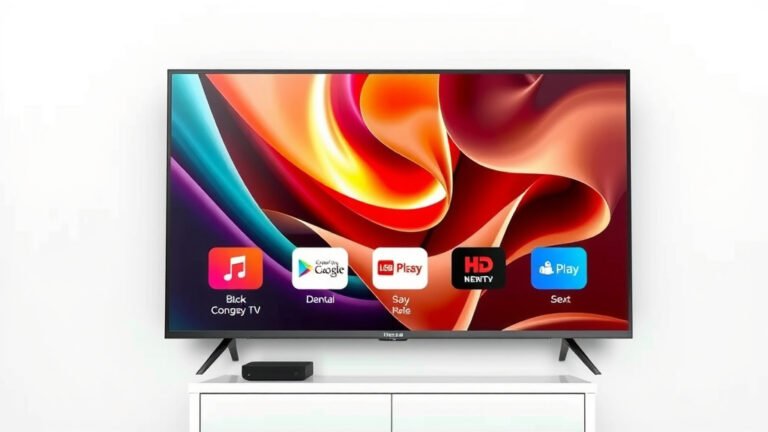
What exactly is a Smart TV? Simply put, it’s a TV that connects to the internet. This connection lets you access streaming services like Netflix, Hulu, Disney+, and YouTube directly on your TV. No extra streaming boxes needed!
The Convenience of Built-in Apps
We found that Smart TV platforms are incredibly convenient. You can browse and launch your favorite apps with your remote. Many smart TVs also let you connect to smart home devices. It’s like having a mini-computer built into your television.
Popular Smart TV Operating Systems
Different brands use different smart TV systems. Some common ones include:
- Roku TV: Known for its user-friendly interface and wide app selection.
- Google TV/Android TV: Offers a vast app store and Google Assistant integration.
- LG’s webOS: Features a clean, intuitive design.
- Samsung’s Tizen OS: Sleek and fast, with good app support.
- Amazon’s Fire TV: Integrates well with Amazon services and Alexa.
We suggest trying out the interface in a store if possible. See which one feels most comfortable for you. Most experts agree that a good operating system makes a big difference in your daily TV use.
Picture Quality: More Than Just Resolution
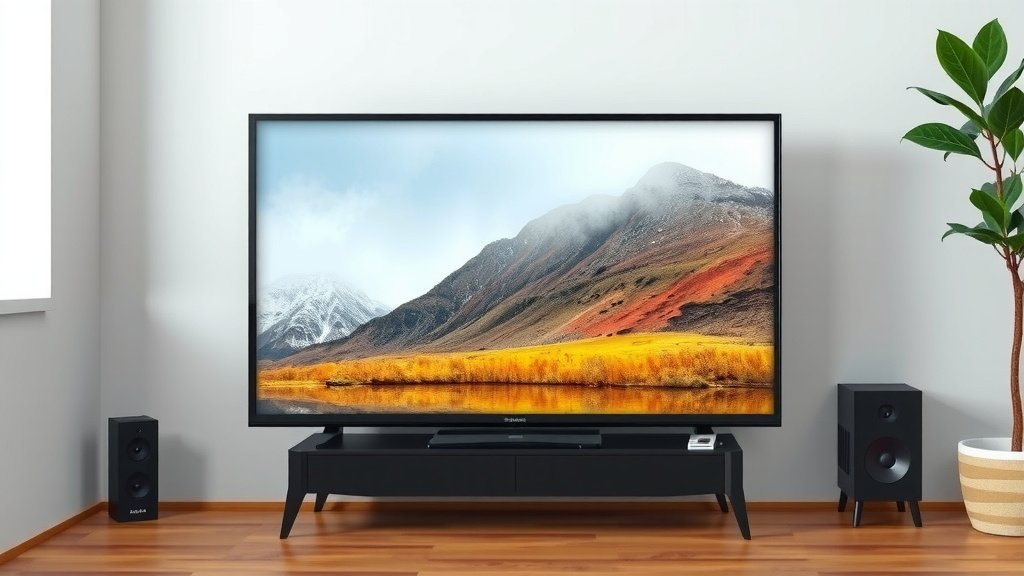
Beyond resolution, several technologies impact how good a picture looks. These can sound complicated, but we’ll simplify them for you. Think of them as enhancements that make colors pop and details stand out.
HDR: Bringing Colors to Life
HDR stands for High Dynamic Range. It allows the TV to display a wider range of colors and contrast. This means brighter whites, darker blacks, and more vibrant, realistic colors. We found that HDR content looks significantly better than standard content.
You’ll see different HDR formats like HDR10, HDR10+, and Dolby Vision. HDR10 is the standard. Dolby Vision and HDR10+ are more advanced and can offer better picture optimization. For beginners, just knowing what HDR means is a good start.
Refresh Rate: Smoothness in Motion
Refresh rate is measured in Hertz (Hz). It tells you how many times per second the TV updates the image. A higher refresh rate means smoother motion, which is great for sports and fast-paced action movies. Most standard TVs have a 60Hz refresh rate. Higher-end TVs might offer 120Hz.
We found that for casual viewing, 60Hz is usually perfectly fine. If you’re a big sports fan or a gamer, you might want to look for a 120Hz panel. It really makes a difference in clarity during fast scenes.
Your First TV Buying Checklist
To wrap it up, here’s a quick list to keep in mind as you shop:
- Measure your viewing distance.
- Prioritize 4K resolution.
- Choose a Smart TV with your preferred apps.
- Consider HDR for better colors.
- Think about refresh rate for fast action.
- Set a budget before you start looking.
With these points in mind, you’re well on your way to finding a TV you’ll enjoy for years to come!
Conclusion
You’re now ready to find your first TV! Remember, the best TV for you balances your budget and how you watch. We found that a 4K Smart TV is a fantastic starting point for most beginners. It offers great picture quality and easy access to all your favorite streaming content. Don’t let the tech terms scare you; focus on screen size for your room and the clarity of 4K. With these tips, you’re well-equipped to make a confident purchase. Your next step is to measure your viewing distance and then start browsing models that fit your needs and budget.
Frequently Asked Questions
How do I know what size TV to buy?
To find the right TV size, measure the distance between your couch and where the TV will be. A good rule of thumb for 4K TVs is to divide that distance by 1.5 to 2.5. This will give you a recommended screen size range that ensures an immersive viewing experience without being too overwhelming for your space.
Is 4K resolution really that much better than 1080p for a first TV?
Yes, 4K resolution offers about four times the pixels of 1080p. We found that this jump in pixel count makes a huge difference in picture clarity and detail, especially on larger screens. For most people buying their first TV today, 4K provides a noticeable upgrade in image quality for a reasonable price.
What’s the easiest way to access streaming services on my TV?
Look for a Smart TV! Smart TVs connect to the internet, allowing you to download and use streaming apps like Netflix, Hulu, and Disney+ directly on the TV itself. This means you won’t need a separate streaming device, simplifying your setup and making it easy to jump into your favorite shows.
Do I need to worry about HDR if I’m just starting out?
While HDR can enhance colors and contrast for a more vibrant picture, it’s not the absolute first thing to worry about as a beginner. Focus on getting a 4K Smart TV that fits your budget and room size. If you find models with HDR support in your price range, it’s a great bonus that will make your viewing experience even better.
What’s more important: refresh rate or picture quality features like HDR?
For most casual viewers, picture quality features like HDR and good contrast are often more noticeable than a super high refresh rate. We recommend prioritizing 4K resolution and Smart TV capabilities first. If you’re a big sports fan or a serious gamer, then a higher refresh rate (like 120Hz) becomes more important for smoother motion.