Understanding TV RGB Range: What You Need to Know
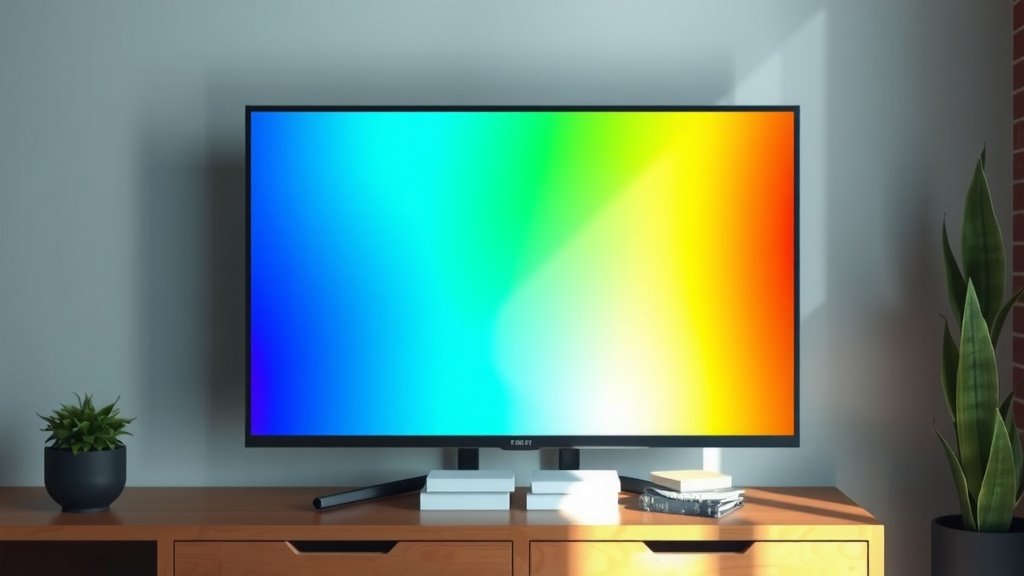
RGB range on a TV refers to the spectrum of colors your television can display. It determines how many shades of red, green, and blue your screen can produce, impacting overall picture quality and color realism. A wider RGB range means your TV can show more vibrant and accurate colors.
Think of it like the difference between a crayon box with 8 colors and one with 64. A wider RGB range allows for a more subtle and lifelike picture. This impacts everything from the deep blues of the ocean to the fiery reds of a sunset, offering a more immersive viewing experience.
- RGB range defines your TV’s color capability.
- It’s about how many shades of red, green, and blue it can show.
- A wider range means more vibrant and lifelike colors.
- It greatly impacts the overall picture realism and immersion.
We found that understanding RGB range can really help you appreciate your TV’s picture. Let’s break down what it means for your viewing.
Here’s the main body content for your blog post.Understanding Your TV’s Color Spectrum
So, what exactly does “RGB range” mean for your TV? It’s all about the building blocks of color on your screen. Think of red, green, and blue (RGB) as the primary paint colors. Your TV mixes these three to create every other color you see. The “range” tells you how many different shades of each of these primary colors your TV can produce. A wider range means more detailed and accurate colors.
Imagine you only have a few shades of red. A bright stop sign might look a bit flat. But if your TV can show dozens of shades of red, that stop sign can have depth and realism. This impacts everything from the subtle blush on a character’s cheeks to the vibrant green of a lush forest. We found that many people don’t realize how much this affects their viewing.
The Basics of RGB Color
Your TV screen is made up of tiny dots called pixels. Each pixel can display a specific color. To do this, each pixel has three tiny sub-pixels: one red, one green, and one blue. By controlling the brightness of these three sub-pixels, the pixel can create millions of different colors. This is how your TV creates the entire picture.
The range of your TV refers to how precisely it can control the brightness of these red, green, and blue sub-pixels. It’s not just about *if* it can show red, but *how many different types* of red it can display. A limited range might make colors look washed out or overly saturated.
What Does “Range” Actually Mean?
When we talk about RGB range, we’re often talking about the color gamut. A color gamut is a specific set of colors that a device can display. Think of it like the size of your artist’s palette. Some palettes are small, with just the basic colors. Others are huge, with a vast array of shades and hues.
A wider color gamut means your TV can reproduce more colors. This is especially noticeable in scenes with subtle color transitions or very bright, saturated colors. Many experts recommend looking for TVs that cover a wide color gamut for the best visual experience.
Common Color Gamuts You’ll See
You’ll often see terms like sRGB, DCI-P3, and Rec. 2020 when discussing color gamuts. sRGB is a standard that was common for a long time, especially for web content. DCI-P3 is a wider color space used in digital cinema, meaning it covers more colors than sRGB.
Rec. 2020 is even wider and is the standard for Ultra HD (4K) and HDR (High Dynamic Range) content. A TV that can display a high percentage of DCI-P3 or Rec. 2020 can show more vibrant and lifelike colors. We found that a TV covering 90% or more of DCI-P3 is generally considered excellent for modern content.
| Color Gamut | Primary Use | Color Coverage |
|---|---|---|
| sRGB | Web, older content | Standard |
| DCI-P3 | Digital Cinema, HDR | Wider than sRGB |
| Rec. 2020 | UHD, HDR content | Widest standard |
Limited vs. Wide RGB Range: What’s the Difference?
A TV with a limited RGB range will struggle to show the full spectrum of colors intended by content creators. Colors might look a bit muted, less intense, or even slightly “off.” For example, a vibrant sunset might appear duller than it should. You might miss out on subtle details in darker scenes too.
On the other hand, a TV with a wide RGB range can display these colors more accurately. This means richer blues, deeper reds, and more nuanced greens. You’ll notice a big difference in how realistic and immersive your viewing experience feels. We found that wide-gamut TVs make movies and games truly pop.
Impact on Picture Quality
The impact on picture quality is quite substantial. A wider range means better contrast between colors and more precise color gradations. This makes images look more three-dimensional. Instead of just seeing colors, you start to feel their depth and texture. It’s like the difference between a simple drawing and a detailed painting.
For HDR content, a wide RGB range is almost essential. HDR content is designed to have a much greater range of brightness and color than standard content. Without a wide color gamut, your TV simply can’t show all those extra colors and details. Many sources, like the Consumer Technology Association, highlight this for HDR performance.
How RGB Range Affects What You See
Think about your favorite nature documentary. If your TV has a limited RGB range, the lush green of a jungle might look a bit faded. The deep blue of the ocean might not have that same sense of depth. You might not see the subtle variations in a bird’s colorful feathers.
With a TV that has a wide RGB range, these scenes come alive. The greens are richer, the blues are more profound, and the fine details in colors are preserved. This makes the viewing experience much more engaging and lifelike. It’s a key factor in achieving that cinematic feel at home.
Real-World Viewing Examples
Consider a scene with a colorful crowd at a festival. A limited range might make all the outfits blend together. A wide range will allow you to see the distinct vibrancy of each costume. Or imagine watching a space movie; the deep blacks of space should be rich and dark, with stars appearing as sharp points of light. A poor RGB range can make blacks look grayish, and stars can lose their definition.
We found that for gaming, a wide RGB range also makes a difference. Vibrant in-game worlds feel more immersive. The subtle color cues in competitive games can even be clearer. It all adds up to a more enjoyable and visually satisfying experience for all types of content.
Is a Wider RGB Range Always Better?
For the most part, yes. A wider RGB range generally means your TV can reproduce a broader and more accurate spectrum of colors. This is especially true if you’re watching content mastered for wide color gamuts, like 4K HDR movies or modern video games.
However, it’s important to match your TV’s capabilities with the content you watch. If you primarily watch older TV shows or standard definition content, the benefits of an extremely wide gamut might be less noticeable. But for future-proofing and enjoying the latest visual technologies, a wide RGB range is highly desirable.
Choosing a TV with a Good RGB Range
When you’re shopping for a new TV, look for specifications that mention color gamut coverage. Terms like “90% DCI-P3” or “supports Rec. 2020” are good indicators. Reviews often test and report on a TV’s color performance, so checking those can be very helpful.
Don’t just focus on the number; look at how the colors actually appear on screen. A good range means the colors are not just present, but also accurate and well-balanced. Many reputable review sites provide detailed measurements of color accuracy and coverage.
Quick Checklist for Better Color Understanding
- Understand RGB as the base for all colors.
- Look for “color gamut” in TV specs.
- Wider gamuts (DCI-P3, Rec. 2020) mean more colors.
- Wide range is vital for HDR and 4K content.
- Check reviews for color accuracy and coverage details.
- More accurate colors lead to a more immersive picture.
Conclusion
So, we’ve seen how your TV’s RGB range is the foundation for all the colors you experience. A wider range means more shades of red, green, and blue are available, leading to incredibly vibrant and lifelike pictures. It’s the difference between a basic sketch and a detailed painting, especially for 4K HDR content. Remember to check color gamut specs like DCI-P3 and Rec. 2020 when shopping. For your next TV purchase, make sure it has the color range that lets you see content as the creators intended!
Frequently Asked Questions
Does a TV’s RGB range affect HDR performance?
Yes, a wide RGB range is essential for HDR. HDR content contains colors that a standard range simply cannot display. A TV with a wider gamut can reproduce these extra colors, making HDR content look more dynamic and realistic.
How do I know if my TV has a good RGB range?
You can usually find this information in the TV’s specifications or in professional reviews. Look for terms like “color gamut coverage” followed by percentages of DCI-P3 or Rec. 2020. Generally, 90% DCI-P3 coverage is considered very good for modern TVs.
Can I improve my TV’s RGB range after buying it?
Unfortunately, the RGB range is a hardware limitation of the TV panel itself. You cannot technically increase the number of colors your TV can produce through settings. However, calibration can help ensure your TV displays its available range as accurately as possible.
Is sRGB a good color range for a TV?
sRGB is a good standard for older content and general web browsing. However, for modern movies, 4K content, and HDR, sRGB is considered a limited color range. You’ll get a much better experience with TVs supporting wider gamuts like DCI-P3 or Rec. 2020.
Will all my content look better on a TV with a wider RGB range?
You’ll see the biggest difference with content specifically mastered for wide color gamuts, such as 4K Blu-rays, HDR streaming services, and modern video games. Older or standard definition content may not show as dramatic an improvement, as they weren’t created with such a wide spectrum of colors in mind.