Understanding 20 Point White Balance: A Quick Guide
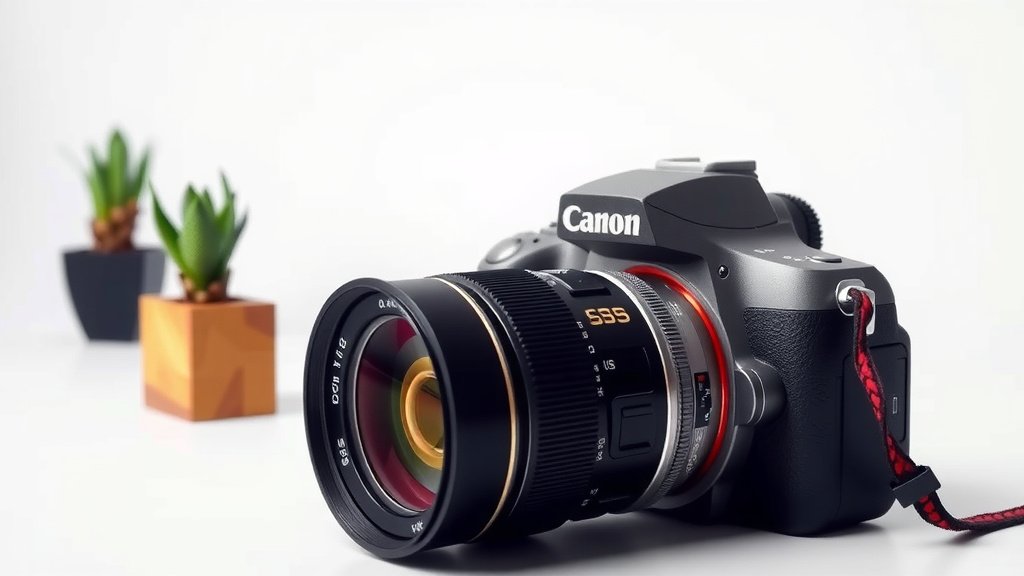
A 20 point white balance is a way to set your camera’s white balance to a specific color temperature. You might do this to get precise colors. This setting helps your camera understand what is pure white under your lighting. Getting this right means your colors will look true to life. It’s a more advanced technique for when auto white balance isn’t quite cutting it.
Many cameras offer auto white balance, which works well most of the time. But sometimes, you need more control for accurate color reproduction. A 20 point white balance adjustment gives you that fine-tuning ability. This can be really helpful for professional photographers or anyone serious about their image quality. It allows for custom white balance settings.
- A 20 point white balance is a precise camera setting.
- It sets white balance to a specific color temperature.
- This ensures your photos have true-to-life colors.
- It’s for situations where auto white balance isn’t enough.
- It offers advanced control for better image results.
Let’s break down what a 20 point white balance means for your photography. We’ll cover how to use it and why you might need it.
Understanding Precise White Balance Settings
You know how sometimes photos have a weird color cast? Like everything looks a bit too blue or too yellow? That’s often because of the white balance. A 20 point white balance is a way to tell your camera exactly what should look white in your scene. It’s like giving your camera a super-specific instruction manual for color.
Why Go Beyond Auto White Balance?
Your camera’s auto white balance (AWB) is pretty smart. It tries to guess the color temperature of your lighting. This works great in many situations. Think of a sunny day outdoors. AWB usually nails it. But what about tricky lighting? Things get tougher when you’re shooting under mixed lights. That’s when AWB can get confused.
The Challenges of Mixed Lighting
Imagine shooting a wedding reception. You have warm incandescent lights overhead. Then there’s the cool fluorescent light from a display. Your camera sees both. AWB might try to average them out. This can leave some parts of your photo looking too warm and others too cool. The result? Skin tones can look off. Colors might appear dull or unnatural. This is where manual control shines.
When Auto White Balance Falls Short
AWB relies on algorithms. These are designed for common lighting. They aren’t always perfect for every scenario. If you’re shooting in a studio with specific lighting setups, AWB might not understand your intention. You might also find it struggles with deeply colored light sources. For example, shooting under a deep red stage light. AWB will try to make it look white, losing the effect.
What Does “20 Point” Actually Mean?
When we talk about a “20 point white balance,” we’re referring to a specific type of custom white balance setting. It means your camera allows you to adjust the white balance in a highly granular way. Think of it like having 20 different slider adjustments for color. This gives you a lot of control. It’s a step up from simpler custom white balance modes. This is where manual control shines, unlike auto white balance settings.
The Fine-Tuning Process
This setting usually involves telling your camera what is neutral gray or pure white. You might do this by photographing a white or gray card under your specific lighting conditions. Then, you import that image into your camera and set it as your reference. The camera analyzes the color information from that reference. It then applies a correction to all future shots taken in that light. The “20 point” aspect suggests the camera uses a more detailed analysis across the color spectrum for this correction. This offers a higher degree of accuracy.
Comparing White Balance Options
Let’s look at how this compares to other white balance settings you might see on your camera:
| Setting Name | How it Works | When to Use |
|---|---|---|
| Auto White Balance (AWB) | Camera automatically guesses the light’s color temperature. | General shooting, good lighting, convenience. |
| Presets (Daylight, Cloudy, Tungsten, etc.) | You select a setting that matches your general lighting type. | Consistent lighting conditions where presets apply. |
| Custom White Balance (Simple) | Photograph a white or gray card. Camera uses it as a direct reference. | When you need more accuracy than presets, but lighting is uniform. |
| 20 Point White Balance | Advanced custom adjustment, likely using more data points for precision. | Critical color accuracy, challenging mixed lighting, studio work. |
When to Consider Using 20 Point White Balance
This advanced feature is for situations where color accuracy is paramount. If you’re a portrait photographer, getting skin tones just right is essential. A slightly off white balance can make someone look unhealthy. For product photography, true colors are vital for sales. Customers expect the product they see online to match what they receive. Even landscape photographers might use it to capture the subtle color shifts of dawn or dusk.
Specific Scenarios Where It Excels
- Studio Portraits: Ensuring consistent and flattering skin tones under controlled lighting.
- Product Photography: Accurately representing colors of items for e-commerce.
- Art Reproduction: Capturing the exact hues of a painting or artwork.
- Event Photography with Mixed Lights: Balancing various light sources for a cohesive look.
- Video Production: Maintaining consistent color across different takes and locations.
How to Achieve a 20 Point White Balance (General Steps)
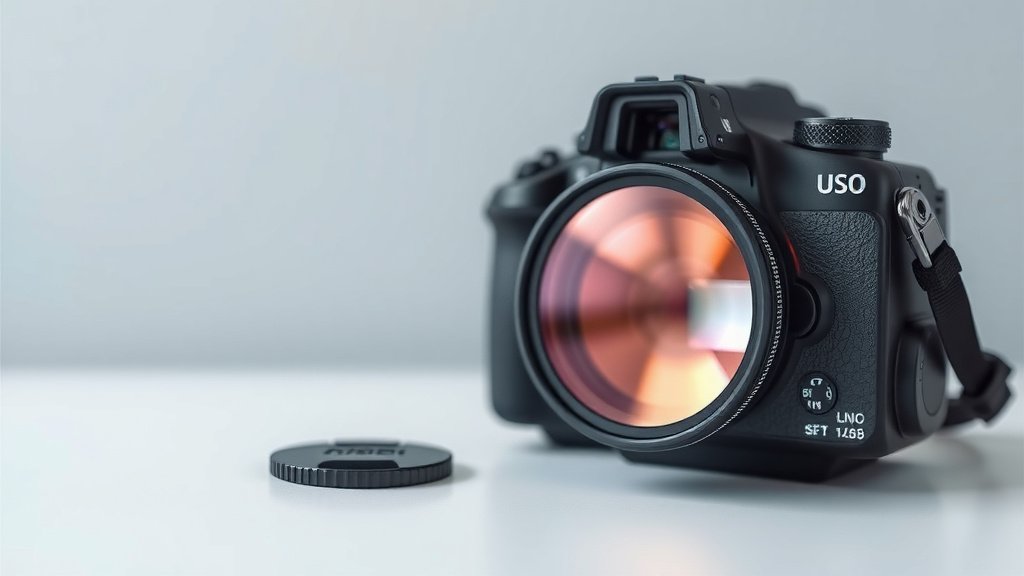
While the exact steps vary by camera model, the general idea is consistent. You’ll need a neutral target. This is typically a white balance card or a gray card. You can buy these online or at camera stores. They are designed to reflect light neutrally.
Step-by-Step Guidance
- Prepare Your Scene: Set up your lighting as you intend to shoot.
- Position Your Target: Place the white or gray card where your subject would be. Ensure it’s well-lit by the same light that will illuminate your subject.
- Take a Reference Shot: Photograph the card filling most of the frame.
- Access White Balance Settings: Navigate your camera’s menu to the custom white balance options.
- Select Your Reference: Choose the reference shot you just took.
- Apply the Setting: Your camera will analyze the reference and create a custom white balance profile. You then select this custom profile for your shooting.
Many experts say that using a dedicated white balance card gives the best results (NCBI). It’s a small investment for huge gains in color accuracy.
The Benefits of Precise Color Control
Having control over your white balance means fewer headaches in post-production. You’ll spend less time correcting color casts in software like Lightroom or Photoshop. Your images will look more professional straight out of the camera. This saves you time and effort. It also means you can deliver better results to your clients faster. This consistency builds trust.
Tips for Mastering Your White Balance
Here’s a quick checklist to help you master your white balance settings:
- Always shoot in RAW format. This gives you the most flexibility for white balance adjustments later.
- Carry a white or gray card with you.
- Understand your lighting. Know where your light is coming from.
- Do test shots frequently if lighting conditions change.
- Review your images on a calibrated monitor for the most accurate color assessment.
- Practice, practice, practice! The more you do it, the more intuitive it becomes.
Mastering white balance can significantly improve your photography. It’s a key step toward achieving the professional-looking images you desire. Don’t be afraid to experiment with your camera’s custom settings. You might be surprised at the difference it makes.
Conclusion
You’ve learned that a 20 point white balance offers exceptional control for achieving true-to-life colors in your photos. It moves beyond the guesswork of auto settings, giving you precision, especially when dealing with challenging or mixed lighting. By setting a custom reference, you ensure your camera understands what pure white should look like under your specific conditions. This advanced technique is your key to stunningly accurate colors straight out of the camera. Your next step is to try it: find a white balance card, set up your scene, and practice taking that reference shot on your next shoot. You’ll see the difference accurate color makes.
Frequently Asked Questions
What’s the difference between custom white balance and 20 point white balance?
Custom white balance usually involves a single reference shot of a gray or white card. A 20 point white balance is a more advanced custom setting. Research suggests it uses a more detailed analysis of color data from your reference. This offers a higher degree of fine-tuning and accuracy.
Do I really need a special white balance card?
While you can try using a plain white piece of paper, a dedicated white balance card is recommended. These cards are designed to reflect light neutrally across the spectrum. Using a proper card ensures your camera gets a clean, unbiased reference for perfect color correction.
Can I use the 20 point white balance setting for video?
Absolutely. Maintaining consistent color in video is often even more critical than in still photography. If you’re shooting video, using a 20 point white balance setting helps ensure your footage looks professional and color-accurate across different takes and lighting conditions.
What happens if I don’t set my white balance correctly?
If your white balance is off, your photos will have a color cast. This means whites won’t look white; they might appear too blue, yellow, or green. Correcting this in editing takes time and can sometimes lead to less natural-looking colors than getting it right in-camera.
Will a 20 point white balance setting work with any camera?
The term “20 point white balance” is often used to describe a camera’s most advanced custom white balance feature. Not all cameras have this specific terminology or level of detail. However, most modern DSLR and mirrorless cameras offer some form of custom white balance adjustment. Check your camera’s manual to see its capabilities.