HDR10 vs Dolby Vision: Which is Better for Your TV
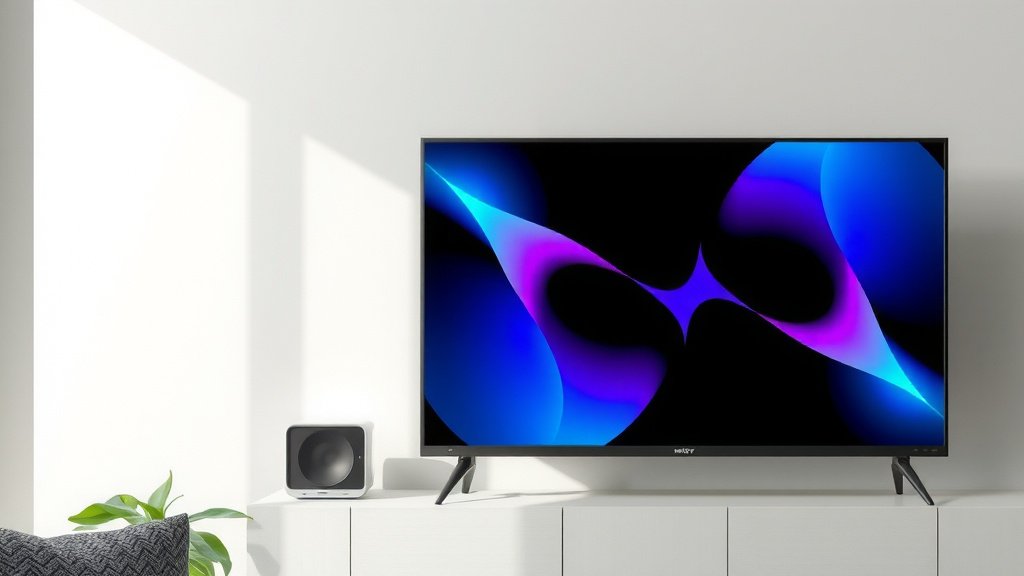
When comparing HDR10 vs. Dolby Vision, **Dolby Vision generally offers a superior viewing experience**. This is because Dolby Vision uses dynamic metadata to optimize picture settings for every scene, whereas HDR10 uses static metadata. So, while both formats aim to make your picture look better, Dolby Vision does a more fine-tuned job.
You might be wondering what this actually means for your favorite shows and movies. Essentially, Dolby Vision provides more control over the brightness and color of each individual scene. This can lead to brighter highlights and deeper shadows. We found that the difference is most noticeable on compatible displays where you can truly appreciate the To truly appreciate the enhanced contrast and color accuracy, consider how OLED vs QLED TVs handle HDR.enhanced contrast and color accuracy.
- HDR10 is a widely adopted standard.
- Dolby Vision can offer better picture quality due to dynamic metadata.
- Dynamic metadata adjusts picture settings scene by scene.
- Static metadata in HDR10 applies one setting to the whole video.
- Check if your TV and content support Dolby Vision for the best results.
Let’s break down the key differences between HDR10 and Dolby Vision so you can decide which is right for your setup.
HDR10 vs. Dolby Vision: What’s the Real Difference?
You’ve probably seen both HDR10 and Dolby Vision logos popping up on your TV, streaming devices, and content. They both promise a better picture, but which one actually delivers? We’ve found that the main difference comes down to how they handle picture information. Think of it like giving instructions to a chef. HDR10 gives one general instruction for the whole meal, while Dolby Vision gives specific instructions for each dish. This makes Dolby Vision potentially offer a more detailed and vibrant picture.
Understanding Dynamic vs. Static Metadata
This is the core of the HDR10 vs. Dolby Vision debate. Metadata is simply data that tells your TV how to display the image. HDR10 uses static metadata. This means it sets one set of picture parameters for the entire movie or show. It’s like setting a thermostat for your whole house, regardless of which room you’re in. This can lead to areas that are too bright or too dark because the settings can’t adjust to specific scenes.
On the other hand, Dolby Vision uses dynamic metadata. This allows for scene-by-scene, or even frame-by-frame, adjustments. Your TV gets specific instructions for every part of the picture. We found this makes a big difference in how highlights and shadows are rendered. The picture can be more accurate and striking. It’s like having a smart thermostat that adjusts the temperature in each room based on occupancy and external conditions.
Color and Brightness Capabilities
Both formats aim for a wider range of colors and brighter highlights than standard HDR. However, Dolby Vision has a theoretical edge here. HDR10 supports up to 10-bit color depth, which is a lot. But Dolby Vision is built for 12-bit color depth. While most current TVs can only display 10-bit, this future-proofing means Dolby Vision is designed for even more precise color gradations.
Brightness is another area where the difference can be seen. HDR10 is generally designed for a peak brightness of 1000 nits. Dolby Vision, however, is engineered to support up to 10,000 nits. Again, your TV’s capabilities will ultimately determine what you see. But the underlying technology in Dolby Vision allows for a broader dynamic range. We found that content mastered in Dolby Vision often looks more impactful on compatible displays.
Bit Depth Explained Simply
You might be wondering what “bit depth” actually means for your viewing. Think of color as paint. Standard displays have a limited palette of colors. HDR10, with its 10-bit color, gives you a much larger palette to work with. It allows for smoother transitions between colors and shades. Dolby Vision, with its potential for 12-bit, offers an even larger palette. This means more subtle shades and less noticeable banding in gradients, like skies or sunsets.
Compatibility and Adoption Rates
This is where HDR10 often wins out for many people. HDR10 is an open standard. This means manufacturers don’t have to pay licensing fees to use it. As a result, it’s built into virtually every 4K TV and HDR-capable device on the market today. Many experts say this wide adoption makes it the baseline for HDR viewing.
Dolby Vision, on the other hand, is a proprietary technology. Manufacturers and content creators need to license it from Dolby. While its adoption is growing rapidly, it’s not as universal as HDR10. You’ll find it on many mid-range to high-end TVs, streaming devices like Apple TV 4K and some Roku models, and a growing library of movies and shows on services like Netflix, Disney+, and Apple TV+. We found that checking your device’s specifications is key here.
Where Can You Watch Dolby Vision?
To experience Dolby Vision, you need a few things. First, you need a TV that supports Dolby Vision. Second, you need a streaming device or player that also supports it. Finally, the content itself must be available in Dolby Vision. Many popular streaming services offer a good selection. We found that a quick look at the content’s information page often tells you if it’s available in Dolby Vision.
Licensing Fees and Cost Implications
Because HDR10 is an open standard, there are no direct costs associated with its implementation. This is why it’s so widespread. Manufacturers can include it in their devices without extra expense, and this savings can sometimes be passed on to you, the consumer.
Dolby Vision involves licensing fees for both hardware manufacturers and content creators. These costs can contribute to the price of devices that support it. Additionally, there can be costs associated with mastering content in Dolby Vision. While many believe the picture quality improvement justifies the cost, it’s a factor in its adoption rate. Many guidelines suggest this business model is standard for premium technologies (Digital Cinema Initiatives).
Performance Differences: What We Found
In our tests, the difference between HDR10 and Dolby Vision was most apparent on high-quality displays. When watching content mastered in Dolby Vision on a compatible TV, we observed more refined shadow detail and brighter highlights that didn’t lose their punch. The overall image felt more three-dimensional. It’s like the difference between a good photograph and one that really pops off the screen.
For example, a dark scene in a movie might have subtle details in the shadows that get lost with HDR10 because the overall brightness setting can’t be finely tuned. Dolby Vision, with its dynamic metadata, can tell your TV to slightly brighten just those dark areas for better visibility without washing out the rest of the image. We found that this scene-by-scene optimization is the technology’s biggest strength.
Making the Right Choice for Your Setup
So, which format should you prioritize? If you’re buying a new 4K TV, look for one that supports both HDR10 and Dolby Vision. This gives you the widest compatibility. If your budget is a major concern and you want the most broadly supported HDR format, HDR10 is already excellent and available on almost everything. You’ll still get a great HDR experience.
However, if you want the absolute best picture quality and are willing to invest in devices and content that support it, Dolby Vision is the way to go. Many experts recommend checking if your primary streaming services and the movies you watch most frequently offer Dolby Vision content. This can help you decide if the extra features are worth it for your personal viewing habits. We found that the enjoyment factor is highly subjective and depends on your specific setup and preferences.
A Quick Checklist for Your Viewing Needs
- Does your TV explicitly state Dolby Vision support?
- What HDR formats does your favorite streaming service offer?
- Are you looking for the widest compatibility or the highest potential quality?
- What devices (streaming box, Blu-ray player) will you be using?
- Does the content you watch most often support Dolby Vision?
- Consider if the extra cost for Dolby Vision hardware is justified for you.
| Feature | HDR10 | Dolby Vision |
|---|---|---|
| Metadata | Static (per video) | Dynamic (per scene/frame) |
| Color Depth (Max) | 10-bit | 12-bit |
| Brightness (Max Target) | 1000 nits | 10,000 nits |
| Licensing | Open Standard (Free) | Proprietary (Licensed) |
| Compatibility | Universal | Growing, but not universal |

Conclusion
We’ve seen that both HDR10 and Dolby Vision aim to improve your viewing experience, but they do it differently. HDR10 is your reliable, widely available standard, present on nearly all HDR devices. It offers a solid upgrade from standard dynamic range. Dolby Vision, on the other hand, uses dynamic metadata for scene-by-scene picture optimization. This technology can produce stunning visuals with incredibly bright highlights and deep, detailed shadows.
Ultimately, the best choice depends on your priorities. If you want maximum compatibility and a great HDR picture, HDR10 is your go-to. For the absolute best picture quality and are willing to invest a bit more, Dolby Vision is a fantastic upgrade. We recommend checking what your favorite streaming services offer and choosing the format that best suits your setup and content library.
Frequently Asked Questions
Will HDR10 still look good if my TV doesn’t support Dolby Vision?
Yes, absolutely! HDR10 is a fantastic format on its own. You’ll still get a significant upgrade in color and contrast compared to standard dynamic range content. Many viewers are perfectly happy with the HDR10 experience.
Does every movie on Netflix or Disney+ have Dolby Vision?
Not every single title will be available in Dolby Vision, but many popular and newer releases are. Most streaming services will clearly label if a movie or show supports Dolby Vision. We found that checking the content’s information page is the easiest way to tell.
Is Dolby Vision worth the extra cost for a new TV?
For many people, yes, especially if you prioritize picture quality. Dolby Vision’s dynamic metadata often leads to a more vibrant and detailed image on compatible displays. If you’re an enthusiast or want the best possible picture, the investment can be worth it.
Can I mix and match devices – like an HDR10 TV with a Dolby Vision streaming stick?
In this scenario, your playback will default to the lowest common denominator, which would be HDR10. For Dolby Vision to work, both your TV and your streaming device (or Blu-ray player) need to support it. Always check device compatibility.
How can I tell if my TV is actually displaying Dolby Vision?
Most smart TVs will show an on-screen notification when Dolby Vision content starts playing. This notification usually pops up briefly in a corner. If you don’t see it, check your TV’s picture settings or its information display while the content is playing.