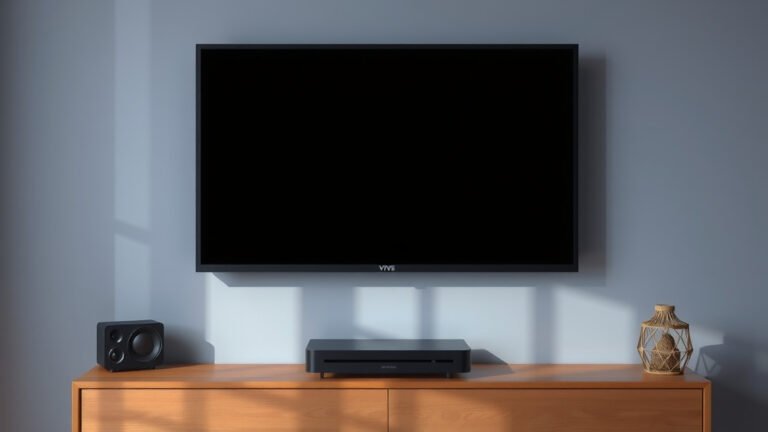
What is Bezel-Free TV Design? Your Guide
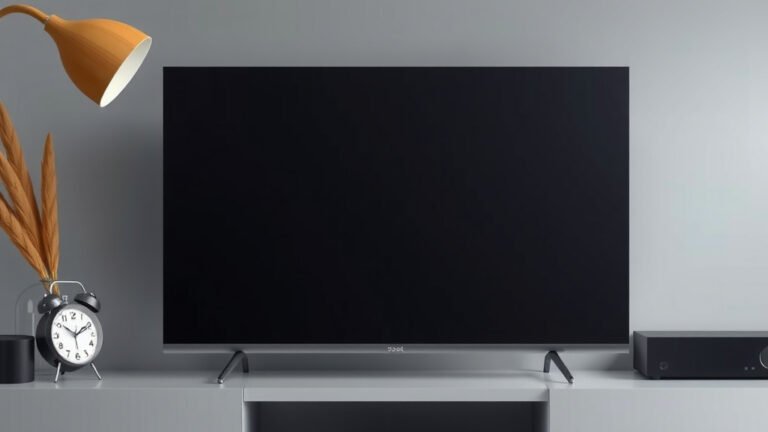
A bezel-free TV design is a television with virtually no visible frame around the screen. It creates an immersive viewing experience by making the picture appear to float. This modern look maximizes your screen size within a smaller footprint, giving you more screen and less plastic.
Think of it as all screen, all the time. This design eliminates the bulky borders you might be used to seeing on older TVs. It’s a popular choice for those seeking a sleek, minimalist aesthetic. Many manufacturers are adopting this style for their latest models to enhance the viewing experience.
- Bezel-free means no visible frame around your TV screen.
- It offers a more immersive viewing experience.
- You get a larger screen in a smaller physical size.
- This design gives your room a modern, clean look.
- It makes your TV look like a piece of art.
Ready to ditch those bulky borders? Let’s walk through what a bezel-free TV design means for your home entertainment setup.
Understanding the Appeal of Bezel-Free TV Displays
So, what exactly makes a TV bezel-free? It’s quite simple, really. A bezel-free TV is one that has virtually no visible frame surrounding the actual picture. Imagine looking at a television where the image goes all the way to the edge. That’s the core idea behind this modern design. Manufacturers aim to remove as much of the plastic border as possible. This gives you a much larger viewing area on a TV that might actually be thinner or take up less wall space.
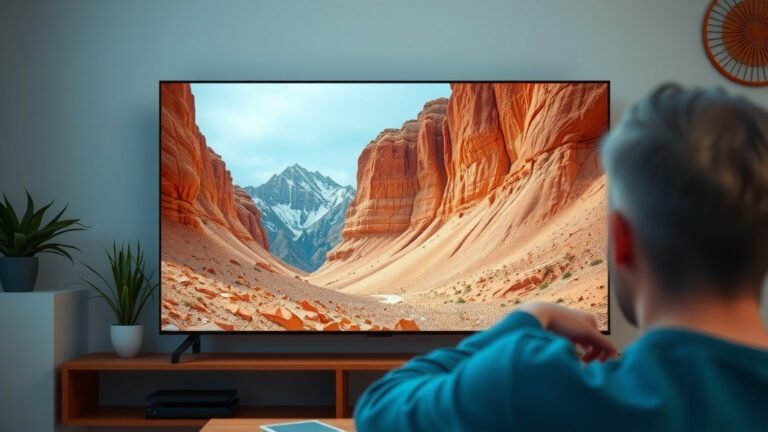
Think of it like looking through a window. You see only the scene outside, not the frame around the glass. Bezel-free TVs strive for that same effect. Your focus stays entirely on the movie, show, or game you’re watching. It’s a design choice that’s really taken off in recent years. It makes your screen feel bigger than its physical dimensions might suggest. Many experts agree this design creates a more immersive and engaging viewing experience.
The Evolution of TV Frames: From Bulky to Barely There
To truly appreciate bezel-free, let’s think back a bit. Older televisions, especially tube TVs, had very thick frames. These weren’t just for looks; they served functional purposes. They housed speakers and protected the delicate screen. As TVs became flatter with LCD and LED technology, those frames shrunk considerably. Yet, they remained a distinct feature.
Manufacturers then started pushing the boundaries. They wanted to minimize these frames even further. This led to what’s sometimes called “thin-bezel” designs. You might have seen TVs with borders just a centimeter or so wide. The next logical step was to try and eliminate them almost entirely. This is where the truly bezel-free concept comes in. It’s a testament to how far display technology has advanced.
How Manufacturers Achieve a Bezel-Free Look
Achieving this borderless look involves clever engineering. One common approach is what’s called a “frameless” design. This often means the glass extends to the very edge of the TV. The internal components are hidden behind the panel. Sometimes, a very thin, almost invisible strip of plastic or metal is used as a structural support. But from a typical viewing distance, you won’t see it.
Another technique involves clever placement of electronics. Components that used to be housed in the bottom bezel might be integrated into the stand or the rear chassis. This allows the front of the TV to be as clean and open as possible. We found that for many models, what appears to be a bezel is actually a very dark, non-displaying border built into the panel itself. This ensures durability without a prominent frame. It’s a sophisticated balancing act.
Key Advantages of a Bezel-Free TV Experience
Why choose a TV that looks like it’s all screen? There are several compelling reasons. The most obvious is the enhanced immersion. When there’s no distracting border, your eyes are drawn directly into the picture. This can make movies feel more cinematic and sports more thrilling. It truly pulls you into the content.
You also get more screen for your money, or rather, more screen for your space. A bezel-free TV can offer a larger diagonal screen size within the same overall physical footprint as a TV with thicker bezels. This is fantastic for smaller rooms where you want the biggest picture possible. We found that this can make a room feel more spacious, too. It’s a win-win for both entertainment and aesthetics.
Aesthetically Pleasing for Modern Homes
Beyond the viewing experience, bezel-free TVs offer a significant aesthetic upgrade. They contribute to a clean, minimalist look in your living space. Unlike older TVs that often looked like a piece of electronics, these modern designs blend more gracefully into your decor. They can look more like a piece of art on your wall.
When the TV is off, it can almost disappear. When it’s on, it becomes a vibrant portal. Many interior designers suggest that this type of TV complements modern and contemporary interior styles perfectly. It avoids the visual clutter that thicker frames can sometimes create. It’s a sophisticated choice for those who appreciate sleek design. The lack of a frame helps the picture feel more natural, too.
Potential Considerations for Bezel-Free Televisions
While the bezel-free design is fantastic, it’s wise to consider a few things. Durability is one aspect. Since the screen glass often extends to the edges, it can be more susceptible to damage if not handled carefully. You’ll want to be extra cautious during setup and when cleaning. Experts generally recommend mounting these TVs securely and handling them with care, especially when moving them.
Another point to consider is the potential for light bleed or uniformity issues. In some less expensive models, you might occasionally notice slight inconsistencies in brightness along the very edges of the screen. This is something that affects all TVs to some degree, but with no bezel to hide it, any minor imperfection is more noticeable. However, many high-end models have excellent uniformity. Researching specific models is key here.
Durability and Handling: What You Need to Know
When we look at durability, the lack of a protective frame means you need to be more mindful. Scratches or cracks on the edge of the screen are a real possibility if you’re not careful. Think about it: if you bump into the side of the TV with a vacuum cleaner or a piece of furniture, that impact is directly on the screen. This isn’t to scare you, but to make you aware.
We found that most manufacturers are aware of this. They use reinforced glass to offer some protection. Still, a gentle touch is recommended. Installation should be done with care. If you’re wall-mounting, ensure it’s done correctly and securely. If you have young children or pets that might bump into the TV, you might want to consider a soundbar or a different placement strategy to add a buffer.
Screen Uniformity and Edge Performance
Screen uniformity refers to how consistent the picture looks across the entire display. This includes brightness and color. In some cases, very thin or bezel-free designs can present minor challenges for manufacturers. It’s harder to hide any slight variations in how the light is produced at the very edges. You might notice this more on a solid, bright color background.
However, it’s important to note that this is becoming less of an issue. Advances in panel technology mean that most modern bezel-free TVs offer excellent uniformity. Many reputable review sites and consumer reports often highlight screen uniformity as a key performance metric. We found that typically, premium models excel in this area. If screen uniformity is a major concern for you, always check professional reviews of the specific TV model you’re considering.
Making the Choice: Is Bezel-Free Right for Your Home?
Deciding if a bezel-free TV is the right fit for you comes down to your priorities. If you crave the most immersive viewing experience possible and love a clean, modern aesthetic, then it’s likely an excellent choice. The feeling of the picture extending to the edges of your display is truly captivating. It makes your entertainment feel more present and engaging.
You’ll also appreciate the space-saving aspect. Getting a larger screen size without a larger overall TV is a big advantage for many homes. It contributes to a clutter-free environment. If you’re someone who values design and wants your technology to blend in beautifully, this style fits the bill. It’s a way to make your TV a centerpiece, not just a black box.
A Checklist for Your Bezel-Free Decision
Before you make your final decision, consider these points:
- Do you prioritize an immersive, edge-to-edge picture?
- Is a sleek, modern aesthetic important for your room’s decor?
- Are you prepared to handle the TV with extra care during setup and cleaning?
- Have you checked reviews for screen uniformity and picture quality on specific models?
- Does the size and potential cost fit within your budget and space constraints?
- Will this TV enhance your primary use, whether it’s movies, gaming, or sports?
Conclusion
You’ve learned that a bezel-free TV design offers a truly immersive viewing experience by removing bulky frames. This modern aesthetic enhances your room and maximizes screen real estate within a smaller footprint. While they demand a bit more careful handling, the visual payoff is often worth it. Think of it as bringing the cinematic feel directly into your living space. To make the best choice, weigh these benefits against your priorities and consider a specific model’s reviews. Your next step is to explore models that match your needs and budget to bring this sleek look home.
Frequently Asked Questions
Are bezel-free TVs more expensive than TVs with bezels?
Generally, bezel-free TVs can be priced higher than models with traditional bezels, especially at the premium end. This is due to the advanced engineering and manufacturing processes required. However, you can often find mid-range and budget-friendly bezel-free options as the technology becomes more mainstream. Pricing varies greatly by brand and features.
Can I clean a bezel-free TV the same way as a regular TV?
Yes, you can clean them similarly, but with extra caution around the edges. Use a soft, dry microfiber cloth to wipe down the screen. For stubborn smudges, slightly dampen the cloth with water or a screen-specific cleaner. Always turn off and unplug the TV first. Avoid pressing too hard on the screen’s edges, as they lack a protective bezel.
Will a bezel-free TV look good in an older, non-modern room?
Absolutely! While they complement modern decor, a bezel-free TV can actually modernize a more traditional space. The lack of a frame makes the picture feel more like a piece of art. It can help your entertainment setup blend in more subtly, making the room feel cleaner and more inviting. It doesn’t require your entire room to be redecorated.
What happens if I accidentally scratch the edge of a bezel-free TV?
A scratch on the edge of a bezel-free TV screen is more noticeable than on a TV with a thick bezel. Since the glass extends to the very edge, it can be more vulnerable. If a scratch occurs, it will likely be visible, especially when the screen is off or displaying a dark image. This is why careful handling during setup and everyday use is recommended.
Do bezel-free TVs have better sound since there’s no frame for speakers?
Not necessarily. The absence of a frame doesn’t automatically mean better sound. In fact, some bezel-free designs may place speakers in the stand or the back of the TV, or rely on external soundbars. You’ll need to check the specific model’s audio specifications. Many people pair bezel-free TVs with soundbars for an enhanced audio experience anyway.