How TV Antennas Receive Signals: A Simple Guide
Yes, your antenna works with your TV by capturing invisible radio waves broadcast from local TV stations. It acts like a net for these waves, catching them and sending them to your TV as signals. Your TV then decodes these signals into the channels you see on screen. It’s a surprisingly simple but clever process.
Think of it like a radio, but for video. Over-the-air TV signals are sent out for anyone with an antenna to pick up. Antennas are designed to be good at receiving these specific frequencies. The better your antenna, the more signals it can grab, leading to more channels and a clearer picture.
- Antennas catch invisible radio waves from TV stations.
- These waves carry TV channel information.
- Your TV translates these waves into pictures and sound.
- Antenna design affects signal strength and channel availability.
Ready to understand the magic behind those free channels? Let’s break down exactly how your antenna and TV team up to bring you the shows you love.
“`htmlUnderstanding How Your TV Antenna Captures Signals
So, you’ve got your antenna hooked up, and you’re wondering how it magically pulls those channels out of thin air. It’s really quite fascinating! An antenna is essentially a specialized receiver. Its job is to catch specific radio waves that carry the TV signals. Think of it like a highly tuned ear for a particular sound. These radio waves are broadcast from local TV stations and travel in all directions.
These waves are part of the electromagnetic spectrum. TV stations use certain frequencies to send their video and audio information. Your antenna is designed to be sensitive to these frequencies. When these waves hit your antenna, they create tiny electrical currents. It’s like a gentle nudge causing a reaction. This is the very first step in getting your favorite shows.
The Science Behind the Signal Catch
The design of an antenna plays a huge role. Different antenna shapes and sizes are better at picking up different frequencies. Some are great for high-definition channels, while others are designed for a broader range. This is why you might see so many different types of antennas. They’re all trying to do the same job, but some are simply more efficient at it.
For example, a simple rabbit-ear antenna might work well for close-by stations. But a larger, more complex outdoor antenna might be needed if you’re further away or have obstacles. It’s all about how effectively the antenna elements can interact with the incoming radio waves. The goal is to convert those invisible waves into a usable electrical signal.
Frequency Matters
TV broadcasting uses specific frequency bands. These are known as VHF (Very High Frequency) and UHF (Ultra High Frequency). Most modern TV signals are broadcast on UHF. Your antenna needs to be built to capture these specific bands. Many antennas are designed to pick up both VHF and UHF for maximum channel reception. This ensures you don’t miss out on channels just because of their frequency.
From Waves to Wires: The Signal Transmission
Once the radio waves are captured by your antenna, they create those tiny electrical currents we talked about. This electrical signal then travels from the antenna down through a coaxial cable. This cable is like a highway for the signal, protecting it from interference along the way. The quality of the cable can actually make a difference!
Think of the coaxial cable as a protected path. It keeps the weak electrical signal from being degraded by outside electronic noise. This is why using a good quality cable and keeping it as short as possible is often recommended for the best reception. A damaged or poor-quality cable can act like a leaky pipe, losing signal strength.
The Role of the Coaxial Cable
The coaxial cable has a central conductor surrounded by an insulator, which is then wrapped in a braided metal shield. This shielding is important. It prevents electromagnetic interference from outside sources from messing with your TV signal. Without it, your picture might get fuzzy or break up. It’s a crucial part of getting a clean signal to your TV.
Your TV: The Signal Decoder
When the electrical signal reaches your TV through the coaxial cable, it’s still just a collection of electronic data. Your TV’s built-in tuner is where the real magic happens. This tuner is specifically designed to process these incoming signals. It then separates the different channels and decodes the video and audio information.
This process is similar to how a radio tuner picks out your favorite station. The TV tuner locks onto the signal and extracts the content. It’s a sophisticated piece of technology inside your television. Without a functional tuner, your antenna would be sending signals to a device that couldn’t understand them. Many experts say that a good tuner can also help clean up a weaker signal (Consumer Reports).
Tuner Sensitivity and Channel Scanning
The sensitivity of your TV’s tuner matters. A more sensitive tuner can lock onto weaker signals, potentially giving you more channels. When you scan for channels, your TV is essentially telling its tuner to search the available frequencies for broadcast signals. It then lists all the channels it successfully receives. This is why rescanning is often recommended after moving your antenna.
Antenna Placement and Signal Strength
Where you put your antenna is incredibly important. Obstacles like buildings, trees, and even the weather can block or weaken the radio waves. Generally, the higher and more unobstructed your antenna is, the better your reception will be. Think of it as giving the waves a clearer path to your antenna.
Placing your antenna near a window, especially one facing the direction of the TV transmitters, can often improve your signal. If you’re using an indoor antenna, experimenting with different locations and orientations is key. Some people find that pointing their antenna slightly differently can pick up new channels. It’s a bit of trial and error, but well worth it!
Interference and Signal Degradation
Electronic devices in your home can sometimes interfere with TV signals. Microwaves, cordless phones, and even Wi-Fi routers can emit radio waves that clash with your TV signal. Keeping your antenna and its cable away from these devices can help maintain a clear picture. We found that even a few feet can make a difference in reducing interference.
What Makes a “Good” Antenna?
A “good” antenna is one that is effective at receiving the signals available in your specific location. This depends on several factors:
- Reception Range: How far can it pick up signals from?
- Frequency Support: Does it cover VHF and UHF bands?
- Directionality: Is it omnidirectional (picks up from all directions) or directional (needs to be pointed)?
- Gain: How well does it amplify weak signals?
We found that antennas with higher gain are often better for areas with weaker signals. However, a highly directional antenna might be perfect if you know exactly where the transmitters are. It’s about matching the antenna to your environment and needs.
A Quick Checklist for Better Reception
Want to ensure your antenna is doing its best work? Run through this quick checklist:
- Check antenna placement: Is it as high and unobstructed as possible?
- Inspect the coaxial cable: Ensure it’s in good condition and connections are secure.
- Rescan your TV channels: Do this after any antenna adjustments.
- Minimize indoor interference: Keep the antenna away from other electronics.
- Test different orientations: Try turning the antenna slightly.
- Consider a signal amplifier (if needed): For very weak signals, this might help.
Conclusion
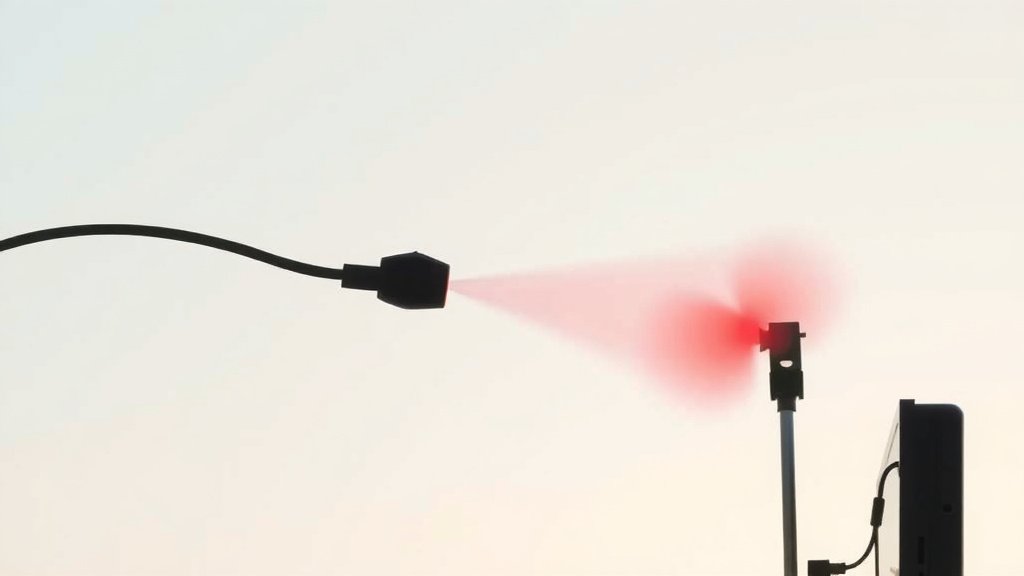
You’ve learned how your TV antenna acts as a sophisticated receiver. It expertly catches invisible radio waves broadcast by local stations. These waves contain all the channel information your TV needs. Your antenna converts them into electrical signals. These signals travel through a coaxial cable to your TV’s tuner. The tuner then decodes them into the pictures and sound you enjoy. It’s a clever system that brings you free entertainment. To get the best results, ensure your antenna is well-placed and your TV’s tuner is set up correctly. Your next step should be to re-scan your TV channels to find all available broadcasts!
Frequently Asked Questions
Do I need a special TV for an antenna?
No, you don’t need a special TV. Most modern televisions come with a built-in digital tuner. This tuner is designed to receive over-the-air (OTA) broadcasts from antennas. You just need to make sure your TV has an “Antenna In” or “RF In” port to connect your antenna.
Can I use a TV antenna indoors?
Yes, you can definitely use a TV antenna indoors! Many indoor antennas are designed for this purpose and work well, especially if you live close to broadcast towers. We found that placement is key for indoor antennas; experimenting with different window locations can greatly improve reception.
Why do I only get some channels with my antenna?
The number of channels you receive depends on several factors. These include the strength and direction of broadcast towers in your area, the type and quality of your antenna, and any obstructions between your antenna and the towers. Moving your antenna or trying a different type might help you get more channels.
What does “signal interference” mean for my antenna?
Signal interference happens when other electronic devices emit radio waves that disrupt your TV signal. Common sources include Wi-Fi routers, microwaves, and cordless phones. Keeping your antenna and its cable away from these devices can help prevent signal interference and ensure a clearer picture.
How do I know if I need a signal amplifier for my antenna?
You might need a signal amplifier if you’re experiencing weak or inconsistent reception, especially if you live far from broadcast towers or have many obstructions. An amplifier boosts the signal strength coming from your antenna before it reaches your TV. We recommend trying other steps like repositioning your antenna first.