Understanding Full Array Local Dimming: A 2026 Guide
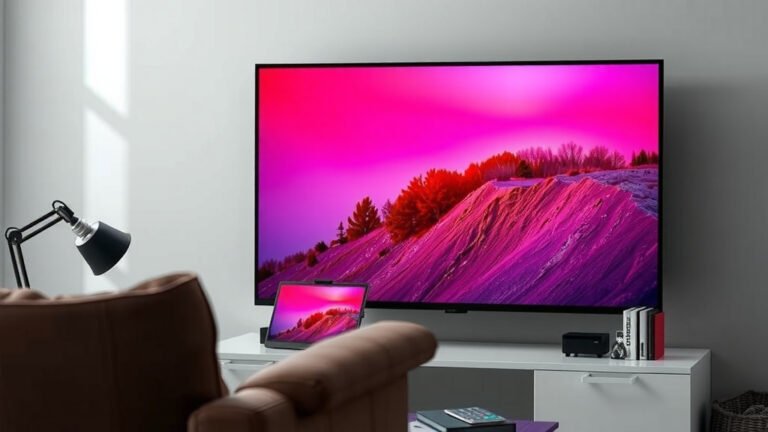
Full array local dimming is a display technology that improves contrast and picture quality by dimming specific zones of the backlight independently. This allows for much deeper blacks and brighter whites on your screen, creating a more lifelike image. You’ll notice a dramatic difference in movies and games with scenes that have both very dark and very bright elements.
Think of it like having a dimmer switch for tiny sections of your TV’s backlight. Instead of one big light, it’s many small lights that can be adjusted. This technology is key to achieving superior contrast ratios and making on-screen colors pop. Many high-end TVs use this method to deliver stunning visuals for your viewing pleasure.
- Full array local dimming improves TV contrast.
- It uses a grid of LEDs to dim specific zones.
- This creates deeper blacks and brighter whites.
- You’ll see a more realistic and vibrant picture.
- It’s a key feature for high-quality image reproduction.
So, if you’ve ever wondered what makes some TVs look so much better than others, you’re in the right place. Let’s break down exactly how full array local dimming works its magic.
Understanding Full Array Local Dimming Technology
So, how exactly does full array local dimming (FALD) work its magic? It’s a really smart way to control the backlight of your TV. Instead of just having one big light source, FALD uses many small LED lights arranged in a grid behind the LCD panel. These LEDs can be turned up, down, or even completely off. This allows your TV to precisely control the brightness of different zones on the screen.
The Core Concept: Zoned Backlighting
Think of it like having a grid of tiny spotlights behind your picture. Each spotlight can be adjusted. When a dark scene comes on, those specific spotlights can dim way down. This makes the black areas look much deeper and more natural. When a bright scene appears, those spotlights can shine their brightest. This gives you dazzling whites and vibrant colors.
Dimming Zones and Contrast
The number of these dimming zones is important. More zones mean more control. A TV with 100 zones can dim smaller areas independently than a TV with only 10 zones. This translates directly to better contrast and less of a “halo” effect around bright objects on dark backgrounds. Many newer TVs boast hundreds or even thousands of these zones for incredible detail.
How FALD Differs from Other Technologies
It’s helpful to see how FALD stacks up against other display backlight technologies you might encounter. Understanding these differences can help you appreciate why FALD is often considered a premium feature.
Edge-Lit vs. Full Array
Many less expensive TVs use edge-lit backlighting. This means the LEDs are placed only around the edges of the screen. The light is then diffused across the panel. While this allows for very thin TVs, it sacrifices contrast and uniformity. Dark scenes can appear grayish, and bright spots might not be as intense. Full array, with its LEDs directly behind the panel, offers far superior control.
Local Dimming vs. Global Dimming
Global dimming adjusts the entire backlight at once. If one part of the screen needs to be bright, the whole screen brightens. If another needs to be dark, the whole screen dims. This limits the ability to show both deep blacks and bright highlights simultaneously. Local dimming, like FALD, targets specific areas, making a huge difference in picture realism.
| Display Type | Backlight Source | Control Level | Pros | Cons |
|---|---|---|---|---|
| Edge-Lit LED | LEDs around the screen edge | Low (entire screen or large sections) | Thinner TV designs, lower cost | Poor contrast, uneven brightness, grayish blacks |
| Direct-Lit LED (No Local Dimming) | LEDs behind the entire screen | Medium (entire screen only) | More uniform brightness than edge-lit | Limited contrast, blacks are not very deep |
| Full Array Local Dimming (FALD) | Grid of LEDs behind the screen | High (many independent zones) | Excellent contrast, deep blacks, bright highlights, better detail | Can be more expensive, potential for blooming (halos) in some implementations |
Benefits You’ll Actually See
What does all this technical talk mean for your viewing experience? It means a more immersive and lifelike picture. You’ll notice the difference in everyday content, but it truly shines with movies and games.
Deeper Blacks and Brighter Whites
This is the most apparent benefit. FALD allows for incredibly deep blacks, making dark scenes in movies feel more atmospheric and detailed. At the same time, bright objects like explosions or sunlight can really pop without washing out the surrounding image. This high contrast ratio makes the picture look much more dynamic.
Improved Color and Detail
When blacks are truly black, colors can appear more vibrant and saturated. FALD also helps reveal subtle details in both dark and bright areas of an image that might otherwise be lost. You’ll see textures and nuances that simply aren’t visible on TVs with less advanced backlighting.
Reduced Blooming and Haloing
While some FALD TVs can exhibit a slight “blooming” effect (a glow around bright objects on a dark background), modern implementations have greatly reduced this. The more dimming zones a TV has, the less noticeable blooming tends to be. It’s a trade-off for superior contrast that most viewers find well worth it.
Making the Most of Your FALD TV
To ensure you’re getting the best possible picture from your FALD TV, consider these simple tips:
- Adjust the local dimming setting to your preference.
- Enable it for movie watching and gaming.
- Consider the environment for your viewing.
- Keep your TV’s software updated.
- Calibrate picture settings if you’re a serious enthusiast.
By understanding what full array local dimming is and how it works, you can better appreciate the stunning visuals your TV is capable of producing. It’s a technology designed to bring the cinematic experience right into your living room.
Conclusion
You’ve learned that full array local dimming (FALD) is your ticket to a truly stunning TV picture. It’s the technology that makes deep blacks and brilliant whites exist side-by-side. This creates amazing contrast, making movies and games look incredibly realistic. Unlike older technologies, FALD offers precise control over brightness. To enjoy this, make sure to adjust your FALD settings for the best viewing experience. Now you’re equipped to appreciate and get the most out of your FALD TV!
Frequently Asked Questions
Is full array local dimming worth the extra cost?
For many viewers, yes. If you prioritize deep blacks, vibrant colors, and a cinematic experience, FALD TVs deliver. You’ll see a noticeable difference in picture quality, especially in darker scenes or content with high contrast. For casual viewing, other technologies might suffice, but for enthusiasts, FALD is a significant upgrade.
Can I turn off local dimming on my FALD TV?
Most FALD TVs allow you to adjust or disable the local dimming feature. You can typically find this setting in your TV’s picture or advanced settings menu. This lets you experiment with different levels to see what looks best for various types of content or to avoid any potential blooming artifacts.
How many dimming zones are “good” for a FALD TV?
More dimming zones generally mean better performance. While even a few dozen zones offer improvement, TVs with hundreds or even thousands of zones provide superior control. Higher zone counts lead to deeper blacks and less noticeable halos around bright objects. Aim for as many zones as your budget allows for the best results.
Does local dimming use more power than other backlights?
It can use more power than very basic edge-lit TVs, especially during bright scenes. However, when displaying dark content, the LEDs in those zones dim, which can actually save energy compared to a perpetually bright backlight. The overall power consumption is usually within a reasonable range for modern displays.
Will FALD help my TV look better for sports?
Yes, FALD can enhance sports viewing. The improved contrast means bright green fields and white jerseys will stand out more vividly. It also helps reveal details in both sunny skies and shadowy stadium areas, providing a clearer and more dynamic picture throughout the entire game.