How to Choose the Right TV Size for a Small Room in 2026
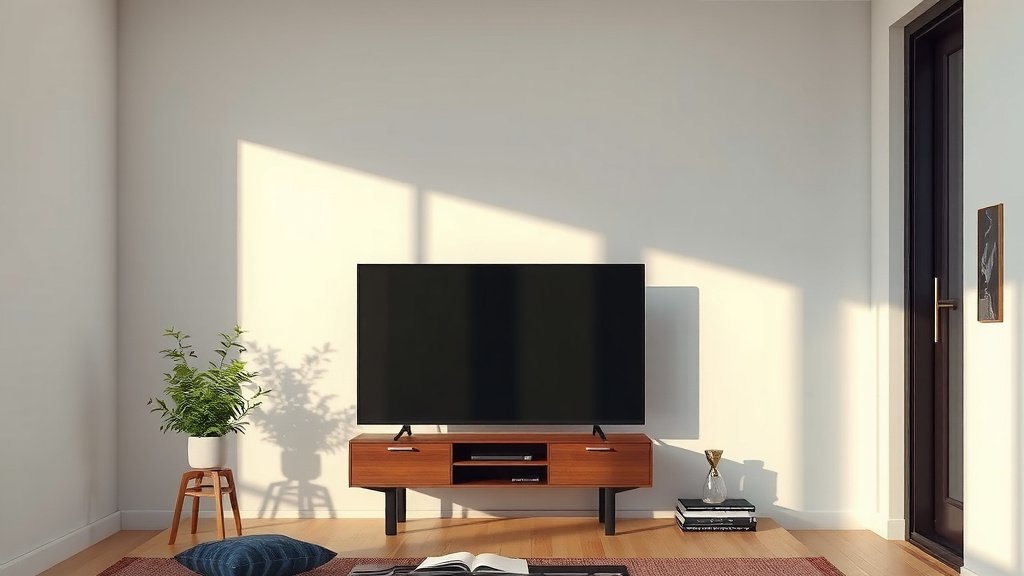
Choosing a TV for a small room comes down to one thing: screen size matched to viewing distance. For most small rooms, a 43 to 55-inch TV hits the sweet spot, depending on how far you sit from the screen. Get this right, and you avoid eye strain and wasted money.
But size isn’t the whole story. You’ll also want to think about resolution, mounting options, and how bright the room gets during the day. We researched what actually works in tight spaces, and we found that a few simple choices make all the difference. Who knew a TV could be so picky about where it lives?
- Pick a 43 to 55-inch screen for most small rooms.
- Measure your seating distance before you buy anything.
- Go with 4K resolution, even for smaller screens.
- Consider wall mounting to save floor space.
- Match the TV’s brightness to your room’s lighting.
Below, we break down everything you need to know about picking the perfect TV for a small space, step by step. Let’s find your perfect fit.
Picking the Right TV Size for Your Small Space
The fastest way to pick the right TV is to match screen size to how far you’ll sit from it. Sit about 5 to 7 feet away? A 43 to 50-inch TV works well. Sitting closer than 5 feet, like in a cozy den or bedroom? Stick with 43 inches or smaller.
We found that most people guess their screen size by eyeballing the wall. That’s a mistake. Grab a tape measure and check the distance from your couch to where the TV will sit. Two minutes of measuring beats a $600 mistake.
Viewing Distance and Screen Size: The Simple Math
Here’s a handy chart. Find your seating distance and read across. Our full TV viewing distance chart breaks down every distance and screen size combination.
| Seating Distance | Recommended Size | Best Room Type |
|---|---|---|
| 4 to 5 feet | 32 to 43 inches | Bedroom, office |
| 5 to 7 feet | 43 to 50 inches | Small living room |
| 7 to 9 feet | 50 to 55 inches | Apartment living room |
Why does distance matter so much? Because screens that are too big cause eye strain and headaches when you sit close. Screens that are too small make you squint and lean forward like you’re watching through a mail slot. Neither feels great after a two-hour movie night.
Why 4K Still Makes Sense on a Smaller Screen
Some people think 4K is overkill on a 43-inch TV. We disagree, and so do most experts. On smaller screens viewed up close, 4K resolution keeps text and details sharp. It also future-proofs your purchase, since almost all new shows and movies stream in 4K.
The good news? 4K TVs cost almost the same as older HD models now. You’re not paying extra for the upgrade anymore.
Mounting vs. Stands: Saving Space the Smart Way
If floor space is tight, wall mounting is your best friend. A mounted TV frees up an entire media console’s worth of room. We found that many small-room dwellers regret not mounting sooner.
- Wall mount: Saves floor space and lets you set the ideal height.
- Swivel mount: Great for rooms where you watch from different angles.
- Stand with a narrow base: A good backup if drilling isn’t an option.
- Corner mount: Often overlooked, and perfect for awkward room layouts.
Mounting Height: Where Most People Get It Wrong
Mount your TV too high and you’ll craning your neck by episode two. The general rule: the center of the screen should sit at eye level when you’re seated. That’s usually around 42 inches from the floor.
Many ergonomics experts warn that screens set too high contribute to neck and shoulder discomfort over time (NIH). It sounds minor until your neck starts staging a protest.
Don’t Forget Cable Management
Nothing ruins a clean small-room setup like a spaghetti pile of cords. Plan for this before you mount. A simple cord cover or an in-wall kit keeps things tidy and safe.
Matching Your TV to Your Room’s Lighting
Brightness matters more in small rooms than you’d think. If your room gets lots of afternoon sun, pick a TV with high peak brightness so glare doesn’t wash out the picture. Dim rooms? Standard brightness is fine, and you can save money.
Rooms with windows opposite the screen are the worst offenders for glare. If that’s your setup, consider blackout curtains or repositioning the TV.
Panel Types in Plain English
You’ll run into three main panel types. Here’s the short version:
- LED: Affordable, bright, and widely available. Great for sunny rooms.
- OLED: Stunning contrast and perfect for dark rooms. Costs more.
- QLED: A bright middle ground with punchy colors for mixed lighting.
Your Small-Room TV Checklist
Before you hit checkout, run through this list. We keep it on the fridge during TV-shopping season. (Okay, we don’t. But we should.)
- Measure your seating distance and match it to screen size.
- Confirm the TV has at least three HDMI ports.
- Check that 4K is included, not an upsell.
- Decide between wall mount and stand before buying.
- Review your room’s daytime lighting and glare sources.
- Compare panel type against your room’s brightness.
Sound Considerations in Tight Quarters
Big TVs in small rooms often come with a hidden catch: audio. Flat-screen speakers fire downward or backward, and in a small room, that can sound muddy. A compact soundbar solves this without eating floor space.
We found that even a modest soundbar outperforms built-in TV speakers by a wide margin. Many audio reviewers consider it the single best add-on for small rooms (CNET and similar outlets echo this often).
Where to Put a Soundbar in a Small Room
Place it on the console below the TV or mount it right under the screen. Just avoid tucking it inside a cabinet. Muffled dialogue is nobody’s friend.
Setting a Budget That Makes Sense
Here’s the happy surprise: small-room TVs are the cheapest category in the TV market. Quality 43-inch 4K models regularly sell for reasonable prices, especially during major sale events.
Our advice? Spend less on the screen and put the savings toward a good mount and soundbar. That combo improves your experience more than jumping up one screen size ever will.
Conclusion
Finding the right TV for a small room doesn’t have to feel overwhelming. Start with your seating distance, then choose a 43 to 55-inch screen that matches it. Add 4K resolution for sharp details, decide between a wall mount and a stand, and pick a panel type that suits your room’s lighting. If your budget allows, a compact soundbar will do more for your setup than a bigger screen ever could. We’ve found that a little planning up front saves you from buyer’s remorse later. Your next step is simple: grab that tape measure, check your seating distance, and start shopping with confidence.
Frequently Asked Questions
Is a 43-inch TV too small for a living room?
It depends on your seating distance. If your couch sits 5 feet or less from the screen, a 43-inch TV is actually a great fit. For distances beyond 7 feet, you’ll likely want to step up to 50 or 55 inches.
Should I buy a smaller TV with better features or a bigger TV with basic features?
In a small room, we recommend prioritizing features over size. A better panel, stronger brightness, and built-in smart features will improve your daily viewing more than a few extra inches. Oversized screens in tight spaces often cause eye strain anyway.
Can I mount a TV on any wall in a small room?
Not quite. You’ll want a wall that can support the mount, ideally one with studs behind the drywall. Also avoid walls with windows directly opposite the screen, since afternoon glare can wash out your picture.
Do small TVs have worse picture quality than large ones?
Not these days. Most 43-inch models from major brands use the same core display technology as their bigger siblings. The differences you’ll notice tend to be in peak brightness and sound, not overall picture quality.
What’s the best height for a TV in a bedroom?
When you’re sitting up in bed, aim to keep the center of the screen at your eye level. In most bedrooms, that lands somewhere between 40 and 45 inches from the floor. If you watch while lying flat, a tilting mount can help compensate for the angle.