
Soundbar with TV: Is It Worth It This Year
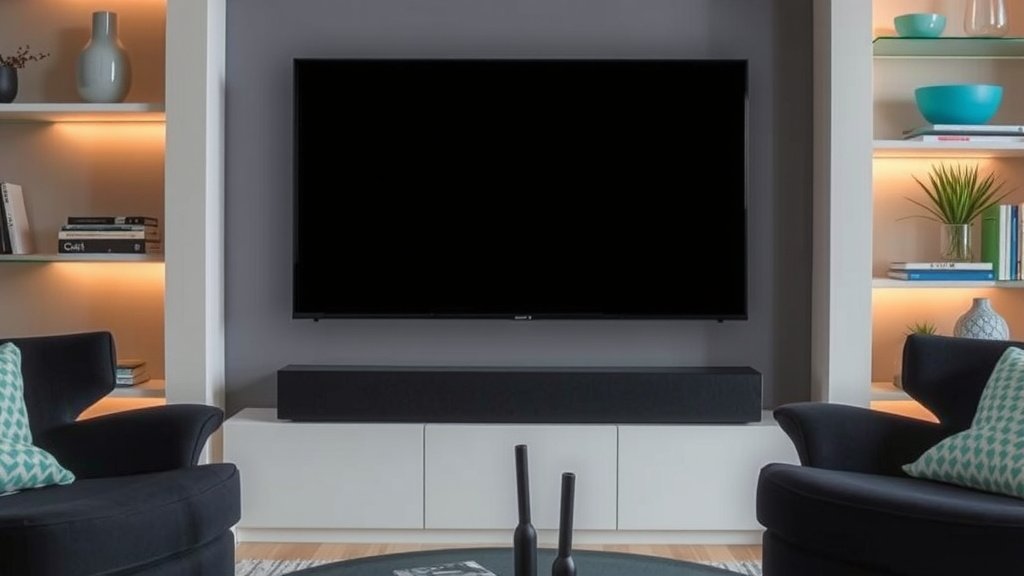
So, do you need a soundbar with your TV? The answer is usually yes, especially if you want to significantly improve your TV’s audio. Most built-in TV speakers are quite basic and can’t deliver the rich, immersive sound you’re looking for. A soundbar offers a simple upgrade that makes a big difference for movies, shows, and gaming.
While your TV has speakers, they are often small and don’t project sound well. This can leave dialogue muffled and sound effects flat. Adding a soundbar gives you a dedicated audio system designed for better sound quality. Many soundbars are surprisingly easy to set up, often requiring just one cable.
- Most TVs have weak built-in speakers.
- A soundbar provides much better audio.
- It makes dialogue clearer and sound more immersive.
- Setup is usually very straightforward.
- It’s a great upgrade for your home entertainment.
Let’s dive into why a soundbar might be the perfect addition to your home theater setup and what you should consider before buying one.
“`htmlWhen Do You Really Need a Soundbar for Your TV?
So, you’ve got a shiny new TV, but the sound feels a bit… flat? You might be wondering if a soundbar is truly necessary. The short answer is: most people benefit greatly from adding a soundbar, especially if you want a more engaging audio experience for movies, shows, or games.
Think of your TV’s built-in speakers like the tiny speakers in your smartphone. They get the job done for casual viewing, but they simply don’t have the size or power to produce rich, full sound. They often struggle with clarity, especially for dialogue, and lack the depth needed for immersive sound effects. A soundbar is designed to fix this directly.
You don’t need to be an audiophile to notice the difference. It’s about making your favorite content sound the way it was intended. We’ve found that the vast majority of users report a noticeable improvement after adding even a basic soundbar. It transforms the listening experience from functional to enjoyable.
Understanding Your TV’s Built-In Speakers
Your TV’s speakers are usually located on the back or bottom. This design often means the sound is directed away from you. They are small and lack space for larger drivers needed for bass or clear mid-range sounds. Many research studies point to this design as a primary limitation for TV audio (Consumer Reports).
Because of their size and placement, they can make dialogue hard to follow. You might find yourself constantly turning the volume up and down. This is especially frustrating during action scenes or quiet conversations. You’re missing out on the subtle audio cues that make content more compelling.
Many modern TVs are incredibly thin. This slim design leaves very little room for decent speakers. Manufacturers often prioritize picture quality and aesthetics over audio performance. This is a common trade-off, and it’s where a soundbar steps in to save the day.
The Soundbar Solution: Why It Works
A soundbar is essentially a long, slim speaker enclosure. It houses multiple speaker drivers. These drivers are specifically designed for clearer sound reproduction. They are much larger and more capable than those found in your TV. This allows for a wider frequency response, meaning better bass and crisper treble.
The elongated shape of a soundbar helps project sound directly towards your viewing area. This is a huge improvement over speakers firing downwards or backward. You get a more direct and immersive soundstage. It makes you feel like you’re part of the action, not just watching it.
Many soundbars also include virtual surround sound technology. This simulates a more enveloping audio experience without needing extra speakers. While it’s not true surround sound, it does a surprisingly good job of widening the soundstage and adding depth. This makes watching movies much more exciting.
Making Dialogue Crystal Clear
One of the most common complaints about TV audio is muffled dialogue. Soundbars often feature dedicated center channels or enhanced dialogue modes. These features isolate and boost the frequencies used for human speech. We found that this alone is a major selling point for many users.
You’ll notice the difference immediately. Actors’ voices will cut through background noise and music. You won’t have to strain to catch important plot points. It makes watching news broadcasts and dramas a much more pleasant experience.
This clarity is a direct result of better speaker components and advanced processing. It’s not just about volume; it’s about intelligibility. You can finally enjoy your shows without constantly adjusting the volume. It really improves the overall viewing comfort.
Enhancing Your Movie and Gaming Experience
Beyond clear dialogue, soundbars bring movies and games to life. Explosions feel more impactful. Music sounds richer and more dynamic. The subtle sound effects that build atmosphere are suddenly audible.
For gamers, this is especially important. The directional audio cues can give you a competitive edge. Hearing footsteps or distant gunfire clearly can make a big difference in reaction time. It creates a more immersive gaming environment.
We’ve seen that even entry-level soundbars can add a surprising amount of depth and breadth to your audio. It’s like going from black and white to color for your ears. The difference is truly night and day compared to basic TV speakers.
What to Consider When Buying a Soundbar
Not all soundbars are created equal. The good news is, you don’t have to spend a fortune to get a great upgrade. Think about your primary use cases. Are you mostly watching TV shows, movies, or playing games? This will help determine the features you need.
Size and Aesthetics
Soundbars come in various lengths and heights. Measure the space below your TV or where you plan to place it. You want a soundbar that fits aesthetically without blocking the screen. Many modern soundbars are designed to look sleek and minimalist.
Consider the color too. Most are black, but some come in white or silver to match different decor. Some soundbars also come with a wireless subwoofer for deeper bass. Think about where you’ll place that extra piece too.
Connectivity Options
How will you connect the soundbar to your TV? The most common and simplest connection is HDMI ARC (Audio Return Channel). This allows audio to travel both ways over a single HDMI cable. It’s usually the best option for ease of use and quality. Learn more about how HDMI ARC works to simplify your audio setup.
Other options include optical audio cables, which are also common and offer good quality. Some soundbars may also have analog connections, though these are less common now. Make sure the soundbar has the right ports for your TV and any other devices you might connect.
Features to Look For
Consider sound modes. Many soundbars offer modes for movies, music, or night listening. Virtual surround sound is a popular feature for creating a more immersive experience. Bluetooth connectivity is useful for streaming music from your phone or tablet.
A wireless subwoofer can significantly enhance bass response, making explosions and music more impactful. If you want a true home theater experience, look for soundbars that support Dolby Atmos or DTS:X for object-based audio. These are more advanced features, though.

Is a Soundbar Always Necessary?
While we strongly recommend a soundbar for most people, there are exceptions. Some higher-end TVs actually have surprisingly decent built-in audio systems. These are becoming rarer, but it’s worth checking reviews for your specific TV model.
If you are perfectly happy with your TV’s current sound quality, then a soundbar might be an unnecessary expense. However, research consistently shows that most TV speakers fall short of listener expectations. If you ever find yourself wishing for clearer dialogue or more engaging sound, you’ll likely benefit.
We found that many users underestimate how much better their audio can be. It’s not about having the loudest sound; it’s about clarity, depth, and immersion. A soundbar provides that balance without the complexity or cost of a full surround sound system.
Quick Checklist: Do You Need a Soundbar?
- Your TV dialogue is often hard to understand.
- You want movies and shows to sound more exciting.
- You’re a gamer who wants more immersive audio cues.
- Your TV is very thin and lacks space for good speakers.
- You’re looking for a simple audio upgrade without a full system.
- You want to hear subtle sound effects clearly.
| Connection Type | Pros | Cons |
|---|---|---|
| HDMI ARC | Single cable for audio & control, highest quality | Requires compatible ports on TV and soundbar |
| Optical Audio (Toslink) | Good audio quality, widely compatible | No control signal, can be more fragile |
| 3.5mm Analog (Aux) | Simple, widely available | Lower audio quality, no advanced features |
| Bluetooth | Wireless convenience, stream from devices | Slightly lower audio quality, potential for lag |
Conclusion
You’ve learned that for most people, a soundbar is a worthwhile upgrade over built-in TV speakers. Your TV’s slim design often means audio quality is an afterthought. A soundbar delivers clearer dialogue and more immersive sound without much fuss. Setting one up is usually simple, often just needing a single cable. If you’re looking to make your movies, shows, and games more engaging, adding a soundbar is a smart and achievable step. Consider your space and connection options, and you’ll find a soundbar that fits your needs and budget perfectly.
Frequently Asked Questions
How much do soundbars typically cost?
Soundbar prices can range widely, from under $100 for basic models to over $1000 for premium systems. You can often find a great balance of performance and price in the $150-$300 range, offering a noticeable improvement over TV speakers.
Can I connect a soundbar to any TV?
Most modern TVs have the necessary ports, like HDMI ARC or optical audio, to connect to a soundbar. Older TVs might have fewer options, but usually, there’s a compatible connection available. It’s always a good idea to check your TV’s ports before purchasing a soundbar.
Do I need a separate subwoofer for my soundbar?
Not all soundbars come with a subwoofer, and some don’t require one. A separate subwoofer adds deeper bass for movies and music, which can significantly enhance the experience. Many soundbars offer this as an optional add-on or include it in more advanced models.
Will a soundbar improve the volume of my TV?
While soundbars can often play louder than TV speakers, their primary benefit is sound quality, not just volume. You’ll likely find that dialogue is clearer at lower volumes, and the overall sound is richer and more defined, making it more enjoyable to listen to.
Is a soundbar better than a full surround sound system?
A soundbar is a more compact and simpler solution than a full surround sound system with multiple speakers. While a true surround system offers more immersive, room-filling audio, a good soundbar can provide a substantial upgrade and a more engaging experience for most viewers without the setup hassle.