Watch Local Channels Without Cable: Your 2026 Guide
Yes, you absolutely can watch local channels without cable. Many people are cutting the cord and finding that they can still access their favorite local news, sports, and shows using over-the-air (OTA) antennas. It’s a surprisingly simple and cost-effective solution.
This means you don’t have to pay monthly fees for channels you might not even watch.OTA antennas have gotten much better over the years. They can pick up high-definition broadcasts from local networks like ABC, CBS, NBC, and Fox. We found that setup is usually quite easy too.
- Yes, you can watch local channels without cable.
- Over-the-air (OTA) antennas are a popular solution.
- They offer free access to local news and networks.
- You can receive HD broadcasts with a good antenna.
We’ll walk you through how to get started with an antenna and other ways to enjoy your favorite local programming without a cable subscription.
Enjoying Local Channels Without a Cable Bill
So, you’re wondering if you can still catch your favorite local news, the big game, or that popular drama without a hefty cable subscription. The great news is, absolutely you can! It’s much easier and more affordable than you might think. You don’t have to miss out on what’s happening in your community or on your favorite network shows.
The Magic of Over-the-Air (OTA) Antennas
The primary way people watch local channels without cable is by using an **over-the-air (OTA) antenna**. Think of it like a modern-day version of the rabbit ears from your parents’ era, but much, much better. These antennas capture free broadcast signals that major networks like ABC, CBS, NBC, and Fox transmit.
How Do OTA Antennas Work?
These stations broadcast their programming over the airwaves, just like radio signals. Your antenna acts as a receiver, picking up these signals and sending them to your TV. When your TV is connected to the antenna and tuned to the right channel, you’ll see the broadcast.
What Kind of Signals Can You Get?
Most modern OTA antennas can receive **high-definition (HD) broadcasts**. This means you’re not sacrificing picture quality. You’ll get the same HD signal you would from a cable provider, but without the monthly fee. It’s a win-win!
Factors Affecting Reception
The number of channels you can receive, and the strength of their signal, depends on a few things. Your **geographic location** is a big one. Being closer to the broadcast towers generally means better reception. The **type of antenna** you use also matters. Some are designed for indoor use, while others are better suited for outdoor installation.
We found that even in areas with moderate signal strength, a good indoor antenna can often pick up dozens of channels. Obstructions like hills or large buildings can sometimes interfere. But for most people, it’s surprisingly effective.
Choosing the Right Antenna
There are several types of OTA antennas. You have basic indoor antennas, amplified indoor antennas, and outdoor antennas. For most urban and suburban dwellers, a good **indoor HD antenna** will do the trick. If you live further from broadcast towers, or have many obstructions, an amplified antenna might give you a stronger signal.
Outdoor antennas typically offer the best reception because they can be mounted higher up and away from household interference. We’ve seen reports from users who went from picking up 10 channels to over 50 by switching from an indoor to an outdoor antenna.
Indoor Antennas
These are convenient and can often be placed discreetly on a shelf or near a window. They’re simple to set up. Just plug them in and connect them to your TV. Some are flat, others look like small boxes. Many are designed to be aesthetically pleasing.
Outdoor Antennas
If you’re serious about getting the most channels, an outdoor antenna might be your best bet. They are generally more powerful and can capture weaker signals. Installation usually involves mounting it on your roof or a pole. This requires a bit more effort but can dramatically improve your channel selection.
Setting Up Your OTA Antenna
Getting started with an antenna is refreshingly simple. It’s not like the complicated installations of the past. You can usually be up and running in less than 30 minutes. Here’s a basic rundown:
- Unpack and connect: Connect your antenna to your TV using a coaxial cable.
- Position the antenna: For indoor antennas, place it near a window and experiment with different spots. For outdoor antennas, mount it securely.
- Scan for channels: On your TV’s menu, find the channel scan or auto-tune option. Your TV will then search for available broadcasts.
- Enjoy: Once the scan is complete, you can start watching!
Beyond Antennas: Other Ways to Watch Local Content
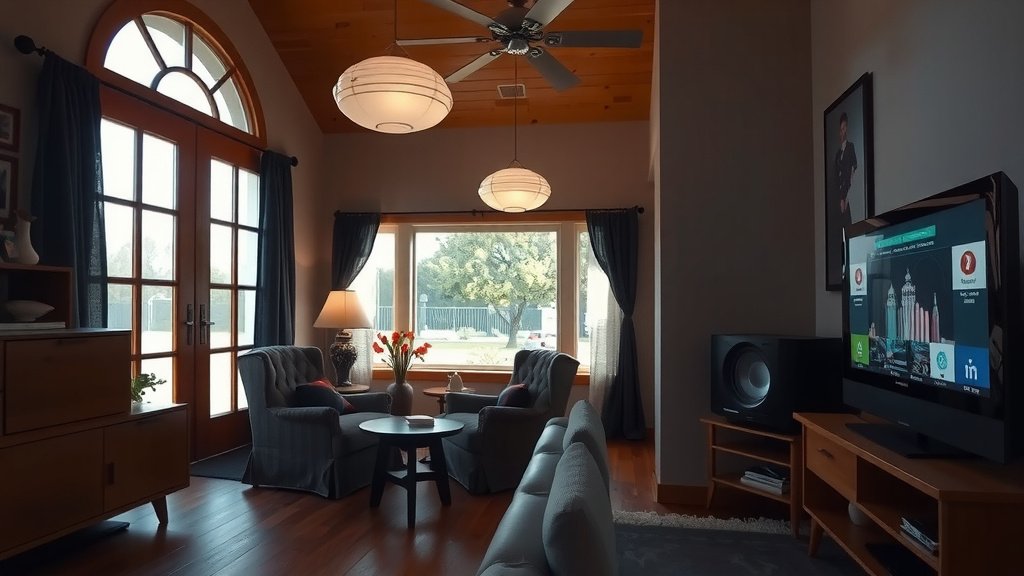
While OTA antennas are the most popular and cost-effective way to get local channels for free, there are other options if an antenna doesn’t quite meet your needs or if you want more flexibility.
Live TV Streaming Services
Services like YouTube TV, Hulu + Live TV, Sling TV, and FuboTV offer packages that include local channels in most markets. These services operate much like cable TV, but you stream them over the internet. They come with a **monthly subscription fee**, but they often provide a much wider array of channels than you’d get from an antenna alone.
These are great if you want the convenience of streaming and access to many cable channels as well. You can watch on various devices, from your smart TV to your phone. Many offer free trials, so you can test them out before committing.
Network Apps and Websites
Many local network affiliates and their national networks offer their own apps or websites. Some of these allow you to stream certain shows or even live programming for free, often with ads. You might need to verify your location or even provide your cable login (if you still have one for some reason) for full access.
Streaming Devices and Smart TVs
Your smart TV or streaming device (like a Roku, Fire Stick, or Apple TV) can be used to access these streaming services and network apps. They are the gateways to modern cord-cutting. You can often download apps directly onto these devices. Some even have built-in tuners that can work with antennas.
Is an OTA Antenna Right for You? A Quick Checklist
To help you decide if an OTA antenna is your next step, consider these points:
- Do you primarily want to watch major network channels (ABC, CBS, NBC, Fox, PBS)?
- Are you looking for a one-time purchase with no monthly fees for local channels?
- Is your home within a reasonable distance of local broadcast towers?
- Are you comfortable with a simple setup involving connecting a device to your TV?
- Do you want to supplement a streaming service with free local news and sports?
If you answered yes to most of these, an antenna is likely a fantastic solution for you.
Conclusion
You’ve learned that watching local channels without cable is absolutely achievable. The trusty OTA antenna stands out as a simple, budget-friendly solution for accessing free, high-definition local broadcasts. While live TV streaming services offer another avenue with a monthly fee, antennas provide a one-time purchase for continuous access to your community’s news and favorite network shows. Don’t let a cable bill dictate your access to local programming any longer. Your next step is to check your location’s signal strength and choose an antenna that fits your needs to start enjoying free TV today!
Frequently Asked Questions
How do I know if I can get local channels with an antenna?
You can check online resources like the FCC’s DTV Reception Maps or dedicated antenna websites. These tools use your location to estimate which channels you can receive with an antenna. They’ll give you a good idea of the signal strength in your area.
Will I need to pay for an antenna?
No, once you purchase an antenna, the local channels it receives are completely free. There are no monthly fees associated with over-the-air broadcasts. It’s a one-time purchase for ongoing access.
Can I use a streaming stick like Roku to watch local channels?
Yes, streaming devices like Roku, Fire Stick, and Apple TV are essential for cord-cutting. You can use them to access live TV streaming services that carry local channels or to stream directly from network apps. Some smart TVs also have built-in tuners that work with antennas.
What’s the difference between indoor and outdoor antennas?
Indoor antennas are convenient and easy to set up around your home, often near a window. Outdoor antennas are typically more powerful and can be mounted higher up, often on a roof, providing better reception for weaker signals or in areas with more obstructions.
Do I need a special TV to use an antenna?
Most modern televisions manufactured after 2007 have a built-in digital tuner, which is required to receive over-the-air (OTA) broadcasts. You just need to connect the antenna via a coaxial cable and scan for channels through your TV’s menu.