Frame TV vs Regular TV Which Is Right For You
When comparing a Frame TV vs. a regular TV, the Frame TV wins if your priority is home decor and aesthetics. While both show pictures, a Frame TV is designed to look like a piece of art when not in use, blending into your room much better than a standard black screen.
Think of a Frame TV as a TV that moonlights as a picture frame. It’s a smart choice if you want your television to enhance your living space rather than just being a black rectangle. Regular TVs are built purely for performance, but the Frame TV balances picture quality with artistic flair.
- Frame TV looks like art when off.
- Regular TVs focus only on viewing performance.
- Frame TV is better for home decor.
- Regular TV offers more raw picture power for the price.
Let’s break down the key differences so you can decide which type of TV is the perfect fit for your home and your viewing habits.
“`htmlFrame TV vs. Regular TV: What’s the Real Difference?
Choosing between a Frame TV and a regular TV can feel like a big decision. You want something that looks great but also delivers a fantastic viewing experience. We’ve found that the main difference really boils down to purpose and design.
Regular TVs are built with performance as the top priority. They aim to give you the best picture possible for movies, sports, and gaming. A Frame TV, on the other hand, is designed to be a piece of functional art. It blends into your home decor when you’re not actively watching something. Let’s dig into the specifics.
The Aesthetic Appeal: Art vs. Black Box
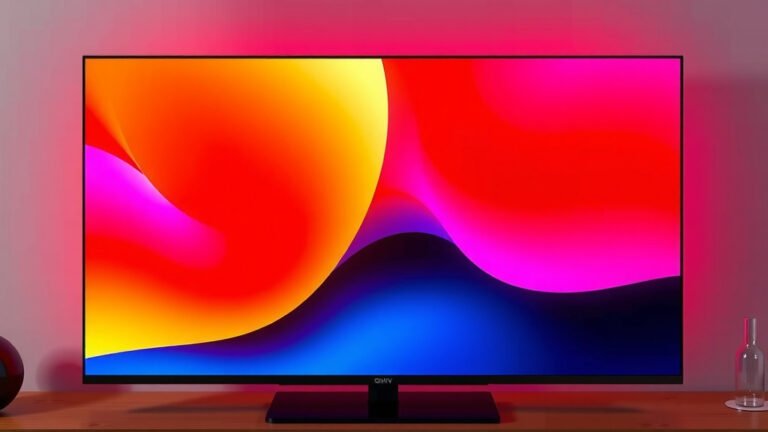
This is where the Frame TV truly shines. When it’s turned off, it doesn’t look like a TV at all. It displays artwork or your own photos, making it a beautiful centerpiece in your room. You can even buy custom frames to match your interior design. This transforms a mundane electronic device into a decorative element.
How the Frame TV Achieves Its Look
Samsung’s Frame TV uses a special screen technology. It can adjust brightness and color to mimic the look of a matte paper print. This reduces glare and reflections, making the displayed art look much more realistic. It’s like having a digital art gallery on your wall.
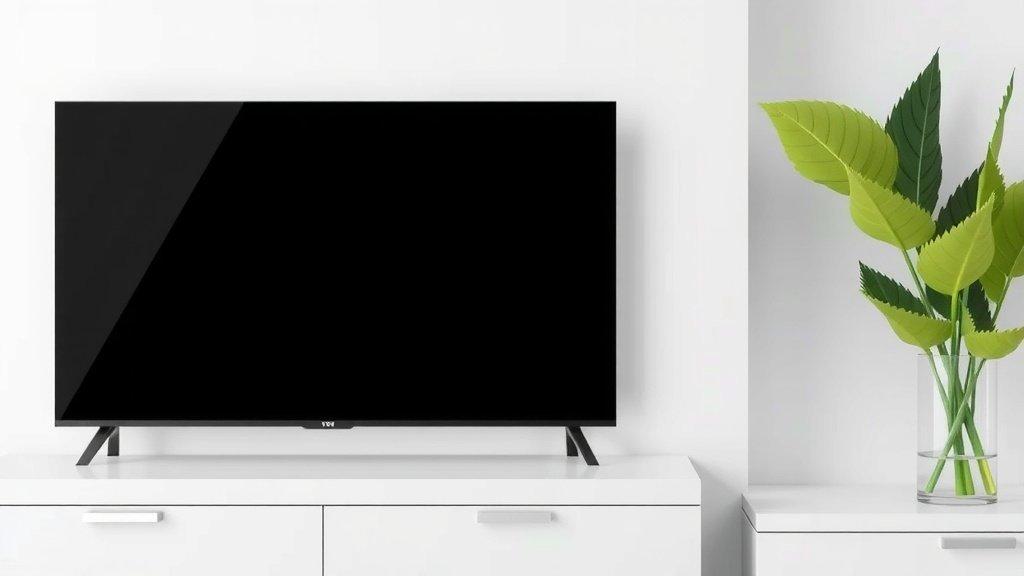
Think about it: a regular TV is a big, black rectangle when it’s off. It can often dominate a room’s aesthetic in a way you might not want. The Frame TV aims to solve this problem. It makes your TV disappear when you’re not using it, becoming part of the decor instead.
Regular TV Design: Pure Functionality
Standard TVs are built for one thing: viewing pleasure. Their designs focus on thin bezels and sleek profiles to maximize screen size. But at the end of the day, they are still designed to look like electronics. They don’t offer the same artistic integration as a Frame TV.
Picture Quality and Performance
When it comes to raw performance, both types of TVs can offer incredible picture quality. However, the approach and the price point can differ. It’s important to understand what you’re getting for your money.
Frame TV’s Visuals: Balanced and Beautiful
Frame TVs typically use QLED technology. This means they offer vibrant colors and good contrast. They are great for watching movies and general TV viewing. Samsung has put a lot of effort into making the art mode look as realistic as possible. Many users find the picture quality to be very pleasing for everyday use.
However, when you’re comparing Frame TVs to similarly priced regular TVs, you might find that the regular TV pulls ahead in certain areas. Frame TVs prioritize the art mode experience. This can mean that some high-end performance features might be less pronounced to keep the overall cost and design in check.
Regular TV’s Visuals: Maximum Impact for Your Buck
Regular TVs, especially those in the same price bracket as Frame TVs, often boast more advanced picture technologies. You might find features like superior local dimming for deeper blacks, higher refresh rates for smoother motion, and broader color gamuts for more realistic imagery. These are crucial for cinephiles and serious gamers.
Many experts suggest that if your absolute top priority is the best possible picture for movies, sports, or gaming, a regular TV will likely give you more bang for your buck. You’re paying for the technology that drives the best possible visual output. For example, we found that 4K HDR performance is often more refined on premium regular TVs.
Smart Features and User Experience
Both Frame TVs and most regular TVs today are smart TVs. This means they come with built-in apps and connectivity options. You’ll likely find similar operating systems and app stores on both.
The Art Store and Customization
The Frame TV’s unique selling point is its Art Store. This platform offers a vast collection of curated artworks from renowned galleries and artists worldwide. You can subscribe for access to thousands of pieces. This allows you to change the look of your room as often as you like.
You can also upload your own photos or family memories. This makes your TV a truly personalized display. The built-in ambient light sensors adjust the screen’s brightness and color temperature to match the lighting in your room. This ensures the art always looks natural, whether it’s day or night.
Connectivity and Everyday Use
Both types of TVs offer Wi-Fi, Bluetooth, and multiple HDMI ports. You’ll be able to connect your gaming consoles, soundbars, and other devices just as you would with any standard smart TV. The user interfaces are generally intuitive on both.
Installation and Setup
Setting up a TV should be straightforward. Both options offer common installation methods, but the Frame TV has a unique advantage for wall mounting.
The “No Gap” Wall Mount
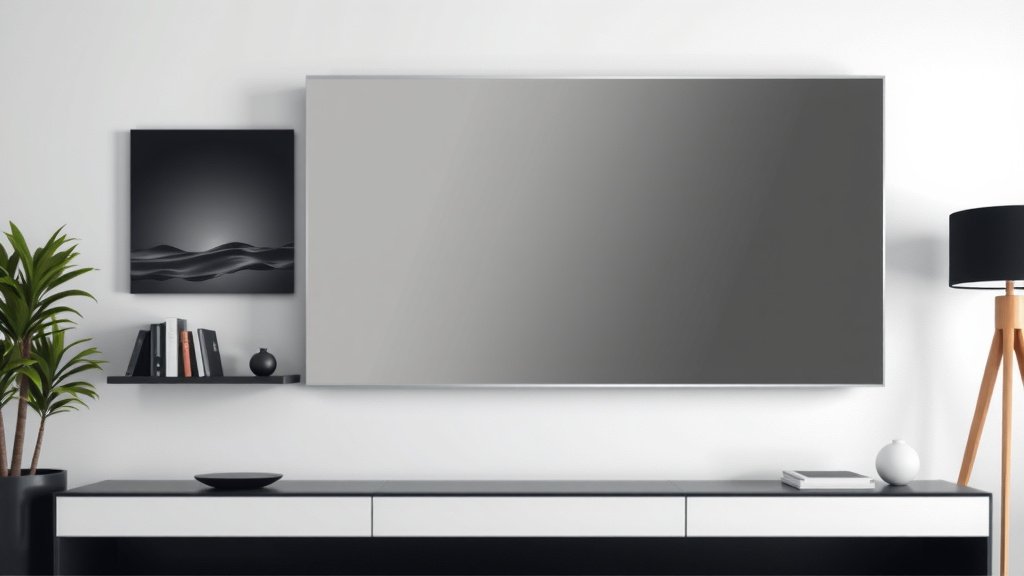
Samsung provides a special “No Gap” Wall Mount with the Frame TV. This allows the TV to sit flush against your wall, just like a framed picture would. It makes cable management easier and gives that truly integrated look. You can often hide wires in the wall or through a single, clear cable that connects to an external One Connect box.
Standard Mounting and Placement
Regular TVs can also be wall-mounted, but achieving that perfectly flush look might require purchasing a specific mount or professional installation. Most regular TVs come with a standard stand for placement on a TV console. They don’t typically offer the same level of aesthetic integration when mounted as the Frame TV.
Cost Comparison: What’s Your Budget Telling You?
Let’s talk brass tacks: cost. This is often a deciding factor for many people.
Generally, for the same screen size and basic features, a Frame TV will be more expensive than a comparable regular TV. You are paying a premium for the art display functionality and the specialized design. If your budget is tight, a regular TV will likely offer more screen real estate or advanced picture features for the same price.
However, if you factor in the cost of buying art prints or custom framing for a regular TV, the Frame TV might start to look more appealing. It consolidates the TV and the art into one package. It’s an investment in both your entertainment and your home’s aesthetic.
Quick Checklist: Which TV is Right for You?
Still on the fence? Ask yourself these quick questions:
- Do you want your TV to be a piece of decor when it’s off?
- Is blending technology with your home’s style a high priority?
- Are you willing to pay a bit more for a TV that doubles as art?
- Is top-tier, uncompromised picture performance for intense gaming or cinema the absolute main goal?
- Do you want the easiest, most seamless way to mount a TV flat against the wall?
- Is budget the primary driver, seeking the most screen for the least money?
Conclusion
So, when you’re weighing a Frame TV against a regular TV, remember what matters most to you. If your home’s style and creating a beautiful, artful space are top priorities, the Frame TV is a fantastic choice. It truly transforms your television into a decor element. If maximizing pure picture performance and getting the most advanced tech for your budget are your main goals, a standard TV likely offers more raw power. Consider your priorities and budget to make the best decision for your home entertainment setup. Your perfect TV is out there!
Frequently Asked Questions
Can I use my own photos on a Frame TV?
Absolutely! The Frame TV allows you to upload your own personal photos and artwork. This feature lets you customize the display to match your mood or special occasions. It’s a great way to personalize your space and relive memories.
Is the Frame TV’s picture quality good for watching movies?
Yes, Frame TVs offer good picture quality with vibrant colors thanks to their QLED technology. While they prioritize art mode, they are still excellent for everyday movie watching and general TV viewing. For a cinematic purist, a high-end regular TV might offer slightly better motion handling or contrast ratios.
Does a Frame TV require special installation?
The Frame TV comes with a special “No Gap” Wall Mount designed for a flush, picture-like installation. While you can mount regular TVs, this specific mount offers the most integrated look. You can also place it on a stand like a typical TV.
How much more expensive is a Frame TV compared to a regular TV?
Generally, a Frame TV comes with a higher price tag than a regular TV of the same size and with similar basic smart features. You are paying a premium for the art display functionality and its unique design elements. Research specific models for exact price differences.
Will a Frame TV look like a real painting?
The Frame TV is designed to mimic the look of a framed print with its matte display and adjustable settings. It reduces glare and can adjust brightness to match ambient room light, making displayed art appear more realistic. It’s remarkably convincing for a digital display.