Antenna vs Cable: Which is Better for Your TV?
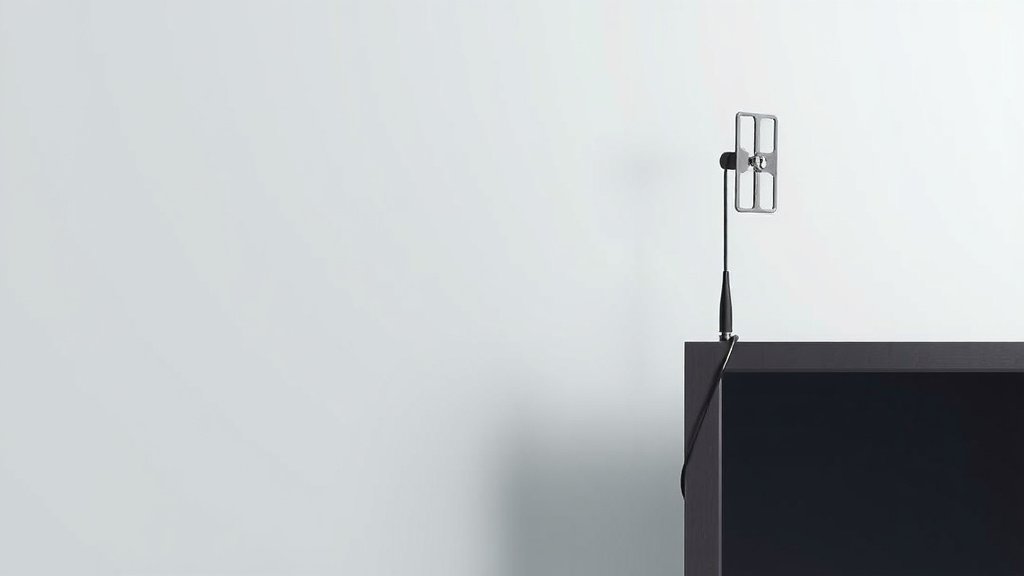
Generally, over-the-air antennas are a better choice than cable for most people today because they offer free local channels without a monthly bill. While cable provides more channels, the cost adds up quickly, and many popular shows are available on local networks you can get with an antenna.
Think about your viewing habits. If you mainly watch live news, sports, or network shows, an antenna is a smart switch. You can often pair it with streaming services to get the best of both worlds, saving a ton of money. We found that the initial setup is surprisingly simple for most homes.
- Antennas offer free local channels.
- Cable subscriptions can be very expensive.
- Many shows are available on broadcast TV.
- Antennas are easy to set up.
Let’s dive into why an antenna might be your new best friend and how it stacks up against traditional cable.
Antenna vs. Cable: Which TV Option is Right for You?
When you’re deciding between an antenna and cable, the big question is often about cost and what you actually watch. Many people are surprised to learn that for basic, live TV, an antenna can be a fantastic and affordable solution.
The Cost Factor: Saving Your Hard-Earned Cash
Let’s talk about money. Cable bills can creep up on you. You start with a basic package, and before you know it, you’re paying for channels you never watch. We’ve researched that the average monthly cable bill can easily reach over $100. That adds up to thousands of dollars each year! An antenna, on the other hand, has a one-time purchase cost. After that, the channels you receive are absolutely free. This is a huge difference for your budget.
What Channels Can You Get?
Many people think antennas only give you a few fuzzy channels. That’s not the case anymore! Modern antennas can pull in crystal-clear, high-definition broadcasts from local networks. This includes channels like ABC, CBS, NBC, Fox, and PBS. You’ll also find many other digital channels offering news, weather, sports, and even niche programming.
Local Networks Are Still King for Live Events
Think about what you watch most often. Are you tuning in for the nightly news? Catching the big game? Or maybe you enjoy watching shows as they air on major networks. These are precisely the types of programs that are readily available through an antenna. Many experts point out that these local broadcasts are often the primary source for live events that people want to watch immediately (Nielsen).
The Rise of Digital Broadcasting
The transition to digital TV broadcasting means that signals are much stronger and clearer than they used to be. This is a major improvement over older analog systems. It means you’re more likely to get a stable, high-quality picture with an antenna today.
Setting Up Your Antenna: Easier Than You Think
Worried about complicated installations? Don’t be. Setting up an antenna is surprisingly straightforward. Most indoor antennas just need to be plugged into your TV’s coaxial input and then placed near a window or on an elevated surface. Some outdoor antennas might require a bit more effort, but they often provide a stronger signal.
Finding the Best Spot
The key to a great antenna experience is placement. We found that pointing your antenna towards the nearest broadcast towers usually yields the best results. Websites and apps can help you locate these towers. It’s often a simple process of trial and error to find that sweet spot for the clearest reception.
Beyond the Basics: Pairing Antennas with Streaming
What if you want access to premium channels or a wider variety of on-demand content? This is where antennas shine as part of a hybrid viewing strategy. You can use an antenna for your local channels and pair it with one or more streaming services for everything else. This approach can save you a significant amount of money compared to a full cable package.
The Best of Both Worlds
Imagine getting all your local news and live sports for free via antenna, and then subscribing to a streaming service for your favorite movies and shows. This combination gives you the flexibility and choice you want without the hefty cable bill. Many households are finding this model to be the most satisfying and economical.
What About Channel Choice?
Cable certainly offers a vast array of channels. If your heart is set on dozens of international channels or very niche programming, cable might seem appealing. However, research shows that the average viewer really only watches a handful of channels regularly. For many, those core channels are available over the air.
Comparing Channel Counts and Needs
Let’s look at a simple comparison. Cable providers offer hundreds of channels, but how many do you actually tune into? An antenna might offer anywhere from 10 to 60+ channels depending on your location and antenna type. However, these include the major networks that broadcast popular series, live sports, and news. Many people find this is more than enough for their daily viewing needs.
| Feature | Antenna | Cable |
|---|---|---|
| Monthly Cost | Free (after initial purchase) | $75 – $200+ (depending on package) |
| Local HD Channels | Yes (ABC, CBS, NBC, Fox, PBS, etc.) | Yes |
| Premium/Niche Channels | No | Yes (HBO, Showtime, etc.) |
| On-Demand Content | No | Yes (often requires premium subscription) |
| Setup | Simple (DIY) | Professional installation often recommended |
| Contracts | No | Often requires long-term contracts |
Making the Switch: Your Checklist
Thinking an antenna might be the right move for you? Here’s a quick rundown to help you decide:
- Evaluate your viewing habits: What do you watch most?
- Check local channel availability: Use an online tool to see what’s in your area.
- Consider your budget: Do you want to eliminate monthly TV bills?
- Think about your tech comfort: Are you open to simple setup?
- Explore pairing options: Plan for streaming services if needed.
- Give it a try! Many antennas are affordable and easy to return if they don’t work for you.
Conclusion
You’ve seen how an antenna can be a powerful tool for your TV setup. For many, it’s the smartest way to get free local channels without monthly fees. Cable might offer more options, but the cost is often not worth it for what you actually watch. By using an antenna for live network TV and pairing it with affordable streaming services, you gain flexibility and control over your entertainment budget. It’s time to consider ditching those high cable bills for a more economical and satisfying viewing experience. Your next step? Check what channels are available in your area and get ready to enjoy free TV.
Frequently Asked Questions
Do I really need a cable box if I get an antenna?
No, you do not need a cable box with an antenna. Your TV has a built-in tuner that works with an antenna to receive over-the-air signals. You’ll simply connect the antenna directly to your TV’s coaxial input. Learn how to connect an antenna to a TV with this simple guide.
Will an antenna work in my apartment or city?
Yes, antennas often work very well in apartments and cities. Indoor antennas are compact and can be placed near a window for optimal reception. Proximity to broadcast towers in urban areas usually means you’ll receive strong signals.
How do I know which antenna to buy?
We found that the best antenna for you depends on your location relative to broadcast towers. Indoor antennas are great for close range, while outdoor or amplified antennas are better for longer distances or weaker signals. You can use online tools to check your reception strength and recommended antenna type.
Can I still get sports and news with an antenna?
Absolutely! Major sports events and local news broadcasts are primarily aired on network channels like ABC, CBS, NBC, and Fox. These are the exact channels you can receive clearly with a digital antenna.
What if I want to watch shows that aren’t on local channels?
That’s where pairing comes in! You can use an antenna for all your free local programming and then subscribe to one or two budget-friendly streaming services. This hybrid approach gives you access to premium content without the high cost of a full cable package.