Wall Mount vs TV Stand: Which Is Right For Your Home
Choosing between a wall mount and a TV stand depends on your space and style. Wall mounting offers a sleek, modern look and saves floor space, but requires careful installation. A TV stand provides easier setup and extra storage, though it takes up more room.
Both options have their pros and cons for your home entertainment setup. Think about factors like your room size, how you use your TV, and your overall decor. We found that the best choice truly depends on your personal needs and desired aesthetic.
- Wall mounting saves space and looks modern.
- TV stands offer easy setup and storage.
- Consider your room size and style.
- Installation is key for wall mounts.
- Stands are simpler but take up floor space.
Let’s break down the differences between wall mounting your TV and using a TV stand so you can make the best decision for your living room.
“`htmlMounting Your TV: Stand or Wall?
Deciding between a TV stand and a wall mount involves looking at your living space and how you want your entertainment area to feel. Both have distinct advantages. We’ve researched this to help you make the best choice for your home.
The Case for the TV Stand: Familiar and Functional
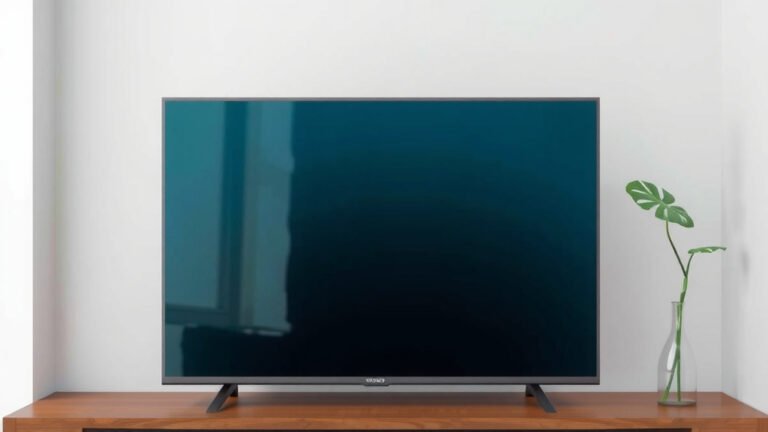
A TV stand is the traditional choice for many households. It’s a piece of furniture designed specifically to hold your television and related components. Think of it as the reliable workhorse of your entertainment setup.
Space and Placement Flexibility
TV stands offer a lot of freedom in where you can place your TV. You’re not tied to a specific wall. This makes them ideal for rooms where wall mounting might not be feasible or desirable. You can easily move the stand to rearrange your furniture. This flexibility is a big plus for many.
Built-in Storage Solutions
One of the biggest draws of a TV stand is the **storage space** it provides. Many stands come with shelves, drawers, or cabinets. These are perfect for stashing away gaming consoles, soundbars, streaming devices, and even DVDs or Blu-rays. Keeping your electronics tidy can make a huge difference in your room’s appearance.
We found that good storage can significantly reduce clutter. This helps create a more organized and visually appealing living area. Many homeowners appreciate having a dedicated spot for all their media accessories.
Easy Setup and Access
Setting up a TV stand is generally straightforward. You typically assemble the stand, place your TV on top, and connect your devices. Accessing the back of your TV for cable management or swapping out devices is also usually simpler. This makes them a great option if you’re not very handy.
Considerations for TV Stands
The primary downside is the floor space they occupy. A larger TV stand can become a significant piece of furniture in your room. This might not be ideal for smaller living spaces. Also, the stability can be a concern with very heavy or large TVs if the stand isn’t sturdy enough. Always check the weight capacity.
The Appeal of a Wall Mount: Sleek and Space-Saving
Wall mounting your TV gives your room a clean, modern aesthetic. It makes the TV appear as if it’s floating on the wall. This can completely change the feel of your entertainment area. It’s a popular choice for those seeking a minimalist design.
Maximizing Floor Space
The most significant advantage of wall mounting is **saving floor space**. By getting the TV off a stand and onto the wall, you free up valuable real estate. This is especially beneficial in smaller apartments or rooms where you want to maximize open areas. It can make a room feel much larger.
We observed that homes with wall-mounted TVs often have a more open and airy feel. It’s like decluttering your floor without removing anything visible. This can be a game-changer for creating a more functional space.
Enhanced Viewing Angles
Depending on the type of mount you choose, you can achieve better viewing angles. Some mounts allow you to tilt, swivel, or extend the TV away from the wall. This means you can often position the screen perfectly, no matter where you’re sitting. This is great for L-shaped living rooms or if you have multiple seating areas.
Many experts suggest adjustable mounts can improve the viewing experience significantly (Consumer Reports). Being able to direct the screen towards your primary seating area is a real advantage.
Installation and Safety Concerns
This is where wall mounting requires careful consideration. Installation can be more involved than setting up a TV stand. You need to ensure you’re mounting into wall studs or using appropriate heavy-duty anchors for drywall. Incorrect installation can lead to a fallen TV, which is dangerous and costly.
We found that many people hire a professional installer for peace of mind. If you decide to DIY, thoroughly read the mount’s instructions and your TV’s manual. Confirming the wall type and stud locations is essential for safety.
Many safety guidelines stress the importance of proper mounting hardware (U.S. Consumer Product Safety Commission). Using the wrong screws or anchors is a common mistake that can have serious consequences.
Aesthetics and Cable Management
Wall mounting offers a very sleek look. However, managing the cables can be a challenge. Visible wires can detract from the clean aesthetic. Many mounting kits include cable management solutions like raceways or covers. You can also run cables inside the wall for a truly seamless look, but this is a more advanced installation task.
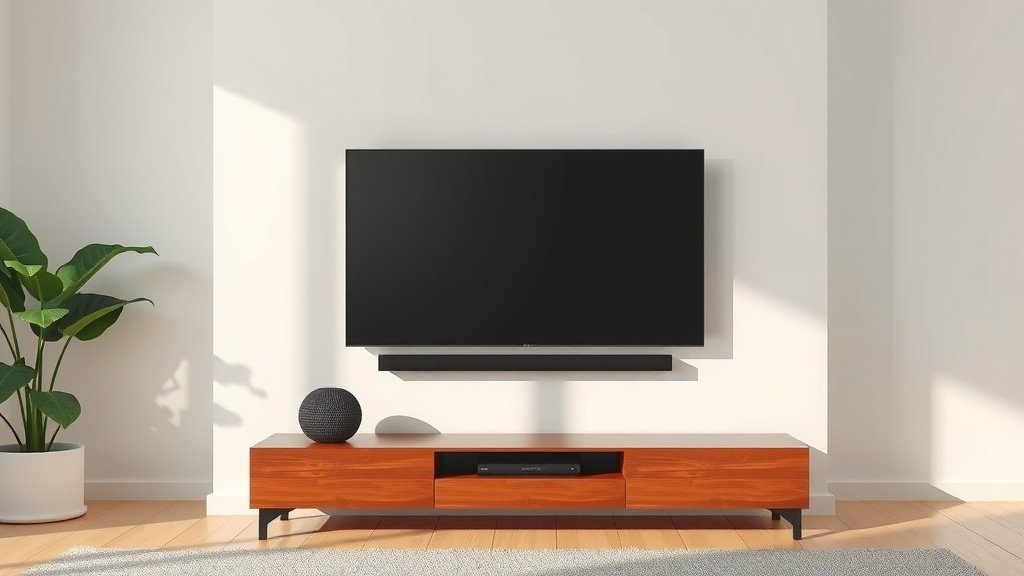
Comparing the Two: Key Factors to Consider
Let’s look at a side-by-side comparison to help you weigh your options. This should clarify which might be the better fit for your specific situation.
| Feature | TV Stand | Wall Mount |
|---|---|---|
| Space Saving | Takes up floor space | Maximizes floor space |
| Installation | Generally easy, minimal tools | Can be complex, requires precision |
| Storage | Often includes shelves/cabinets | Requires separate storage solutions |
| Aesthetics | Traditional, can vary widely | Sleek, modern, minimalist |
| Cost | Varies widely, from budget to high-end | Mount cost plus potential installation fees |
| Flexibility | Easy to move and rearrange | Fixed location once installed |
Your Room Size Matters
For small rooms, a wall mount often wins because it preserves floor space. If you have a larger room, a TV stand can serve as a central piece of furniture. It can even help define your entertainment zone.
Your TV Habits and Needs
Do you frequently move your TV or connect different gaming consoles? A stand might offer easier access. If you enjoy a cinematic, minimalist look and don’t plan on moving things often, wall mounting is a strong contender.
Budget and Installation Skill
Consider the total cost. A stand might be cheaper upfront than a quality mount plus professional installation. If you’re confident in your DIY skills, a wall mount can be cost-effective. But always factor in the risk of error.
Making Your Final Decision: A Quick Checklist
To help you decide, run through this quick checklist:
- Measure your available wall space and floor space.
- Determine how much storage you actually need for accessories.
- Assess your comfort level with DIY installation or your budget for a pro.
- Think about the overall style you want for your room.
- Consider the weight and size of your TV.
- Will you need to reposition the TV or furniture often?
By answering these questions, you’ll be much closer to choosing the perfect solution for your home. Both wall mounts and TV stands can create a fantastic viewing experience.
“`Conclusion
Deciding between a TV stand and a wall mount boils down to your specific needs and style. A TV stand offers convenience, storage, and placement flexibility, making it a familiar and functional choice. On the other hand, a wall mount provides a sleek, modern look and frees up floor space, ideal for minimalist aesthetics and smaller rooms. We found that proper installation is key for mounts, while stands are generally easier to set up. Consider your room size, storage needs, and DIY confidence. Your final choice will enhance your viewing experience and complement your home’s decor.
Frequently Asked Questions
Can I wall mount a TV if I rent my apartment?
Often, yes, but check your lease agreement. Many landlords allow mounting if you repair any holes before moving out. Ensure you use appropriate anchors for drywall and can locate wall studs for secure mounting.
Which option is better for cable management?
Wall mounting can offer superior cable management for a cleaner look. You can often hide cables within the wall or use decorative raceways. TV stands usually require more effort to manage visible wires coming from components.
What’s the easiest setup for a beginner?
A TV stand is generally the easiest to set up for beginners. You typically just assemble the unit and place the TV on top. Wall mounting requires tools, finding studs, and careful measuring, which can be more intimidating.
Can a wall mount be adjusted for better viewing angles?
Yes, many wall mounts offer adjustability. You can find tilting mounts to reduce glare, or full-motion mounts that swivel and extend. This allows you to direct the screen towards your seating area from various positions.
Do TV stands have weight limits I need to consider?
Absolutely. Every TV stand has a maximum weight capacity. Always check this specification before placing your TV on it, especially for larger or heavier models, to ensure stability and safety.